
Lieferung heute & morgen

Qualitätsgarantie

Willkommens-Angebote freischalten: KOSTENLOSE Lieferung | Bis zu 80 % RABATT | Kostenlose 30-Tage-JoyPlus-Testphase
App herunterladen
Choosing the right children's shoes can be a challenge. The market is filled with tempting designs and marketing promises, but not every shoe that looks good is good for your child's feet. As a Joybuy Product Recommendation Officer, I see the mistakes made in shoe purchasing every day and know how they can be avoided. Improperly chosen footwear isn't just uncomfortable; it can also hinder the healthy development of their feet.
This guide focuses on the facts and helps you navigate three common purchasing pitfalls, enabling you to make an informed decision for durable and well-fitting shoes.
A colourful design or a child's favourite cartoon character are often the primary reasons for a purchase. However, many of these visually appealing shoes are made from low-quality materials that wear out quickly, offer no breathability, and provide little support. The result is often sweaty feet, rapid wear and tear, and a lack of comfort.
To save money, parents are often tempted to buy shoes several sizes too large. This is problematic. Shoes that are too big offer no secure support, increase the risk of tripping, and can lead to an unnatural gait as the child tries to keep the shoes on their feet. A proper fit is essential for safety and healthy foot development.
The sole is the foundation of the shoe, yet it's often overlooked. A sole that is too stiff impedes the foot's natural rolling motion. A sole that is too thin or soft offers inadequate protection from sharp objects. A smooth tread is particularly critical: non-slip sandals and trainers are not a luxury, but a necessity to prevent accidents on wet or slippery surfaces.
To avoid these pitfalls, you should focus on three objective criteria. These will help you assess a shoe's quality, independent of advertising claims.
The material determines durability, maintenance, and comfort.
The sole must offer a balance of flexibility, cushioning, and grip.
Don't rely on age recommendations or old shoe sizes. Children's feet grow in spurts. The most reliable method is:
Here are some models that are well-suited for specific needs based on their material and construction properties.
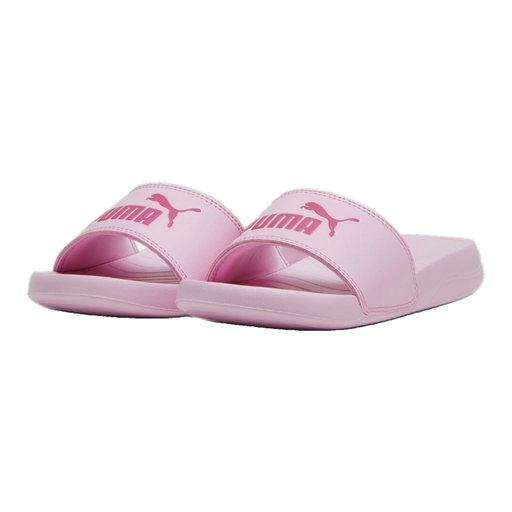
Why it's a great fit: Ideal for children who need a practical shoe for the garden, the pool, or quick outdoor use. The design is focused on functionality and durability.
This model avoids the "design trap" by relying on a proven, functional design with high-quality synthetic materials. The EVA sole provides cushioning that is often missing in cheap plastic shoes.
The 100% synthetic upper is water-repellent and extremely easy to clean—simply wipe with a damp cloth. The sole is lightweight and flexible.
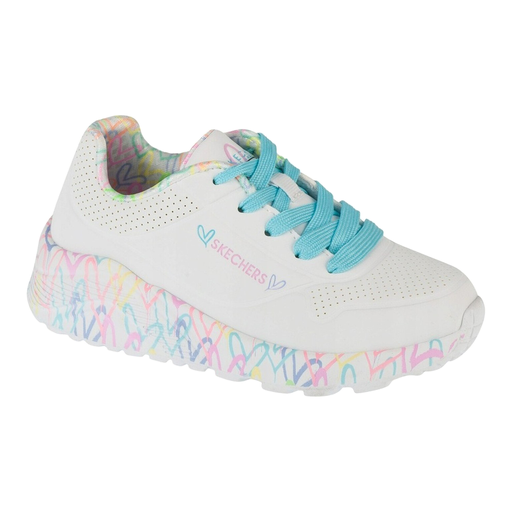
Why it's a great fit: This girls' trainer combines a fashionable, clean design with Skechers' signature focus on comfort. It's versatile enough for school and leisure activities.
It avoids the "sole ignorance" pitfall by focusing its construction on a cushioned insole and a flexible outsole. Here, comfort is given equal importance to the design.
The faux leather ("eco-leather") upper is durable and easy to clean, which is a key advantage in everyday life with children.
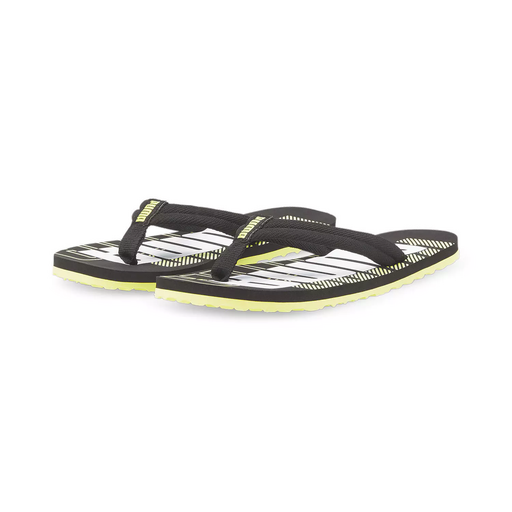
Why it's a great fit: These sandals are specifically designed for comfort and safe play. They are suitable for older children and teenagers who are active in the summer and need a reliable shoe.
This model directly addresses the "sole ignorance" pitfall. According to the manufacturer, it features a non-slip outsole structure with a special traction pattern for enhanced grip.
The combination of a soft, contoured EVA footbed and a lightweight CMEVA midsole provides dual-layer cushioning and superior comfort during active use.
We have compiled a complete, up-to-date list of products that meet these strict selection criteria and safety requirements.
For toddlers (up to 3 years), it is recommended to measure their feet every two to three months. For older children (4-10 years), a check every four to six months is usually sufficient. Since growth spurts are unpredictable, it's wise to check regularly that the shoe still offers at least one centimetre of space at the front.
EVA stands for Ethylene Vinyl Acetate, a plastic-based foam. It is extremely lightweight, very flexible, and has excellent cushioning properties. These features make it an ideal material for the midsoles and outsoles of comfortable casual shoes and summer shoes for kids, as it effectively absorbs shock from running and jumping, enhancing overall comfort.
Yes, modern synthetic materials are well-suited for children's shoes. High-quality synthetics are often more durable and easier to care for than natural materials. They can be engineered for specific functions, such as water resistance in kids' water slides or abrasion resistance in Puma kids' shoes for sports. It is important to consider the overall construction of the shoe, including a breathable lining, to ensure a comfortable foot climate.