
Lieferung heute & morgen

Qualitätsgarantie

Willkommens-Angebote freischalten: KOSTENLOSE Lieferung | Bis zu 80 % RABATT | Kostenlose 30-Tage-JoyPlus-Testphase
App herunterladen
Choosing a helmet for a child can be more complex than it first appears. The market offers a vast array of models, ranging from highly specialised protective gear to mere toy helmets. This variety often leads to confusion and potential buying mistakes. As your Joybuy Product Recommendation Officer, I'm here to help you understand the crucial differences and make an informed choice.
Before we dive into the details, let's look at two common mistakes that often lead to unsuitable purchases:
To avoid these mistakes, you should check three core parameters. These will help you separate the wheat from the chaff and find a product that meets your child's needs.
A genuine protective helmet must be certified. For bicycle, skateboard, and roller skate helmets in Europe, the EN 1078 norm is the governing standard. This standard ensures that the helmet has passed impact absorption tests and meets basic requirements for field of vision, the retention system, and construction.
The correct size is non-negotiable. Measure your child's head circumference with a flexible measuring tape, about one centimetre above the eyebrows and ears. Compare this measurement with the manufacturer's size chart.
Look for the following features for a precise fit:
The intended purpose determines the type of helmet:
Based on these criteria, we have put together a selection of products that cover different needs and age groups.
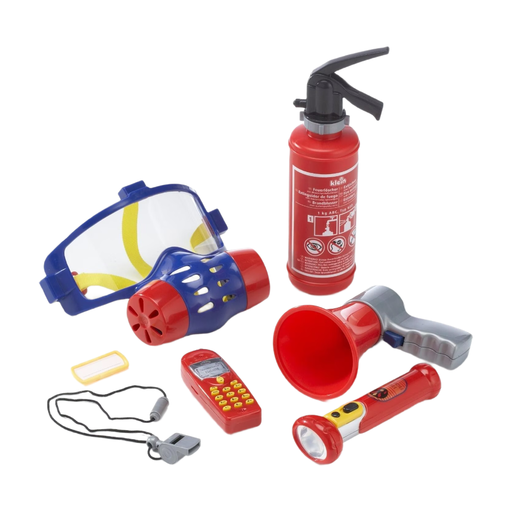
Why this product is a great fit: This set is ideal for children aged 3 and up who want to step into the role of a firefighter. It encourages creative play and an understanding of the profession.
This product is clearly declared as a toy helmet and is part of a role-playing set. There is no risk of mistaking it for a protective helmet.
Extensive accessories like a megaphone and a battery-operated phone promote an immersive play experience.
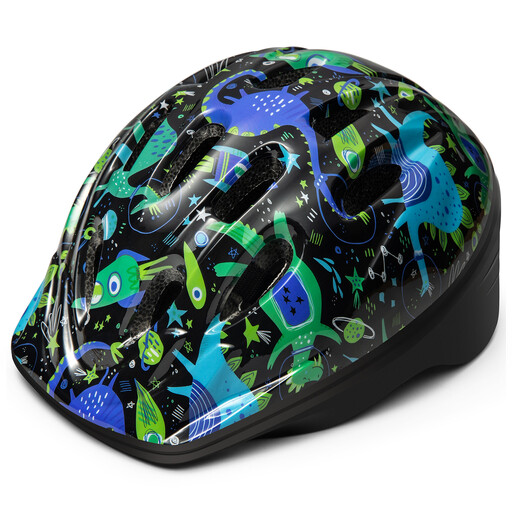
Why this product is a great fit: This helmet is designed for multi-sport use and is suitable for children aged 5 and up for cycling, skating, or scootering. It combines a durable outer shell with good ventilation.
According to the manufacturer, it meets CPSC safety standards (the US equivalent of EN 1078) and features an adjustable dial and two sets of removable liners for a precise fit.
The construction, featuring an ABS shell and an EPS core, offers reliable impact resistance for daily use.
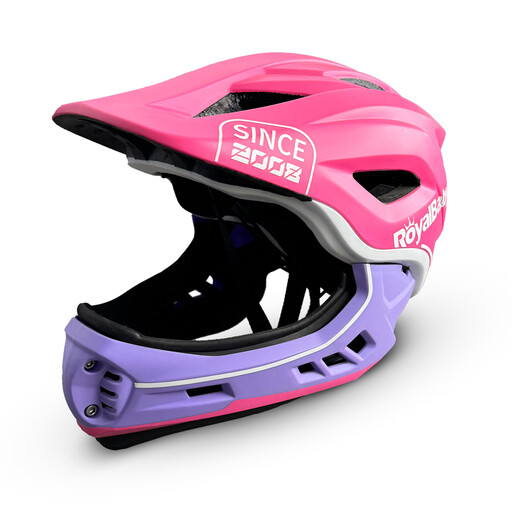
Why this product is a great fit: This convertible helmet is designed for children and teens (ages 5-13) who engage in more demanding sports like BMX or mountain biking, where enhanced protection for the face and chin is necessary.
The 2-in-1 design with a detachable chin bar specifically addresses the need for greater protection, preventing the purchase of an inadequate standard helmet for higher-risk activities.
As a full-face helmet, it provides 360° protection. An integrated light on the adjustment dial also enhances visibility.
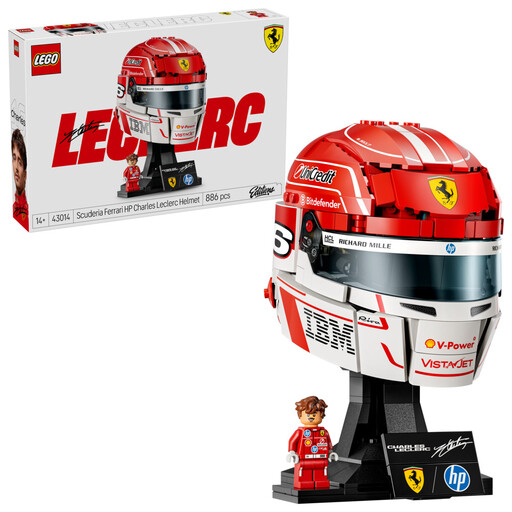
Why this product is a great fit: This building set is a detailed model for Formula 1 enthusiasts aged 14 and up. It makes an ideal gift for teenagers and collectors of motorsport memorabilia.
The product category as a LEGO building set and Formula 1 collector's item makes it clear that this is a display piece and not a protective helmet, thereby eliminating any risk of confusion.
A high level of detail with authentic colours, logos, and a driver minifigure. It offers an engaging building experience and is a decorative collector's item.
We have compiled a complete, up-to-date list of products that fully meet these strict selection criteria and safety regulations.
A protective helmet should be replaced immediately after any fall or significant impact, even if no external damage is visible. The inner EPS foam structure can become compressed and will no longer offer adequate protection. Regardless of impacts, most manufacturers recommend replacement every 3 to 5 years, as the material can degrade over time due to UV radiation and environmental factors.
Measure your child's head circumference at its widest point—about one centimetre above the eyebrows and ears—with a flexible measuring tape. The helmet should sit level on the head, covering the forehead. It should be adjusted with the fit system and straps so that it doesn't shift with head movements but also doesn't leave any pressure points.
For everyday rides on the pavement, bike path, or in parks, a conventional, well-ventilated bicycle helmet (half-shell) is perfectly adequate and more comfortable. A kids' full-face helmet is specifically designed for sports with a high risk of falling and high speeds, such as downhill mountain biking, BMX racing, or visits to the bike park, where additional protection for the chin and face is advisable.