
Lieferung heute & morgen

Qualitätsgarantie

Willkommens-Angebote freischalten: KOSTENLOSE Lieferung | Bis zu 80 % RABATT | Kostenlose 30-Tage-JoyPlus-Testphase
App herunterladen
Choosing the right protective helmet for a child is an important decision. Enhanced visibility can make a crucial difference for safety, especially at dusk or in low-light conditions. A kids' helmet with a light combines protection with active illumination, making it a preferred choice for many parents.
As your Joybuy Product Recommendation Officer, my job is to provide you with clear and objective information. This article is designed to help you understand the features of different helmets and make an informed decision based on your child's needs and planned activities.
Before we look at specific models, here are some general criteria to consider when selecting a helmet for children.
A helmet can only provide effective protection if it fits correctly. It should sit snugly on the head without being too tight and shouldn't shift during movement.
The helmet's construction affects its weight and durability. Common safety certifications (e.g., EN 1078 for bicycle helmets or EN 1077 for ski helmets) confirm that a helmet meets fundamental safety requirements.
Consider what activities the helmet will primarily be used for. A kids' bike helmet is designed for good ventilation, while a kids' ski helmet often has warmer padding and features goggle retainers. Multi-sport helmets, suitable for bikes, scooters, and skateboards, offer a good balance for year-round use.
Here is a selection of three helmets from our range that have different focuses regarding safety, functionality, and intended use.
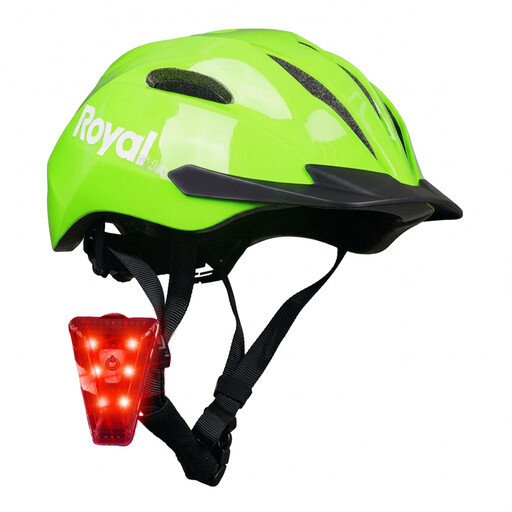
Why It Stands Out: This model clearly focuses on visibility and a lightweight design. The integrated rear light with six LEDs and three different light modes (steady, synchronous flashing, gradual flashing) significantly increases the child's visibility in traffic. At just 250 grams, the helmet is also exceptionally lightweight, which enhances comfort on longer rides.
Features:
Who Is It For? This helmet is a great choice for parents looking for a lightweight kids' bike helmet with the clear safety advantage of active lighting. It is excellent for the daily commute to school or for bike and scooter rides in urban environments, especially at dusk.
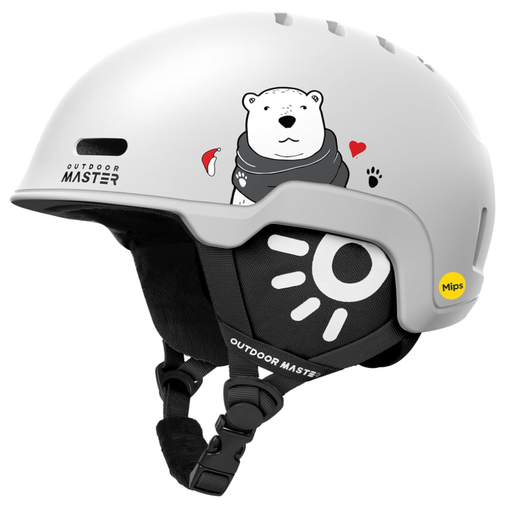
Why It Stands Out: This kids' ski helmet combines MIPS safety technology with winter-sport-specific comfort features. The construction is designed to offer additional protection during certain types of impacts, while the soft inner lining and ear pads provide warmth and comfort on the slopes.
Features:
Who Is It For? This helmet is aimed at families looking for a specialised and safety-focused protective helmet for kids for winter sports. It is designed for children aged 5 and up and offers a solution tailored for skiing, thanks to MIPS and its warming features.
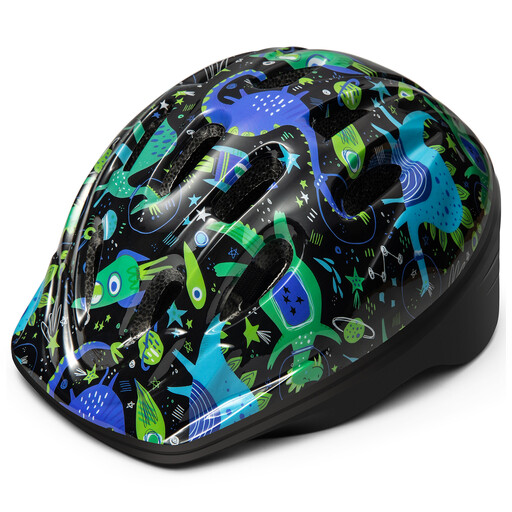
Why It Stands Out: The Ibex helmet is designed as a robust all-rounder for various sports. Its reinforced ABS outer shell makes it especially resistant to everyday wear and tear. A practical feature is the two removable liners of different thicknesses, which allow for flexible adjustment for a growing child's head.
Features:
Who Is It For? This model is ideal for parents looking for a durable and versatile helmet for daily use. Its robust construction makes it a great choice for kids who ride bikes, skateboards, or scooters and need a reliable protective helmet.
This selection represents just a small sample of the available models. Every protective helmet for kids has specific features that make it suitable for different needs. If you want to compare more helmets or look for other designs and functions, you can find a broader overview in our main category.
Explore Our Full Range of Kids' Helmets
1. How do I determine the correct helmet size for my child? Measure your child's head circumference with a flexible measuring tape at its widest part, about a finger's width above the eyebrows. Compare this measurement with the manufacturer's size specifications (e.g., 52–56 cm). A well-fitting helmet should sit level on the head and be secured with the adjustment dial so that it does not shift, even when the head moves.
2. What does MIPS mean on a kids' helmet? MIPS stands for "Multi-directional Impact Protection System." It is a low-friction layer inside the helmet. According to the manufacturer, MIPS AB, this technology is designed to allow the helmet to move slightly relative to the head during an angled impact. The goal is to reduce the rotational forces that can act on the brain during such accidents.