
Lieferung heute & morgen

Qualitätsgarantie

Willkommens-Angebote freischalten: KOSTENLOSE Lieferung | Bis zu 80 % RABATT | Kostenlose 30-Tage-JoyPlus-Testphase
App herunterladen
A magic kit is more than just a toy. It's a gateway to a world of imagination, promoting concentration, fine motor skills, and building self-confidence when the first trick is successfully performed for an amazed audience. But the selection is vast, and not every set delivers on its promise. As a Joybuy Product Recommendation Officer, I'll help you avoid the common pitfalls of purchasing and find a set that truly brings joy.
Many parents and grandparents know the disappointment: you invest in what seems like a great gift, only for it to end up unused in a corner after a short time. This is often due to three common problems with magic kits:
To avoid these disappointments, you should check a few basic parameters before buying.
A good magic kit is a well-thought-out collection tailored to the abilities and needs of children. Pay attention to the following three features to make an informed decision.
The label Magic kit for ages 6 and up is an important first clue. At this age, children are developing the necessary patience and dexterity. However, the type of instructions is crucial. For beginners, step-by-step guides with clear, large pictures are essential. Some manufacturers, such as Kosmos, also offer online videos that visually explain complex sleight-of-hand. This allows children to master learning magic for beginners independently and build a sense of achievement.
The fascination of magic for kids comes alive through its props. A classic magic hat with a rabbit (often a plush figure) and a sturdy magic wand are considered basic equipment by many. Check the product description for information on materials. Components made of robust plastic or wood are generally more durable than those made of thin cardboard. A good set offers a balanced mix of different props (cards, coins, ropes, cups) to enable a variety of tricks and keep interest high.
A set should be structured to grow with the child's skills. Ideally, it contains a mix of very simple tricks for quick initial successes and more challenging illusions that require some practice. This tiered learning curve ensures long-term motivation. The number of tricks alone is not the deciding factor; more important is the quality and educational design that makes the set a meaningful gift for 6-year-olds and older children.
Based on the criteria above, we have identified some products that are suitable for different profiles.

Why This Fits Their Persona: This kit is ideal for children who dream of putting on a complete magic show. It includes classic props like a hat, rabbit, and magic wand, and is explicitly designed for the 6-and-up age group.
The illustrated guide is supplemented by online videos, which prevents frustration from incomprehensible explanations. The props are made for children's hands and are sturdy enough for many performances.
A comprehensive starter kit with 25 tricks for long-lasting engagement. Includes performance tips that help build self-confidence.

Why This Fits Their Persona: This set is aimed at children interested in the fundamentals of classic sleight-of-hand. The focus is on the timeless Cups & Balls game, a foundational discipline in magic.
Instead of offering many low-quality tricks, this set concentrates on one core routine with durable, purpose-built components. This encourages focused practice rather than superficial play.
Focuses on learning a fundamental skill in the art of magic. The props are designed for repeated practice and flawless execution.
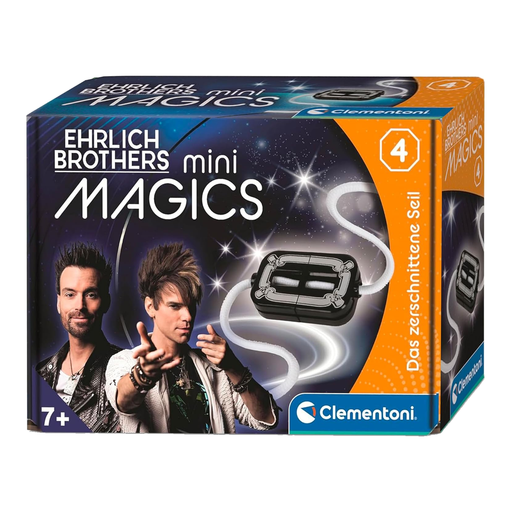
Why This Fits Their Persona: This mini-set is a great way to test a child's interest in magic without investing in a large kit right away. It's also perfect as a small gift or for travel.
By focusing on a single, well-known trick, the instructions are very focused and easy to understand. This guarantees a quick sense of achievement and avoids the overwhelm of too many options.
Quick learning success and an impressive effect. The collaboration with the Ehrlich Brothers, famous German magicians, can provide additional motivation.
We've compiled a complete, up-to-date list of products that fully meet these strict selection criteria and relevant safety regulations.
Generally, magic kits are recommended for children aged six and up. At this point, their fine motor skills, ability to concentrate, and reading comprehension (for illustrated instructions) are usually developed enough to successfully learn the first tricks. Pay attention to the manufacturer's specific age recommendation, such as Magic kit for ages 6 and up, to avoid overwhelming them.
A good starter kit combines three elements: First, very clear instructions, preferably illustrated or supported by videos. Second, robust and child-friendly props that can withstand repeated practice. Third, a balanced mix of simple tricks for quick successes and a few more challenging illusions that encourage long-term practice.
Your most important role is to be a patient and appreciative audience. Give your child the time they need to practice. Offer help if they get stuck on a step, but don't try to solve the trick for them. Experiencing the first successful performance together is a valuable experience that strengthens your bond and the child's self-confidence.