
Lieferung heute & morgen

Qualitätsgarantie

Willkommens-Angebote freischalten: KOSTENLOSE Lieferung | Bis zu 80 % RABATT | Kostenlose 30-Tage-JoyPlus-Testphase
App herunterladen
A night light in a child's room should provide a sense of security and take away the fear of the dark. However, the selection process is fraught with pitfalls that can quickly turn a well-intentioned purchase into a bad buy. Many products focus on a cute design but neglect fundamental functional aspects crucial for a child's restful sleep. Before you make a decision, it's helpful to know the most common problems.
The 3 Most Common Pitfalls When Buying a Night Light:
To avoid these pitfalls, you should base your choice on objective criteria. The following three points are crucial for the functionality and safety of a night light for children.
The material of a night light is a central safety factor. Especially in the environment of babies and toddlers, soft, shatterproof materials are a sensible choice.
Regardless of the material, remember: a night light is an electrical appliance, not a toy.
The quality of the light has a direct impact on sleep quality. A good sleep light or nursing light should provide warm and gentle illumination.
The type of power supply determines how flexibly you can use the night light.
Here are some product recommendations tailored to different needs and use cases.

Why This Fits Their Persona: Ideal for parents seeking a safe, soft, and portable night light for their child's room. It can be safely touched and even used in bed by the child to alleviate fear of the dark.
The soft, manufacturer-stated BPA-free silicone material is shatterproof and has no sharp edges. The integrated battery makes it independent of wall sockets.
Dimmable in 3 stages via touch control and a 30-minute timer function. Rechargeable via USB-C.

Why This Fits Their Persona: Perfect for anyone who needs reliable, automatic lighting for hallways, stairs, or the bathroom. Once plugged in, it functions as an orientation light with no further intervention required.
As a plug-in light, it eliminates the problem of dead batteries. The motion sensor ensures the light only activates when needed, saving energy and preventing constant disturbance.
Combination of a motion and dusk-to-dawn sensor. The brightness is adjustable in 5 levels to tailor the light intensity to the specific location.
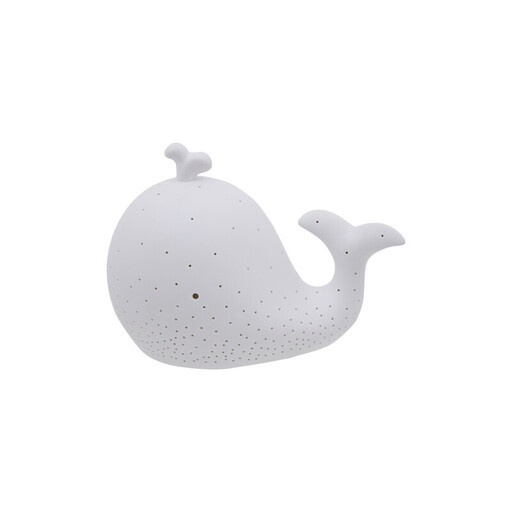
Why This Fits Their Persona: For parents who view the night light as a stylish decorative element that blends harmoniously into the child's room design. It's more of a children's room lamp than a purely functional light.
Although it's made of ceramic (the material pitfall), it is positioned as a decorative object. When placed correctly out of children's reach, it serves its purpose without posing a risk.
The high-quality ceramic design creates a gentle, atmospheric light pattern on the wall through its perforations. It's a decorative focal point even when switched off.
We have compiled a complete, real-time list of products that fully satisfy these strict selection criteria and UK safety regulations.
1. What light colour is suitable for a child's night light? A warm white light (approx. 2700 Kelvin) is recommended. This reddish-yellow light interferes least with the production of the sleep hormone melatonin and promotes a calm sleeping environment. Cold, blue light should be avoided as it can have a stimulating effect.
2. How bright should a sleep light be? The ideal brightness is as low as possible, but just bright enough for the child to orient themselves and feel safe. A brightness sufficient to see the outlines of the room is usually enough. Dimmable night lights offer the advantage of being able to adjust the intensity according to the situation.
3. Is a battery-powered or a plug-in night light better? That depends on the intended use. A battery-powered night light is flexible and can be placed directly by the child's bed or used as a mobile light source. A plug-in night light is a maintenance-free, permanent solution, ideal as an orientation light in hallways or on stairs where constant but subtle lighting is desired.