
Lieferung heute & morgen

Qualitätsgarantie

Willkommens-Angebote freischalten: KOSTENLOSE Lieferung | Bis zu 80 % RABATT | Kostenlose 30-Tage-JoyPlus-Testphase
App herunterladen
Whether on inline skates, a skateboard, or a bike, the safety of children during sports activities is the top priority. A well-fitting set of protective pads for kids is essential. However, the market is overwhelming, and many products don't live up to their promises. As your Joybuy Product Recommendation Officer, I'll help you navigate the common pitfalls and make an informed decision.
Many parents invest in protective equipment for their children, only to find that it fails at the critical moment or that their child refuses to wear it at all. This is often due to two common problems:
To ensure the equipment serves its purpose, you should focus on three objective criteria. These will help you evaluate the quality of a set, independent of marketing claims.
Reliable protective gear for children should be certified according to a recognised standard. For roller sports equipment in Europe, the EN 14120 standard is relevant. It sets requirements for shock absorption, fit, and material resistance. Products from other markets can also meet high standards, such as the American CPSC certification. Such a seal indicates that the protectors have been tested for their protective function.
A pad can only protect if it sits securely in the right place. Look for the following features:
A good set of kids' pads combines different materials to ensure both protection and comfort. The essential components are:
Based on the criteria mentioned, we have identified some products that are suitable for different user profiles.
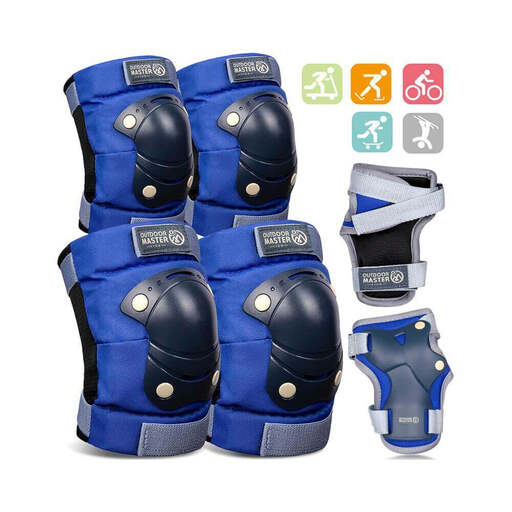
Why This Fits Their Persona: Ideal for kids taking their first steps on a scooter or skateboard. This set provides solid basic equipment that covers all major joints without breaking the bank.
Instead of a one-size-fits-all approach, this set offers specific sizes (e.g., S) and adjustable straps, ensuring a secure fit and preventing slippage.
The set is CPSC-certified and features a PP hard shell with PE foam padding. Includes a practical mesh bag for storage.
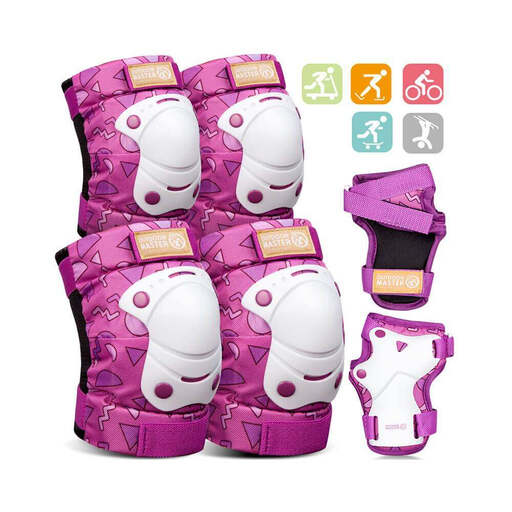
Why This Fits Their Persona: Perfect for kids who ride regularly and intensely. The robust construction and excellent adjustability make this set a durable companion that can even accommodate growth spurts.
This set bypasses the problem of inadequate protection with a tested material combination. The impact-resistant PP shell and thick PE foam layer offer reliable protection that goes beyond mere looks.
The ergonomic design ensures high comfort and freedom of movement. The breathable, skin-friendly material increases wearing acceptance during longer activities.
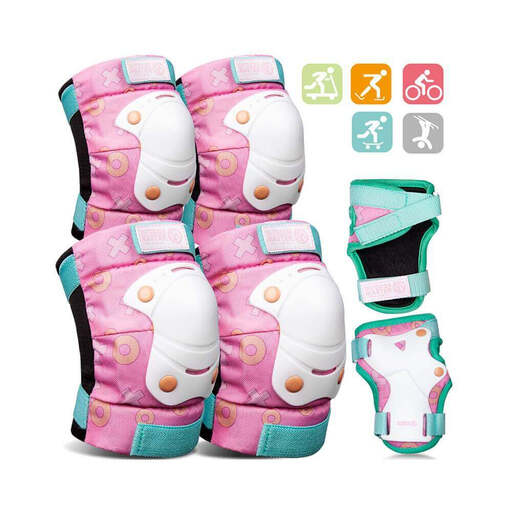
Why This Fits Their Persona: For kids who care about the look of their gear. The appealing color motivates them to wear it, while the technical features ensure their protection.
This set proves that design and safety can go hand in hand. It combines an attractive look with CPSC certification and high-quality materials, so no compromises are made on protection.
The complete set includes knee, elbow, and wrist guards, offering comprehensive protection for all relevant impact points when inline skating or skateboarding.
We've compiled a complete, up-to-date list of products that fully meet these strict selection criteria and safety regulations.
Measure the circumference of your child's leg and arm about 4 inches (10 cm) above and below the knee and elbow joints, respectively. Compare these measurements with the manufacturer's size chart. Do not rely solely on age recommendations, as children can have very different builds. A good fit is achieved when the pads are snug without cutting off circulation and do not slip during movement.
Inspect the protective gear regularly for damage. After a major fall, protectors should always be checked and replaced if there are cracks in the hard shell or if the padding is heavily compressed. Even without a fall, materials can degrade from UV radiation and use. Replacing them every 2-3 years with regular use is a sensible measure.
Most manufacturers advise against machine washing, as it can damage the materials, especially the foam padding and the hook-and-loop fasteners. The recommended cleaning method is to wipe them with a damp cloth and mild soap. Afterwards, the pads should be air-dried, but not in direct sunlight or on a heater. Always follow the manufacturer's care instructions.