
Lieferung heute & morgen

Qualitätsgarantie

Willkommens-Angebote freischalten: KOSTENLOSE Lieferung | Bis zu 80 % RABATT | Kostenlose 30-Tage-JoyPlus-Testphase
App herunterladen
Choosing a puzzle for a child seems simple at first glance. But anyone who has stood before an overflowing toy shelf knows how quickly the decision can become a challenge. An ill-suited puzzle doesn't lead to playful learning; it leads to frustration and is quickly cast aside. To help you make an informed choice, we'll highlight the most common pitfalls and the crucial criteria that truly matter.
The three most common mistakes when buying children's puzzles:
To avoid disappointment, you should focus on objective features that directly influence the success and enjoyment of puzzling.
The combination of piece count and size is the most important indicator of difficulty. Development here is gradual:
A high-quality puzzle is characterised by sturdy cardboard and precision cutting. The pieces should fit together easily and offer a secure hold without bending or fraying at the edges. Ravensburger is known for a manufacturing quality where the pieces interlock with a satisfying click. This gives the child direct tactile feedback that a piece has been placed correctly, which boosts their self-confidence.
The image is crucial for long-term engagement with the puzzle. Choose a theme that matches the child's interests. Whether it's vehicles, animals, fairy-tale characters, or heroes from their favourite show – an appealing picture motivates the child to stay engaged, even through more difficult sections. This also makes a puzzle an ideal gift for a child's birthday if you know the child's preferences. For older children, a logic game for kids or a puzzle with additional riddles can be an exciting next step.
Here are some recommendations tailored to different needs and developmental stages.
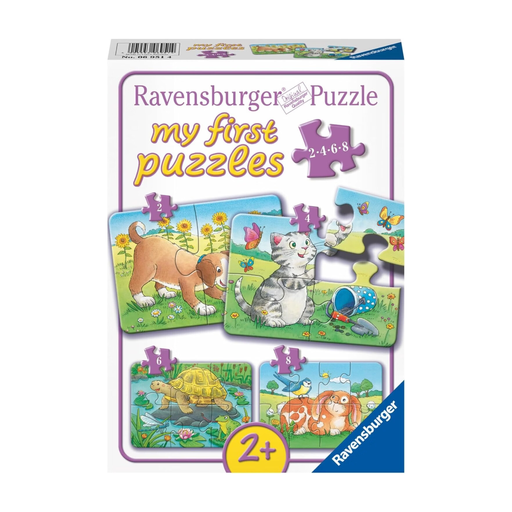
Why This Fits Their Persona: This set is specifically designed for toddlers taking their first steps into the world of puzzles. The increasing piece count (2, 4, 6, 8 pieces) supports the child's development incrementally and prevents them from feeling overwhelmed.
It bypasses the pitfall of a mismatched age rating by offering multiple difficulty levels in one set. The motifs are clear and drawn from a toddler's everyday life.
The pieces are made from thick, sturdy cardboard that can withstand small, clumsy hands. Promotes fine motor skills and concentration.
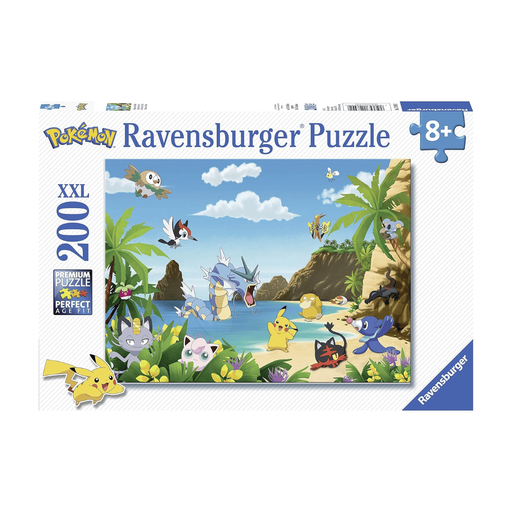
Why This Fits Their Persona: For primary school-aged children who already have puzzle experience and are fans of the Pokémon universe. The 200 XXL pieces offer a suitable challenge without being overwhelming.
With its Pokémon theme, the puzzle perfectly captures the interest of the target audience, ensuring motivation. The XXL pieces are a great compromise between a high piece count and easy handling.
The size of the finished puzzle (49 x 36 cm) creates an impressive result. The Ravensburger quality guarantees high precision fit and durability.
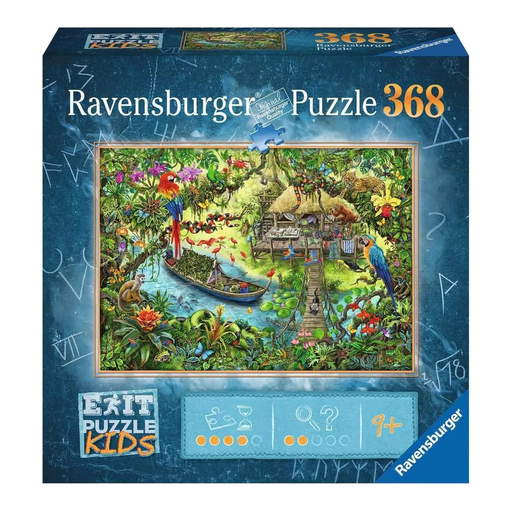
Why This Fits Their Persona: Ideal for older children looking for a greater challenge. This product combines a classic puzzle with the riddles of an escape room, functioning as a sophisticated **educational toy for ages 9+** and **logic game for kids**.
It goes beyond a simple image-based puzzle, offering a deeper, interactive layer through its riddle elements that captivates older children and prevents boredom.
Specifically promotes logical thinking and problem-solving skills. The finished puzzle is part of the solution, which provides additional motivation.
We have compiled a complete, real-time list of products that fully satisfy these strict selection criteria and UK safety regulations.
A 200-piece Ravensburger puzzle, especially in the XXL format, is generally recommended for children aged 8 and up. However, this is a guideline. A child who puzzles regularly and has good concentration skills may be able to tackle it earlier. For beginners in this age group, a 100-piece puzzle might be a better starting point.
Puzzling is a versatile activity that supports several areas of child development. These include:
A lost puzzle piece is frustrating. Due to production processes where cutting tools are regularly replaced, it is generally not possible for manufacturers like Ravensburger to supply individual replacement pieces for standard puzzles. The best approach is to take precautions from the start: puzzle on a solid surface or a special puzzle mat, and store the pieces securely in the box during breaks.