
Lieferung heute & morgen

Qualitätsgarantie

Willkommens-Angebote freischalten: KOSTENLOSE Lieferung | Bis zu 80 % RABATT | Kostenlose 30-Tage-JoyPlus-Testphase
App herunterladen
A ride-on digger in the garden or sandpit is a highlight for many children. It not only sparks their imagination but also develops motor skills. However, the selection is vast, and not every model lives up to its promises. Before you make a decision, it's crucial to understand the common weaknesses that often only become apparent after purchase and can spoil the fun.
This guide focuses on the objective features that define a durable and safe toy. We'll highlight the three most common pitfalls when buying and explain which core parameters you should look for to make an informed choice.
Many products look sturdy at first glance but reveal their flaws only with use. Pay close attention to these three points to avoid disappointment:
To avoid the problems mentioned above, you should base your decision on verifiable criteria. The following three aspects are central to the durability and play value of a ride-on digger.
The choice of material is critical for durability. Look for products made from high-quality plastics like HDPE (High-Density Polyethylene). This material is more resistant to impacts and weathering compared to basic PP. You can recognise good craftsmanship by its rounded edges with no sharp burrs and the solid connection of its components. This is a key feature for safe outdoor toys for kids.
A safe ride-on digger for kids is characterised by its thoughtful design. Check the following points:
The mechanics of the excavator arm determine the fun factor. A good sand digger should have a manually controlled arm with multiple joints. This allows for realistic movements like lifting, lowering, and dumping the shovel. The control levers should be easy for small hands to reach and operate. Extra features like a rotating cab or a storage compartment under the seat further enhance the play value. Models that come as a set with accessories, such as a digger with a helmet, offer a complete play experience right from the start.
Instead of a one-size-fits-all recommendation, we present different models tailored to various play preferences and requirements.
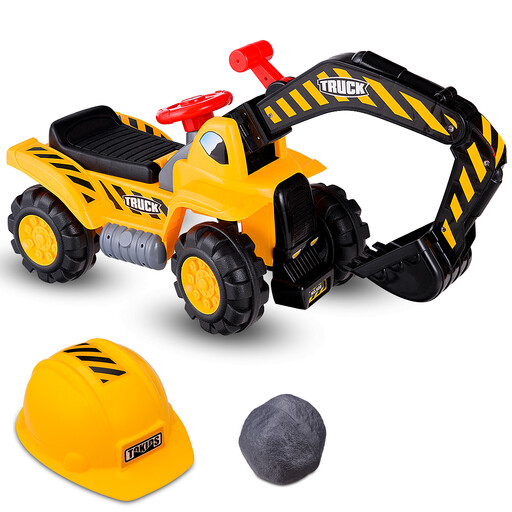
Why This Fits Their Persona: Ideal for children aged 3 and up who love realistic role-playing. This Costway digger is designed for use in the sandpit, garden, or park and specifically promotes hand-eye coordination through manual control.
The construction of PP and HDPE materials is robust and water-resistant. Wide wheels ensure stability, and the fully functional excavator arm allows for real digging of sand or soil.
Complete package for out-of-the-box fun: A matching safety helmet and three toy rocks are included. The seat also serves as a convenient storage compartment.
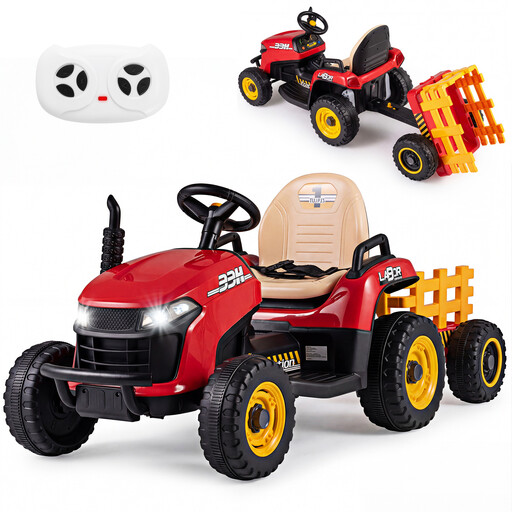
Why This Fits Their Persona: For children who are fascinated by farming and enjoy transporting things. This electric tractor offers an alternative to a digger and expands play to include driving and hauling.
Instead of stiff mechanics, this model features a 24V electric drive with a clearly defined function. The included remote control gives parents control over the vehicle, increasing safety.
The large, detachable trailer offers plenty of space for transporting toys, sand, or leaves. The combination of self-driving and remote control adapts to the child's skill level.
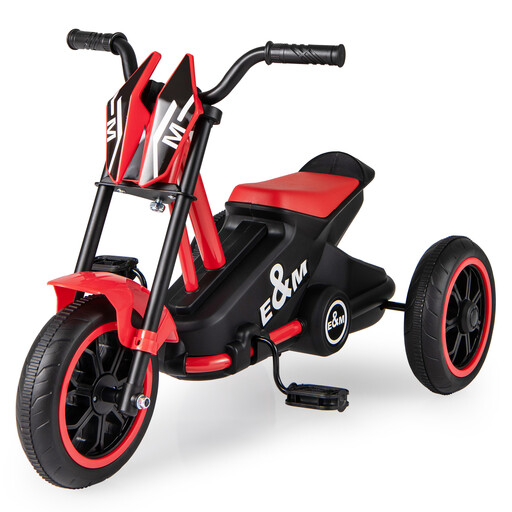
Why This Fits Their Persona: A classic and straightforward choice for younger children focused on developing balance and coordination. It's a pure-motion toy without complex extra features.
Thanks to its three wheels, the design is inherently tip-proof. It focuses on a single function—riding—thus avoiding fragile mechanical add-ons like excavator arms.
Actively promotes physical activity and fundamental motor development. The simple, sturdy construction ensures a long lifespan with minimal maintenance.
We've compiled a complete, up-to-date list of products that fully meet these strict selection criteria and safety standards.
Most manufacturers recommend ride-on diggers for children aged 3 and up. However, the child's individual developmental stage is more important than age. They should be able to sit securely on the vehicle, reach the ground with their feet, and understand the basic movements to control the excavator arm. Always start with supervision on a flat surface.
To maximise the lifespan of a plastic ride-on digger, clean it regularly with a damp cloth and mild soapy water, especially after playing in sand or mud. To protect the material from fading and becoming brittle due to UV radiation, it's best to store the toy in a shaded area or a shed when not in use.
Read the assembly instructions carefully and ensure all parts are present. Tighten all screws and connections firmly, but not excessively, to avoid damaging the plastic. Before the child's first use, check all moving parts, especially the excavator arm and wheels, to ensure they are secure and function smoothly.