The selection of kids' ride-on toys is vast, ranging from simple push cars to highly detailed electric cars. However, the search for the right model can quickly become overwhelming. Many products promise more than they deliver, leading to disappointed children and unnecessary expenses for parents. This guide will help you identify common pitfalls and make an informed decision.
The 3 Most Common Pitfalls When Buying Kids' Ride-On Toys
Before being swayed by colourful designs and marketing promises, it's wise to understand the most common flaws that can quickly render an outdoor toy useless.
- Lack of Adjustability: A frequent problem with budget-friendly models is their rigid design. A balance bike or kids' scooter without a height-adjustable handlebar or seat will often only fit for a few months. If the vehicle is too small or too large, it not only causes frustration but also leads to an unsafe posture and an increased risk of accidents.
- Poor-Quality Materials and Hidden Risks: Flashing lights and loud sounds often distract from the actual build quality. Brittle plastic, sharp edges that appear after a short period of use, or wheels that jam easily are not uncommon. Pay attention to the material composition and robust components instead of focusing on superficial features.
- Ignoring the Child's Developmental Stage: The well-intentioned purchase of a complex electric car for a two-year-old can quickly backfire. Each type of vehicle trains different motor skills. A child who cannot yet maintain their balance will benefit more from a stable push car or a balance bike than from a vehicle that is primarily operated at the push of a button.
Key Parameters for Making the Right Choice
To avoid a poor purchase, you should check several technical and ergonomic core features before making a decision. These are crucial for determining the safety, enjoyment, and longevity of the ride-on toy.
1. Age-Appropriate Design and Ergonomics
The type of vehicle should always match the child's motor skill development.
- Push Car (from approx. 1 year): Ideal for the first independent movements. A low centre of gravity and a wide wheelbase are crucial here for tip-over resistance.
- Balance Bike and Tricycle (from approx. 2 years): A balance bike is excellent preparation for future cycling as it trains the sense of balance. A tricycle from 2 years offers more stability for children who still feel unsteady when balancing. For both, an adjustable seat and handlebars are essential.
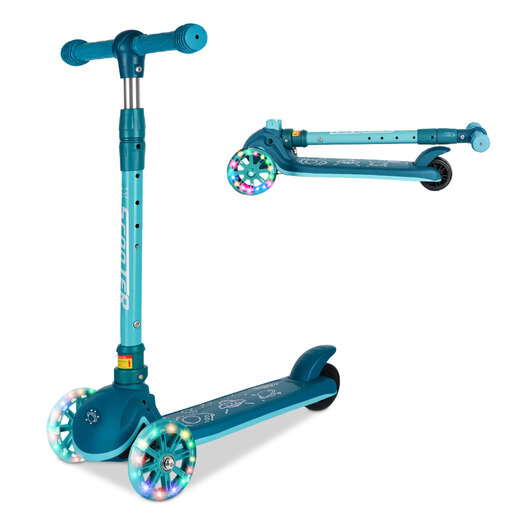
- Kids' Scooter (from approx. 3 years): Promotes the coordination of steering and pushing off. Models with three wheels (two at the front, one at the back) offer significantly more stability for beginners. A height-adjustable handlebar and a non-slip deck are important safety features. A scooter with light-up wheels not only increases the fun factor but also enhances visibility at dusk.
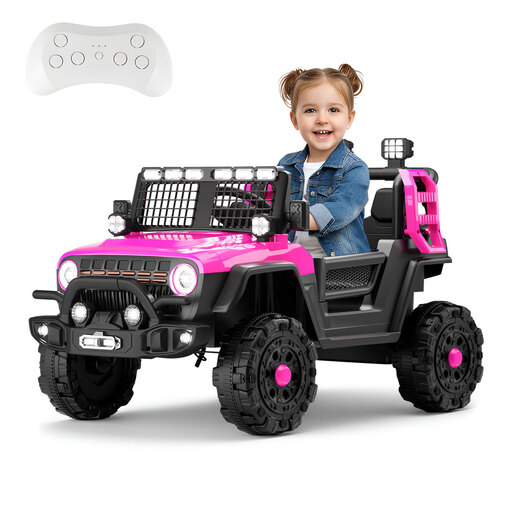
- Kids' Electric Car (from approx. 3 years): The focus here is on fun and role-playing. Look for a moderate maximum speed (usually 3–6 km/h), the presence of a seat belt, and ideally a remote control that allows parents to intervene.
2. Safety Standards and Material Quality
Safety is the most important criterion. Certain labels and material properties provide guidance here.
- CE Marking: This mark is mandatory and confirms that the product complies with the EU's essential health and safety requirements.
- Frame Material: Frames made of steel or aluminium are generally more durable and robust than those made of simple plastic.
- Wheels:Puncture-proof EVA tyres are maintenance-free and suitable for use on various surfaces. Air-filled tyres offer more cushioning but require maintenance.
- Workmanship: Check the product for rounded edges, secure grips, and concealed screws to minimise the risk of injury.
Top Picks for Every Need
Here are some product recommendations tailored to different age groups and needs, taking the above criteria into account.
SUITABLE FOR: FIRST RIDING ATTEMPTS (1-3 YEARS)
Why it's a great fit: Specially designed for toddlers to playfully develop balance and coordination. It is extremely lightweight, making it easy for children to handle and for parents to carry.
How It Avoids the Pitfalls
The limited steering angle prevents abrupt turns and reduces the risk of tipping (avoids safety risks). The adjustable seat grows with the child (avoids the lack of adjustability pitfall).
Key Advantage & Features
Lightweight aluminium frame (only 2 kg), puncture-proof and quiet EVA wheels for indoor and outdoor use.
SUITABLE FOR: ACTIVE PRESCHOOLERS (3-6 YEARS)
Why it's a great fit: Ideal for children who can already walk confidently and want to further train their balance. The intuitive lean-to-steer mechanism promotes coordination and makes riding easy to learn.
How It Avoids the Pitfalls
The height-adjustable handlebar allows for use across several years and age groups (3-10 years). The wide, non-slip deck and three wheels ensure high stability, avoiding the pitfall of unsafe designs.
Key Advantage & Features
Folding mechanism for easy transport and storage; light-up wheels for better visibility and extra fun.
SUITABLE FOR: YOUNG TECH FANS (AGES 3+)
Why it's a great fit: Offers the thrill of driving their "own" car with realistic features like Bluetooth music and lockable doors, while parents retain full control.
How It Avoids the Pitfalls
The included parental remote control allows you to take over at any time. This addresses the risk of choosing a vehicle that is too complex for the child's developmental stage, as parents can fully control the ride.
Key Advantage & Features
Combines fun for the child with safety through remote control; additional features like a seat belt and spring suspension.
Looking for more options?
We have compiled a complete, up-to-date list of products that fully meet these strict selection criteria and European safety regulations.
Frequently Asked Questions (FAQ)
1. What type of ride-on toy is appropriate for which age?
A general guideline is:
- Push Cars: From approx. 12 months, as soon as the child can sit and walk securely.
- Balance Bikes/Tricycles: From approx. 2 years, to train balance and coordination.
- Kids' Scooters: From approx. 3 years, once basic balancing skills are present.
- Electric Vehicles: From approx. 3 years, always under supervision and ideally with a parental remote control. However, the child's individual motor development is always the deciding factor.
2. What safety features should I look for in a kids' electric car?
In addition to the mandatory CE marking, the following points are important: a low maximum speed (usually under 6 km/h), a functioning seat belt, and a reliable remote control for parents. Also, check if the vehicle has a soft-start and braking function to avoid jerky movements.
3. How do I maintain a kids' ride-on toy to extend its lifespan?
Regular, simple maintenance can significantly extend its service life. This includes checking and, if necessary, tightening screws, storing it in a dry place to protect it from the elements, and cleaning it with a damp cloth. For battery-powered vehicles, the manufacturer's charging instructions should be followed carefully.