
Lieferung heute & morgen

Qualitätsgarantie

Willkommens-Angebote freischalten: KOSTENLOSE Lieferung | Bis zu 80 % RABATT | Kostenlose 30-Tage-JoyPlus-Testphase
App herunterladen
Setting up a child's room raises many questions for parents. Which furniture is safe and functional? What toys support development without being overwhelming? The market offers a wealth of options, which can make decisions difficult.
My name is Joy, and as a Joybuy Product Recommendation Officer, my job is to provide you with clear, objective information. This guide is designed to help you make an informed choice for your kids' room furnishings, selecting items that meet your child's needs and your standards for quality and durability.
Before making a decision, it's helpful to consider a few fundamental aspects. These criteria will help you identify products that are safe, practical, and built to last.
Safety in a child's room is the top priority. Look for sturdy construction with rounded corners and edges to minimise the risk of injury. For furniture, an anti-tip device that allows it to be secured to the wall is an important feature. The materials used should be non-toxic. In the EU, the CE marking indicates that a product meets the applicable safety requirements.
Good kids' room furnishings adapt to your child's growing needs. A wooden kids' table can initially serve as a play table and later be used for drawing and early homework. Montessori furniture is often designed to promote independence. A low bed or an accessible kids' bookshelf are examples of furniture that empower a child to use their environment on their own.
An organised kids' room creates a calm atmosphere that encourages focus. A well-designed toy storage solution is therefore essential. Open shelving systems, where toys and books have a designated place, help children learn to tidy up independently. The height of the shelves should be chosen so that children can reach the items without assistance.
Based on the criteria of functionality, safety, and educational value, we have curated a selection of products that can be a great addition to any child's room.
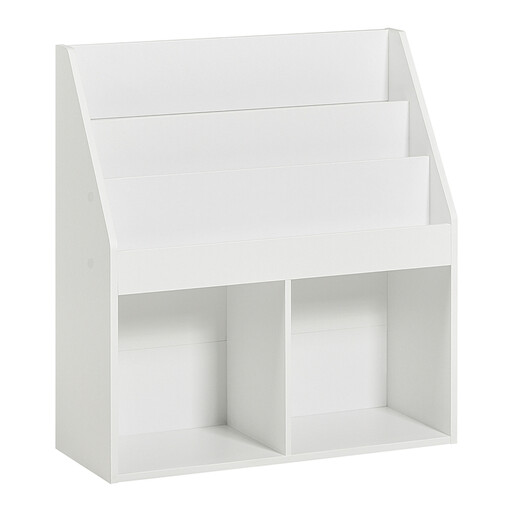
Why it stands out This bookshelf is based on the principles of Montessori education. Books are displayed with their covers facing forward, making it easier for children to recognise and choose their favourite stories themselves. Its low height and open compartments promote independence.
Benefits
Who is it for? For parents who are looking for functional toy storage while also wanting to support their child's reading autonomy according to Montessori principles. It's an excellent addition to kids' room ideas focused on fostering independence.
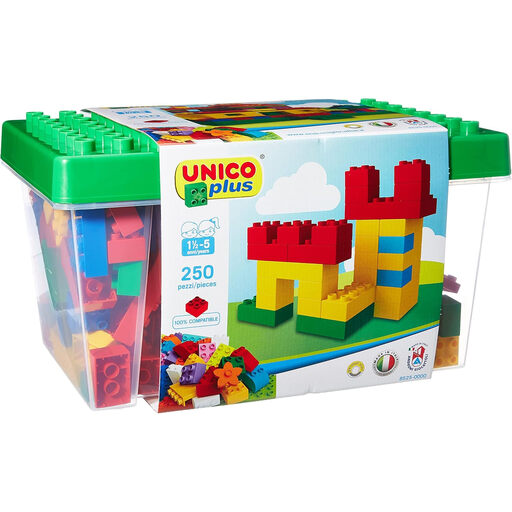
Why it stands out This set of 250 building blocks for toddlers is specially designed for the 18-month to 5-year age group. The size of the blocks is optimised for small hands. A key advantage is its compatibility with systems from other major brands, which significantly expands creative possibilities.
Benefits
Who is it for? For families looking for a versatile and durable educational toy that fosters creativity and grows with their child.
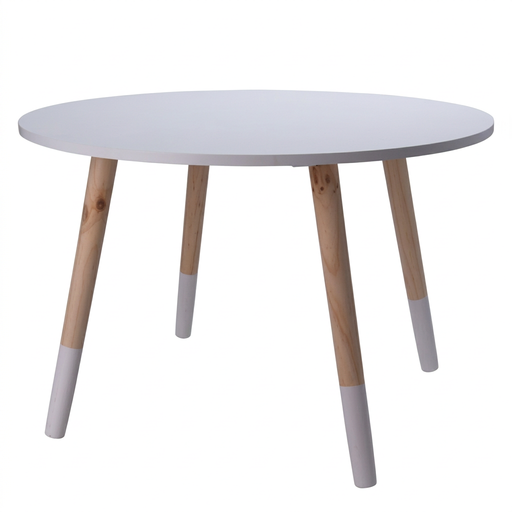
Why it stands out This wooden kids' table combines a sturdy build with an appealing two-tone design. With its compact dimensions of 60 x 41 cm, it offers a child-friendly surface for creative activities without taking up much space.
Benefits
Who is it for? For parents who want to create a dedicated, durable, and visually appealing space for their child's creative and playful activities.
The products featured here provide a foundation for functional kids' room furnishings. If you're looking for more ideas for a specific age group, you'll find additional inspiration in our curated selection of gift boxes for 4-year-olds.
The core furnishings include a bed, a wardrobe or dresser for clothes, and a defined play area. A small table with a matching chair and easily accessible toy storage, such as a low shelf or open bins, are also highly recommended.
Montessori furniture is characterised by its child-friendly height, easy accessibility, and use of natural materials. It is designed to foster a child's independence. A kids' bookshelf where books are displayed front-facing or a floor bed are typical examples.
A sensible organisation system prevents overstimulation. Use open, low shelves so the child can see and reach their toys independently. Transparent boxes also help with orientation. A rotation system, where only a portion of the toys is accessible and the rest are regularly swapped out, can enhance concentration and maintain interest in play.