
Lieferung heute & morgen

Qualitätsgarantie

Willkommens-Angebote freischalten: KOSTENLOSE Lieferung | Bis zu 80 % RABATT | Kostenlose 30-Tage-JoyPlus-Testphase
App herunterladen
A child's rug is more than just a decorative element. It's a playground, a cozy corner, and the center of imaginative adventures. But the sheer number of options can be overwhelming, and not every model that looks great at first glance can withstand the daily reality of a kid's room. Many parents quickly find that their new rug is difficult to clean, the material loses its quality, or the colors fade fast.
This guide will help you navigate the common buying traps. We'll focus on the critical features that define a durable and practical play rug and show you what to look for when choosing one for boys and girls.
To avoid buyer's remorse, focus on three key aspects: the material, the construction, and the specific care instructions.
The choice of material affects a rug's feel, durability, and maintenance.
The manufacturing method is an indicator of durability. A hand-tufted rug is made by punching loops of yarn through a backing fabric with a special tool. This technique creates a dense, hard-wearing pile where the design is an integral part of the rug and won't wear off—unlike with surface-printed models.
Always check the manufacturer's care label. A truly washable kids' room rug will be explicitly rated for machine washing. Models that only recommend professional cleaning or spot treatment are less suitable for the chaotic daily life with children.
Here are some recommendations tailored to different needs and interior styles.
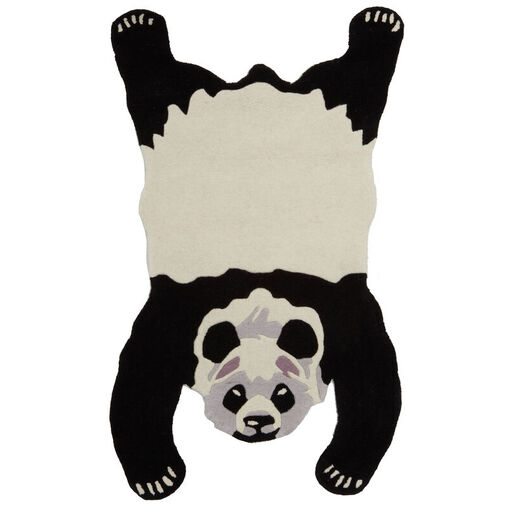
Why This Fits Their Persona: Ideal for parents seeking a clean yet playful design. The Panda Rug makes a bold statement in the room without feeling overwhelming and directly appeals to animal lovers.
The design isn't printed on; it's an integral part of the rug, thanks to the hand-tufted construction using 100% wool. This prevents the design from wearing off.
The durable wool fiber is naturally stain-resistant and long-lasting. Its 150x90 cm dimensions offer a generous play area.
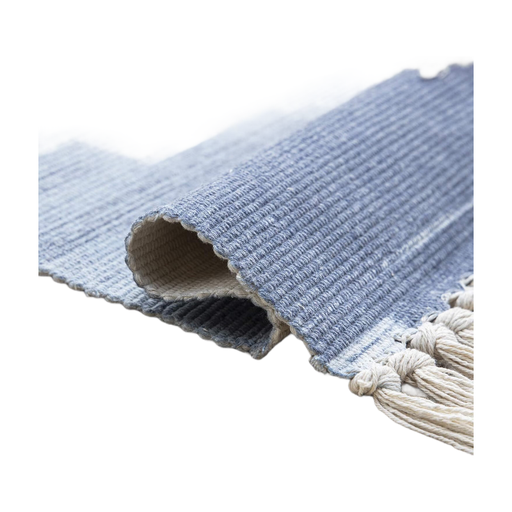
Why This Fits Their Persona: For families where easy cleaning is the top priority. This rug combines a stylish Boho rug look with the practicality of being machine washable.
It bypasses the "easy-care" trap because it is genuinely machine washable according to the manufacturer. This allows for hygienic and hassle-free deep cleaning.
The cotton and polyester blend is soft yet durable. The tufted texture and tassels give it a high-end look.
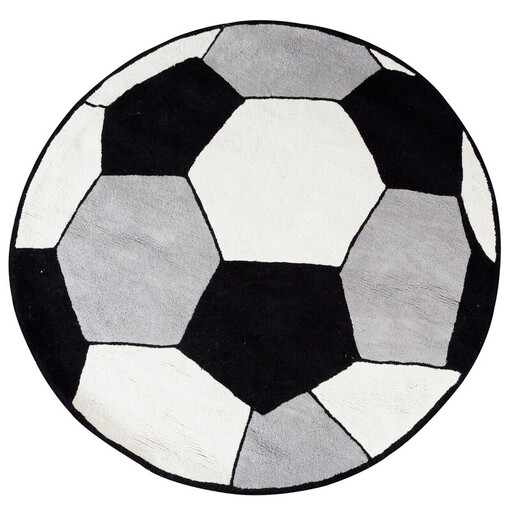
Why This Fits Their Persona: The perfect choice for a sports-themed kid's room. This ball-shaped football rug is an unmistakable statement piece for little fans.
Made from 100% cotton and hand-tufted, this rug offers high quality. The classic design is part of the structure, not a cheap print that will rub off.
The round shape with a 100 cm diameter fits well in many room sizes. The cotton fiber provides a comfortable feel underfoot.
We've compiled a complete, up-to-date list of products that fully meet these strict selection criteria and all applicable standards.
The right cleaning method depends on the material. Always follow the manufacturer's care instructions on the label. For a washable rug made of cotton, a gentle machine wash cycle is often possible. For wool rugs or models that only permit spot cleaning, we recommend regular vacuuming (without the beater bar) and immediate treatment of stains with a damp cloth and a mild detergent.
The ideal size depends on the room's dimensions and its intended use. If the rug is meant to be a central play area, sizes like 100x150 cm or 120x170 cm are a good choice. For creating an accent next to the bed or in a reading nook, smaller rugs like a 70x100 cm tractor rug or a round rug with a 100 cm diameter can be sufficient. Measure the available space before buying to ensure the rug fits well in the room.
Natural fibers like cotton and wool are breathable. However, for individuals with known allergies or sensitivities, it's advisable to choose low-pile, densely woven rugs, as they trap less dust and allergens than high-pile models. Regardless of the material, regular and thorough cleaning is crucial to minimize dust accumulation. A one-size-fits-all answer isn't possible, as reactions are highly individual.