
Lieferung heute & morgen

Qualitätsgarantie

Willkommens-Angebote freischalten: KOSTENLOSE Lieferung | Bis zu 80 % RABATT | Kostenlose 30-Tage-JoyPlus-Testphase
App herunterladen
A science kit is often more than just a toy—it's a gateway to new worlds that sparks curiosity and makes complex concepts tangible. But the selection is vast, and not every kit delivers on the promise of its colourful packaging. As a Joybuy Product Recommendation Officer, I'll help you navigate the common pitfalls and make an informed decision that will create lasting enthusiasm for inquisitive children.
Many well-intentioned gifts end up collecting dust in a corner. This is often due to problems that can be identified before you even buy. Pay special attention to these three points:
To avoid a bad buy, you should base your decision on objective criteria. Instead of being swayed by marketing promises, check the following three aspects.
The key to long-lasting interest is finding the right theme. Observe what the child is passionate about. Are they fascinated by technology and computers? Then a robotics kit could be the right choice. Is their interest more in natural phenomena? Then kits on biology (like a Triops growing kit) or chemistry (e.g., a crystal growing kit) are ideal. A good STEM toy aligns with the child's interests, making science personal and relevant.
Examine the contents of the kit carefully. How many different experiments can be performed? More importantly: can the included tools and components be reused for the child's own creative projects after the guided experiments are done? A microscope, a basic electronics kit, or programmable robotics elements offer significantly higher long-term value than consumable materials for a single experiment. Such a creative toy for kids fosters imagination far beyond the instruction manual.
A good manual is more than just a step-by-step list. It should be clearly structured, comprehensibly illustrated, and written in your local language. Crucial for the learning effect is that it explains not only the "what" and "how," but also the "why." A high-quality educational toy for ages 8+ explains the scientific principles behind the experiment and encourages independent observation and conclusions. Well-known brands like Kosmos science kits or Clementoni Galileo Lab often prioritise this didactic aspect.
Here are some recommendations tailored to different interests and requirements, specifically chosen to avoid the pitfalls mentioned above.
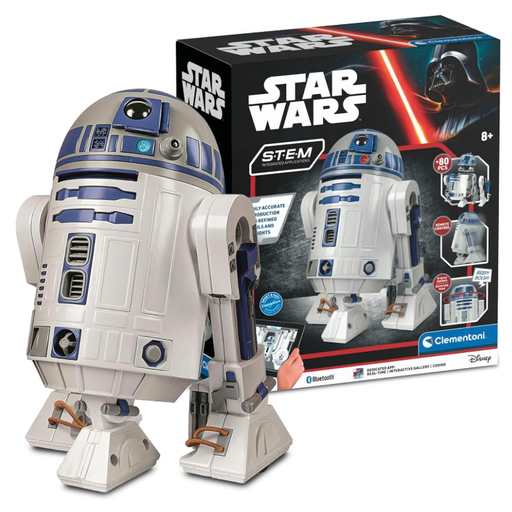
Why This Fits Their Persona: Ideal for kids fascinated by robots and the Star Wars universe. The set combines the construction of an iconic droid with a playful introduction to the basics of programming via an accompanying app.
Completely bypasses the "one-and-done" effect. After assembly, the robot is controllable, programmable, and interactive via the app, ensuring long-lasting play value.
Three app modes (real-time control, coding, character interaction). Promotes STEM skills through an integrated STEM approach.

Why This Fits Their Persona: Perfect for children interested in animals and life cycles. They take on the responsibility of raising prehistoric crustaceans and observe their development from egg to adult.
This is not a one-time experiment, but a weeks-long observation project. The extra-large tank with a separate breeding area allows for detailed and prolonged engagement.
Fosters a sense of responsibility through the daily care of living creatures. The manual includes not only care instructions but also research ideas on the animals' behaviour.
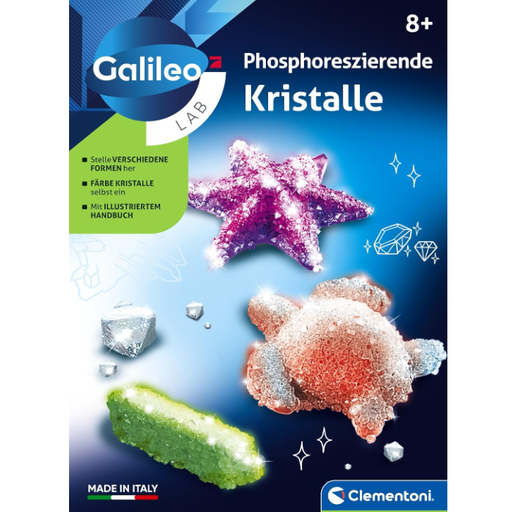
Why This Fits Their Persona: An excellent entry-level kit for children interested in chemistry who appreciate a tangible, beautiful result. Growing crystals is a classic experiment that rewards patience and precision.
The set is clearly focused on one task, but its result (glowing crystals) has lasting decorative value. It avoids the trap of unclear age recommendations with a simple, well-guided process.
Promotes scientific curiosity and logical thinking through a safe experiment. All necessary materials for creating the glowing salt crystals are included.
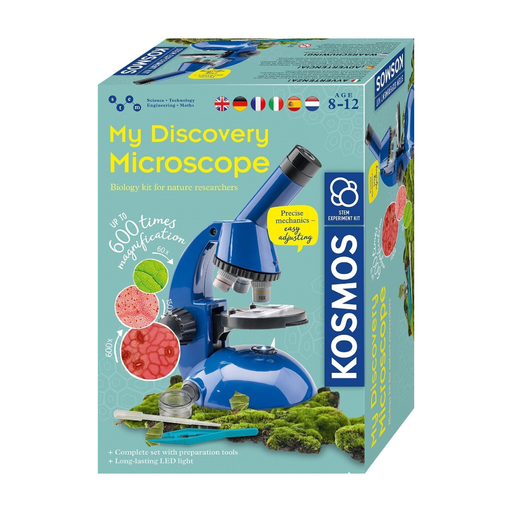
Why This Fits Their Persona: For kids who want to investigate everything—from the plant in the garden to the fibre in the carpet. This set isn't just an experiment kit; it's a real tool for limitless discovery.
The microscope is the opposite of a "one-and-done" product. It is a reusable instrument that fosters long-term curiosity and constantly allows for new objects of investigation.
Up to 600x magnification makes the microcosm visible. The complete set already includes accessories like slides and a pipette to get started immediately.
Finding the right gift for a curious child is a rewarding task. If you'd like to compare more kits selected based on objective criteria, you can find a broader selection here.
The age rating on the box is just a guideline. More important are the child's individual skills and interests. For children around 8 years old, sets with clear instructions and quick, visible results, like a crystal growing kit, are often suitable. Older or more experienced children aged 10 or 12 often find more enjoyment in complex tasks, such as building and programming a robotics kit, which require more patience and logical thinking.
Science kits sold in the EU and UK must meet strict safety standards, particularly the European Toy Safety Directive (EN 71). The included substances are harmless when used correctly and under the adult supervision required in the instructions. It is important to always read and follow the safety instructions and not to leave the materials unattended.
This is an excellent learning opportunity. Failure and error analysis are central parts of the scientific method. Encourage the child to carefully review the steps in the manual again. Was the right amount used? Was the temperature correct? This troubleshooting often trains careful observation and logical thinking more than immediate success. It turns a potentially frustrating experience into a valuable lesson.