
Lieferung heute & morgen

Qualitätsgarantie

Willkommens-Angebote freischalten: KOSTENLOSE Lieferung | Bis zu 80 % RABATT | Kostenlose 30-Tage-JoyPlus-Testphase
App herunterladen
A science kit can spark a child's curiosity and open the door to the world of science and technology. However, the vast selection of STEM toys can be overwhelming. Many products overpromise and underdeliver, leading to frustration instead of fascination. As a Joybuy Product Recommendation Officer, I'll help you navigate the typical pitfalls and make an informed decision that will genuinely delight your child.
Before we dive into the selection criteria, let's look at three common issues that often lead to disappointment:
To avoid these traps, you should check three core parameters. These will help you objectively assess the quality and educational value of a kit.
The age recommendation on the packaging primarily serves as a guide for safety and the required cognitive skills.
Even the most exciting science kit is useless if the topic doesn't interest the child. Observe your child's preferences:
Check whether the kit is designed for single-use experiments or for long-term, open-ended play.
Here are some recommendations tailored to different interests and age groups that successfully avoid the pitfalls mentioned.
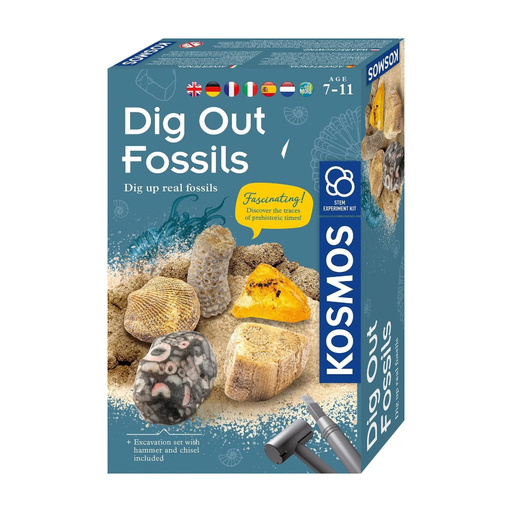
Why This Fits Their Persona: Ideal for children fascinated by dinosaurs and prehistoric times. It offers a hands-on adventure with a real treasure at the end, which promotes patience and fine motor skills. A perfect gift for curious kids.
Although it's a single-use project (Trap 2), its value lies in the real fossils, which can be kept as permanent collector's items. The experience is brief, but the result is lasting.
According to the manufacturer, it contains real fossils (ammonite, stony coral) and child-friendly tools (hammer, chisel). The manual also explains the basics of palaeontology.
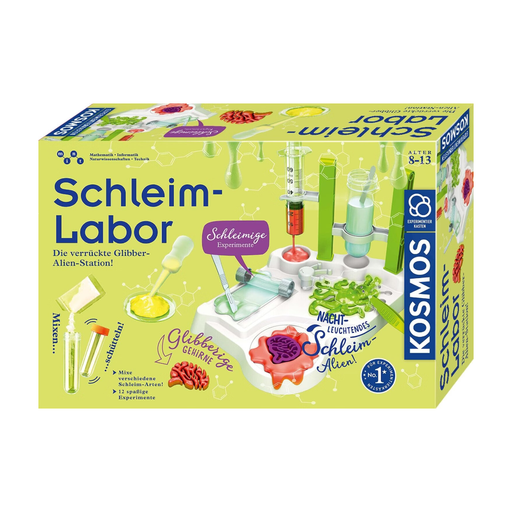
Why This Fits Their Persona: Perfect for kids aged 8 and up who love to mix, observe, and perform little "magic tricks." The large lab station creates an immersive atmosphere and encourages role-playing as a scientist.
The clear, step-by-step instructions avoid the instruction gap (Trap 3). With 20 different experiments, the set also offers a longer lifespan than a single-use product.
According to the manufacturer, the set contains non-hazardous chemicals for child-safe experimenting. It teaches the proper use of lab equipment like pipettes and measuring cups.
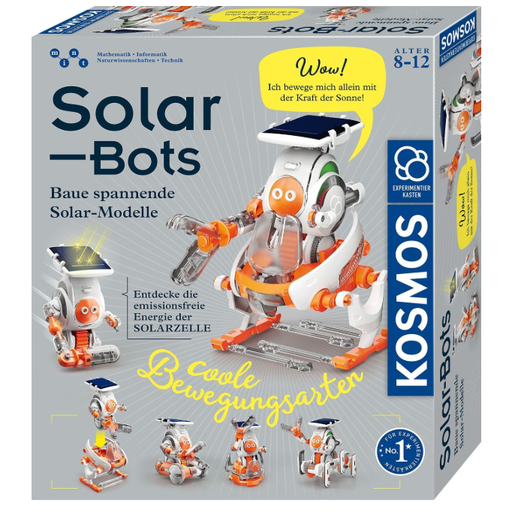
Why This Fits Their Persona: Appeals to tech-savvy kids who love to build and understand how things work. The focus on solar energy makes it a forward-thinking STEM toy.
This set is the opposite of a single-use product (Trap 2). The parts can be used to build 8 different models, offering high replay and learning value. The Easy-Click system simplifies reconstruction.
Playfully teaches the principle of renewable energy. The kit includes a solar cell with a motor and requires no batteries, making it sustainable and practical.
We've compiled a complete, up-to-date list of products that fully meet these strict selection criteria and safety regulations.
1. Are the chemicals in a chemistry set safe for children? Science kits sold in the EU must comply with the Toy Safety Directive (2009/48/EC). The chemicals included are generally rated as safe for use by children. Nevertheless, it is essential that experiments are conducted only under adult supervision, as specified in the instructions.
2. What can I do if parts are missing or damaged in the kit? In such a case, it is advisable to contact the manufacturer directly. Most reputable manufacturers, such as Kosmos, have a customer service department that will send replacement parts without hassle. Contact information can usually be found in the manual or on the packaging.
3. My child is younger than the age recommendation. Can they still use the kit? The age recommendation is a guideline based on average development. If your child is particularly interested or gifted in a certain area, they may be able to handle a kit for older children, but they will likely need more support and supervision from you. Conversely, an older child can also have fun with a simpler kit if the theme perfectly matches their interests.