
Lieferung heute & morgen

Qualitätsgarantie

Willkommens-Angebote freischalten: KOSTENLOSE Lieferung | Bis zu 80 % RABATT | Kostenlose 30-Tage-JoyPlus-Testphase
App herunterladen
The variety of kids' scooters is vast, and at first glance, many models seem very similar. But the crucial differences are often in the details—details that determine whether the scooter becomes a cherished companion or sits unused in a corner. Many well-intentioned purchases turn out to be unsuitable because key aspects were overlooked.
This guide will help you avoid the common pitfalls. We focus on the objective criteria that truly matter for safety, durability, and riding fun, so you can make an informed decision.
Before we dive into the features that define a great model, let's look at two widespread problems that lead to frustration for both children and parents:
To avoid these problems, you should focus your attention on three core areas. These parameters are the primary determinants of a scooter's suitability and lifespan.
The number of wheels is the most fundamental criterion and should be directly matched to the child's age and experience.
A good kids' scooter grows with your child. Look for a height-adjustable handlebar. Ideally, it should offer several levels to ensure an ergonomic and safe posture over several years. The correct height is achieved when the child can stand upright and comfortably grip the handlebar with their arms slightly bent.
Also, check the maximum weight capacity in kilograms. A higher value often indicates a more robust construction from durable materials like aluminium or steel and ensures that the scooter can be safely used by older or heavier children.
The quality of the components has a direct impact on safety and ride comfort.
Here are some models tailored to different needs and age groups that take the above criteria into account.
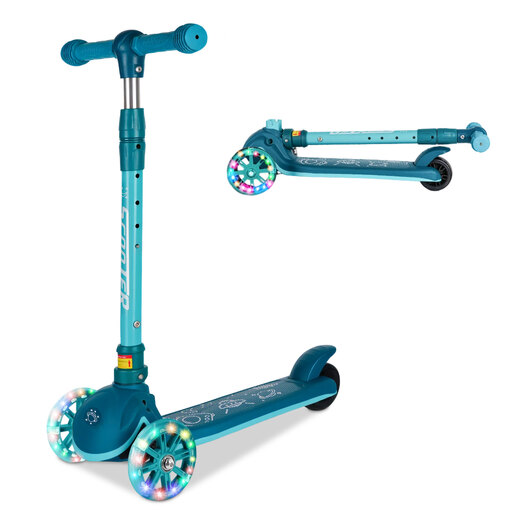
Why it's a great fit: Perfect for preschoolers getting their first experience on a scooter. The three wheels and lean-to-steer mechanism provide high stability and playfully promote a sense of balance without overwhelming the child.
The 3-wheel design prevents the frustration that arises from introducing 2-wheel scooters too early. The height-adjustable handlebar ensures the scooter won't be outgrown after one season.
Features a lean-to-steer system, an adjustable handlebar, and an anti-slip deck. The folding mechanism makes storage easy.
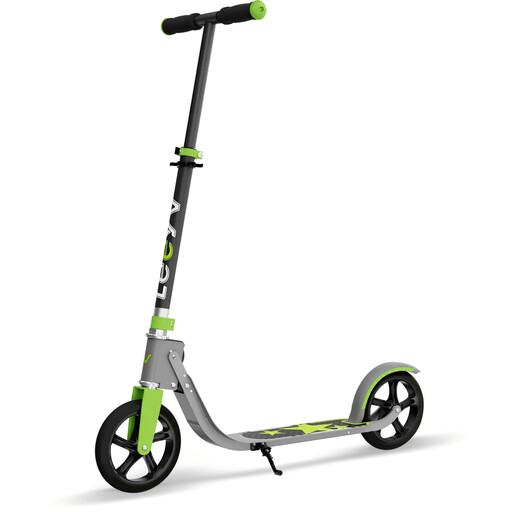
Why it's a great fit: Designed for older children who can already balance confidently. The large 205 mm wheels provide a smooth ride even on less-than-perfect surfaces and allow for higher speeds.
The robust aluminium and steel construction, along with a high maximum weight capacity of 100 kg (according to the manufacturer), make it a durable companion. The handlebar is adjustable to adapt as your child grows.
Large 205 mm PU wheels, a foldable design for easy transport, and a high weight limit that also allows for use by teenagers or adults.
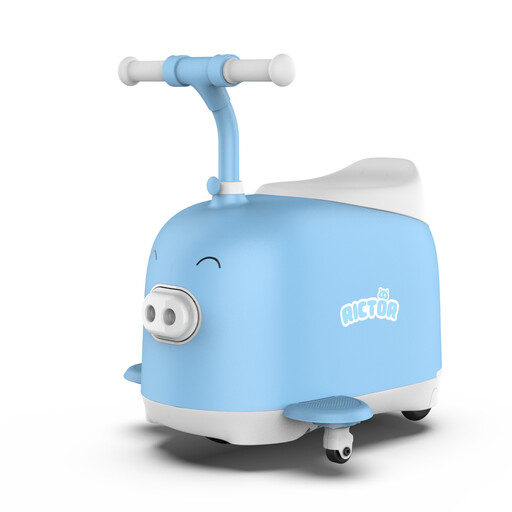
Why it's a great fit: This **electric scooter for kids** combines transportation with an interactive toy. It's designed for children fascinated by technology and offers parents control options via an app.
The 5-wheel system is designed for maximum anti-tip stability, addressing concerns about falls with motorised scooters. The app-controlled speed limit gives parents control over safety.
Features a 120W motor, app control for parents, a 5-wheel anti-tip system, and interchangeable modules for extra features like music or bubbles.
We've compiled a complete, up-to-date list of products that meet these strict selection criteria and current safety regulations.
A two-wheeled kick scooter for kids is generally a good choice from the age of about five or six. However, the deciding factor is not age alone, but the child's individual motor development. If your child can already ride a balance bike confidently and maintain their balance, they are likely ready to make the switch.
Scooters with light-up wheels are more than just a cool visual effect. The lights, generated by motion, increase the child's visibility at dusk or on overcast days. They don't require batteries, making them a maintenance-free addition that enhances both the fun factor and passive safety.
A regular, quick check-up ensures long-lasting safety and riding fun. Before each ride, check that all screws, especially on the handlebar and wheels, are tight. Test the brake function. Keep the scooter clean by wiping it with a damp cloth and store it in a dry place to protect the bearings and metal parts from corrosion.