
Lieferung heute & morgen

Qualitätsgarantie

Willkommens-Angebote freischalten: KOSTENLOSE Lieferung | Bis zu 80 % RABATT | Kostenlose 30-Tage-JoyPlus-Testphase
App herunterladen
Choosing a kids' scooter can quickly become overwhelming. The market is flooded with models promising long-lasting use and endless fun. In reality, however, many purchases turn out to be a poor fit because crucial details were overlooked. Before you make a decision, it's helpful to know the most common pitfalls that often lead to disappointment and unnecessary expense.
This guide focuses on the objective criteria that define a durable and safe kids' scooter. We'll highlight the key product features to help you make an informed choice that suits your child's age and abilities.
Many products are advertised with features that offer little real-world value or even compromise the scooter's longevity. Pay close attention to these three points:
To avoid a bad buy, you should focus on the fundamental, functional features. These three parameters are essential for safety, durability, and riding fun.
The number of wheels is the primary factor determining the scooter's stability. For first-time riders, this is the most important criterion.
A scooter that grows with your child is a sustainable investment. Two features are key here:
The quality of the components determines the scooter's lifespan and ride feel.
Here are some models that are tailored to specific use cases and avoid the pitfalls mentioned above.

Why it's a great fit: Ideal for first riding attempts. The four wheels provide maximum stability and minimise the risk of tipping. The removable seat allows the youngest children to use it as a ride-on toy before they transition to standing.
This model solves the stability problem (pitfall #3) with its four-wheel design and addresses the lack of adjustability (pitfall #1) with its seat and height-adjustable handlebar.
Maximum stability from four wheels; 2-in-1 function as a ride-on toy and scooter for extended use.
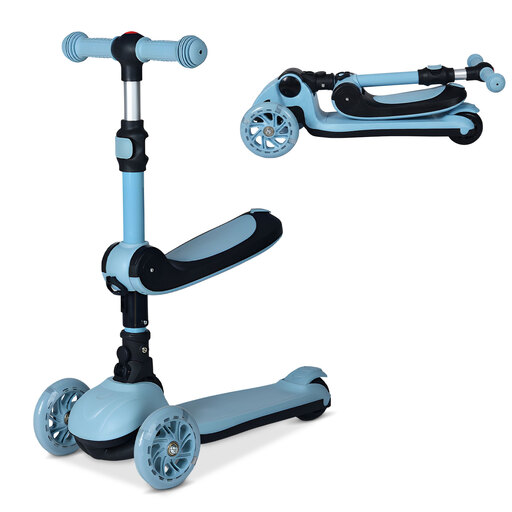
Why it's a great fit: A versatile companion for many years. The combination of a 3-wheel scooter, a removable seat, and a multi-stage adjustable handlebar covers a wide range of ages and developmental stages.
This model is a prime example of true adjustability (countering pitfall #1). The light-up features are integrated into the wheels and require no batteries, making them more durable than tacked-on gimmicks (countering pitfall #2).
True 3-in-1 functionality (seated and standing scooter) with a wide adjustment range; battery-free light-up wheels and light-up deck for increased visibility.
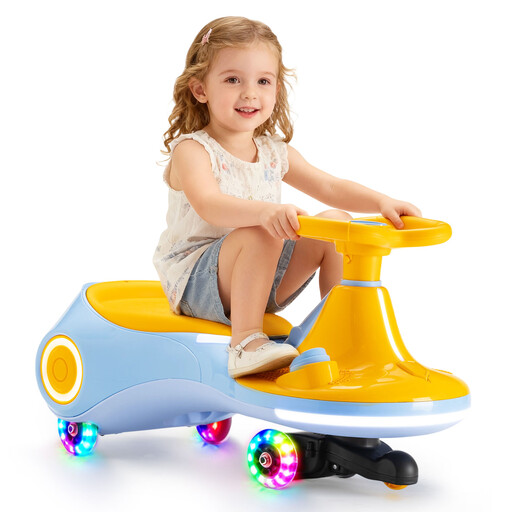
Why it's a great fit: For families looking for an alternative to the classic kick scooter. This Wiggle Car combines an electric drive with the typical side-to-side wiggle motion, offering a completely new riding experience.
As a specialty vehicle, it bypasses the typical pitfalls of standard scooters. Its value lies in the unique play concept and technical features like the battery-powered drive and music playback.
Combination of an electric scooter for kids and a wiggle drive; integrated Bluetooth function for playing music while riding.
We've compiled a complete, up-to-date list of products that meet these strict selection criteria and safety requirements.
Generally, scooters for ages 3 and up are a great option, especially models with 3 wheels or an integrated scooter with a seat. These provide the necessary stability for toddlers to safely develop balance and coordination. For classic two-wheeled scooters, an age of five to six is often more suitable, depending on the child's motor skills.
Look for recognised safety certifications like the CE mark, which confirms compliance with European safety standards. A sturdy, non-slip deck, a functional rear brake (usually a fender brake), and handlebars with padded grips or impact protectors are important safety features. The manufacturer's specified maximum weight capacity should always be respected.
Regularly check that all screws and connections are tight. Keep the wheels and bearings clean by removing dirt and dust. Store the scooter in a dry place to prevent corrosion on metal parts. For an electric scooter for kids, you should also follow the manufacturer's care instructions for the battery to maintain its capacity over the long term.