
Lieferung heute & morgen

Qualitätsgarantie

Willkommens-Angebote freischalten: KOSTENLOSE Lieferung | Bis zu 80 % RABATT | Kostenlose 30-Tage-JoyPlus-Testphase
App herunterladen
Choosing a kids' scooter can quickly become overwhelming. Many models look similar at first glance, but the details often hide flaws that can dampen the fun and compromise safety. Common frustrations include kick scooters that become useless after a few months because they don't grow with your child, or models with low-quality wheels that turn every ride into a bumpy ordeal. This guide will help you identify the crucial features and make an informed decision.
Before we dive into the important features, let's look at the typical problems that often only become apparent after the purchase.
To avoid the problems mentioned above, you should pay attention to a few key technical parameters. These are the primary factors that determine durability, safety, and riding enjoyment.
The choice between a 3-wheel scooter and a classic two-wheel model depends on the child's age and motor skill development.
A height-adjustable handlebar is not a luxury, but a necessity if you want the scooter to last for more than one season. Look for an adjustment range that can accommodate your child's growth for at least two to three years.
A foldable scooter also offers practical advantages. It can be stored compactly in a car trunk, a hallway, or even a school locker. A solid and easy-to-use folding mechanism is the defining quality feature here.
Here are a few models tailored to different needs and age groups that meet the criteria mentioned above.
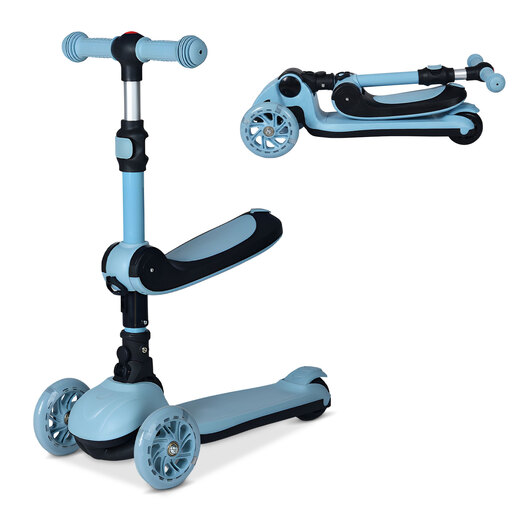
Why it's a great fit: Ideal for toddlers from 3 years old who are just starting out. The detachable seat allows them to use it while sitting, which eases them in and helps develop balance before they ride standing up.
The 3-wheel design and seat provide maximum stability, bypassing the problem of a wobbly scooter for beginners. The handlebar height is adjustable and grows with the child.
Combines the function of a ride-on toy and a kick scooter. Light-up wheels and a lighted deck increase the fun factor and visibility.
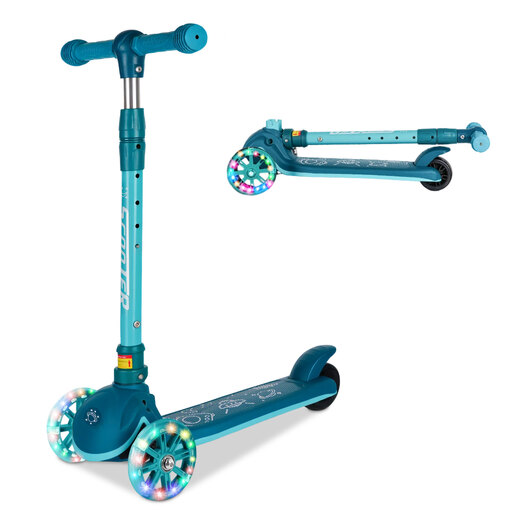
Why it's a great fit: A versatile companion for kids of elementary school age. The combination of stability, adjustability, and foldability makes it a practical choice for daily use and family outings.
Thanks to the height-adjustable handlebar, it avoids the "outgrown too quickly" trap. The folding mechanism also solves the problem of bulky storage.
Lean-to-steer mechanism promotes coordination. The wide, non-slip deck provides a secure platform for children in the specified 3-to-10-year age range.
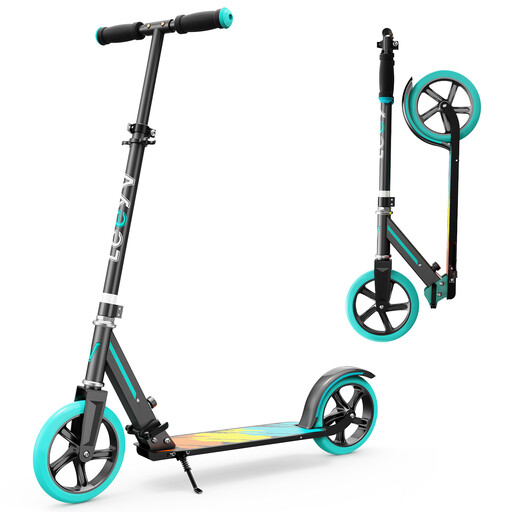
Why it's a great fit: Designed for experienced riders from age 6 into adulthood. The large 205 mm wheels allow for higher speeds and a smoother ride, making it ideal for longer distances like the school run.
The robust aluminum and steel construction and a high maximum load capacity of 100 kg (220 lbs) prevent the problems of low-quality scooters that buckle under the strain of older kids.
Large PU wheels for efficient gliding and an effective rear brake for excellent control. The scooter is foldable and the handlebar is height-adjustable, making it highly versatile.
We have compiled a comprehensive, up-to-date list of products that fully meet these strict selection criteria and all applicable safety requirements.
1. From what age is a kick scooter recommended for children? A 3-wheel scooter is often suitable for children from 3 years old, as it offers high stability and playfully promotes a sense of balance. Two-wheel models are generally suitable for children from around 5 to 6 years old who already have good balance and coordination.
2. What should I look for in terms of safety on a kids' scooter? Look for a CE marking, which confirms that the product meets EU safety standards. Key features include an effective brake, a non-slip deck, sturdy grips, and a robust frame construction. Regardless of the scooter, your child should always wear a proper helmet and, if necessary, protective gear for their knees and elbows.
3. How long do the light-up wheels on a scooter last? The light-up wheels on modern scooters typically operate without batteries, using a dynamo mechanism powered by the wheels' rotation. The lifespan of the LEDs is very long. Functionality primarily depends on the quality of the dynamo and the bearings. On high-quality models, the lights should work for the entire lifespan of the wheels.