
Lieferung heute & morgen

Qualitätsgarantie

Willkommens-Angebote freischalten: KOSTENLOSE Lieferung | Bis zu 80 % RABATT | Kostenlose 30-Tage-JoyPlus-Testphase
App herunterladen
A kids’ scooter should suit the child’s age, height and intended use. In practice, poor purchases are often caused not by missing features, but by unclear specifications: a scooter may look sturdy in product images, yet be too heavy for the child. A model with LED wheels may look appealing, but lack a suitable handlebar height. Or a supposedly foldable kids’ scooter may be awkward to transport.
The main pitfalls are:
A scooter from 3 years often has three or four wheels and a low, wide deck. This design can support the gradual development of balance. On many 3-wheel models, steering involves shifting body weight rather than turning the handlebar sharply.
For children from around six years old, 2-wheel models are often suitable. The key point is that the handlebar should be adjustable and sit roughly level with the lower chest while riding. A height-adjustable kids’ scooter can be used for longer, provided that the minimum and maximum handlebar heights genuinely suit the child.
A wide, non-slip deck makes it easier to position the foot securely. Check the following details:
Polyurethane wheels are generally quieter than hard plastic wheels when used on smooth paths. Large wheels can handle uneven surfaces more easily, but that does not automatically make the scooter suitable for every age. A rear brake should be easy to reach and checked to ensure it works before the first ride.
A foldable kids’ scooter is practical for families if it is regularly stored in the car, cellar or on public transport. The folding mechanism should operate without excessive force and lock securely when unfolded. The scooter’s own weight is also important: a child may not be able to carry a heavy scooter independently.
Depending on their design, kids’ scooters with LED wheels may not require batteries if the lights are activated by the wheels turning. Illuminated decks, on the other hand, may need batteries. Check whether batteries are included and whether small parts are kept out of reach of younger children.
The following models differ significantly in their recommended age, number of wheels, load capacity and intended use. The details are based on the respective product descriptions.
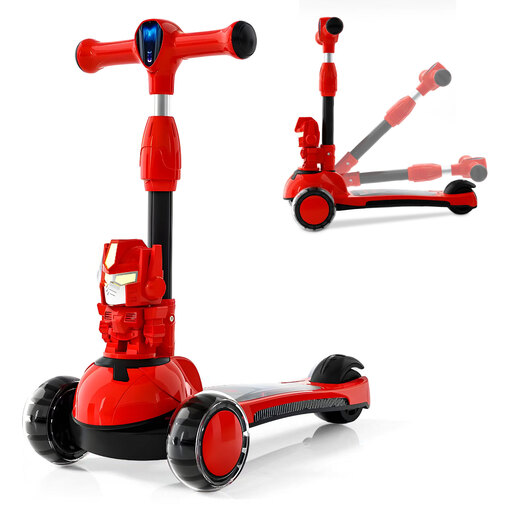
Why this product suits this profile: The 3-wheel design, wide non-slip surface and height-adjustable handlebar are aimed at younger children taking their first rides.
The product description explicitly states the recommended age, lean-to-steer control and adjustable handlebar. This makes it easier to assess the fit before buying.
Three wheels, a wide deck and illuminated wheels; the scooter is specified for boys and girls aged 3 to 10.

Why this product suits this profile: This 2-wheel model features an adjustable handlebar, polyurethane wheels, a rear brake and a folding design for older children, teenagers and adults.
The specifications state the wheel size, frame material, handlebar, brake and load capacity of up to 220 pounds or around 100 kg.
205-mm polyurethane wheels, folding frame, adjustable handlebar and non-slip grips.
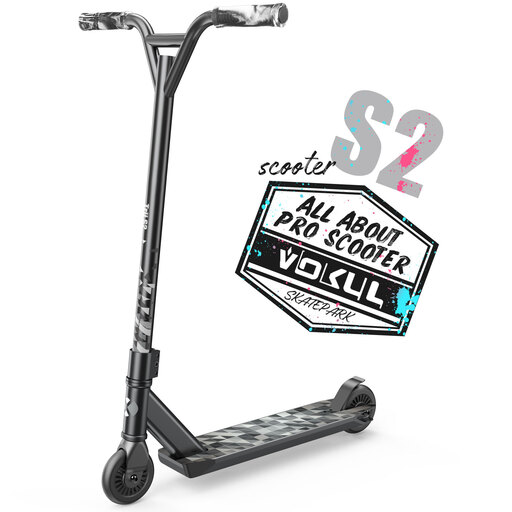
Why this product suits this profile: This stunt scooter for children and teenagers from around 7 years old is designed for skate parks and performing tricks, not for slow beginner rides by toddlers.
The fixed handlebar construction and rigid chassis match the stated use for tricks. This avoids creating false expectations about comfort or foldability.
6061 aluminium deck, 4130 chromoly handlebar, 100-mm polyurethane wheels and triple clamp; specified for users aged 7 to 14.
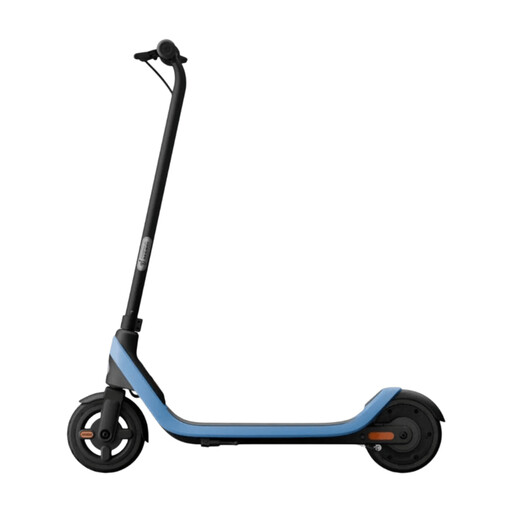
Why this product suits this profile: According to the product description, this electric scooter for children is intended for 6- to 10-year-olds with a height of 115 to 145 cm and offers three riding modes.
The product data states the speed, range, charging time, maximum load of 50 kg and usage restrictions. It also explicitly points out that the scooter is not approved for public roads.
130-W motor, three riding modes, 7-inch solid tyres, folding function and IPX4 splash protection.
We have put together a complete, regularly updated list of products that fully meet these strict selection criteria and the safety regulations applicable in the EU.
Regardless of the model, parents should carry out a quick check before every use:
A kids’ scooter is generally intended for suitable, level surfaces. Riding near traffic, stairs or very uneven ground should be avoided. With an electric scooter, you must also follow the instructions for use and the applicable German traffic regulations. According to the product information, the Segway-Ninebot model is not approved for public roads.
For younger children, 3-wheel kids’ scooters with a wide deck, low footboard and lean-to-steer control are often suitable. You should also check the child’s height, handlebar adjustment and maximum load capacity. The manufacturer’s age recommendation is only a starting point.
The service life depends on the materials, care, level of use and the child’s growth. An adjustable handlebar can extend the period of use. If there are visible cracks, a loose handlebar, damaged wheels or a brake that is difficult to operate, the scooter should no longer be used.
With a traditional kick scooter for children, the main costs are for wear parts such as wheels, bearings or brake pads. An electric scooter also requires electricity for charging and regular checks of the battery, charger, tyres or solid tyres and brake. For both types, cleaning and tightening screws are part of routine maintenance.