
Lieferung heute & morgen

Qualitätsgarantie

Willkommens-Angebote freischalten: KOSTENLOSE Lieferung | Bis zu 80 % RABATT | Kostenlose 30-Tage-JoyPlus-Testphase
App herunterladen
As a Joybuy Product Recommendation Officer, I see parents every day searching for the ideal solution to create a kids' room that is both tidy and stimulating. The right kids' shelf is often the key. However, the selection is vast, and not every model lives up to its promise. This guide will help you avoid common purchasing pitfalls and make an informed decision that prioritizes your child's safety, functionality, and joy.
Before we dive into the essential features, let's look at the three most common problems that lead to frustration and unnecessary expense.
To avoid these pitfalls, focus on three essential features. These form the foundation for safe and functional kids' room storage.
Your child's safety is the top priority. Therefore, pay attention to the following points:
A good kids' shelf is tailored to your child's size and abilities. A Montessori shelf is a great example of this. Its principles can be applied to many types of shelving:
Consider what exactly needs to be stored. The requirements for a pure bookshelf differ from those for a combined toy storage unit.
Here are some models tailored to different needs and room situations that meet the criteria mentioned above.
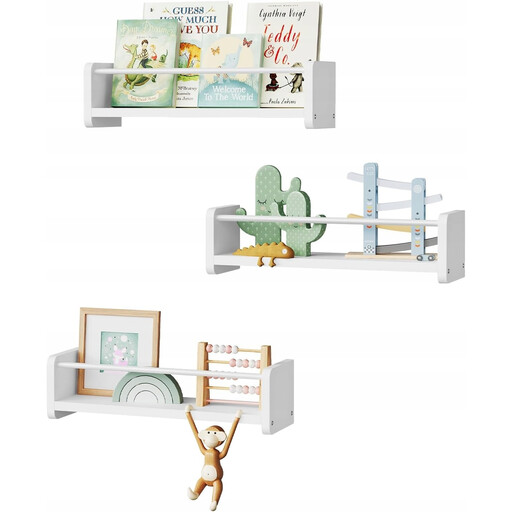
Why This Fits Their Persona: Ideal for parents looking to free up valuable floor space in smaller kids' rooms. The shelves efficiently use wall space for books, Tonie figures, or small decorations.
Secure wall mounting eliminates the tipping hazard from the start. The metal bar acts as a barrier, preventing books or toys from falling off.
Flexible installation (e.g., staggered or stacked), utilizes vertical space, modern and minimalist design.
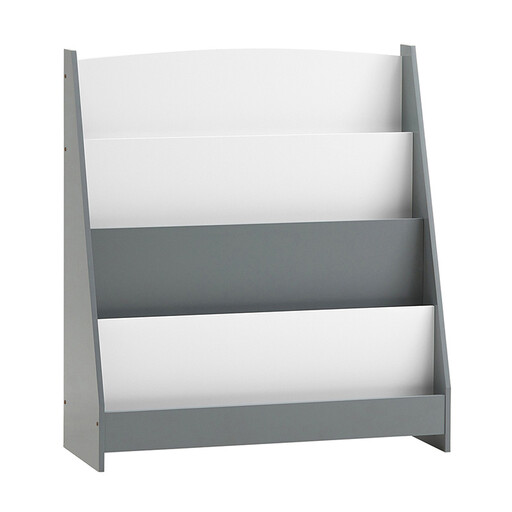
Why This Fits Their Persona: Perfect for parents who want to actively encourage their child's independence and love of reading. The books are displayed front-facing and are easily accessible.
The design is explicitly tailored for use by children, avoiding the pitfall of an impractical, overly tall shelf. Rounded corners and included anti-tip hardware address key safety aspects.
Promotes independence, child-friendly height (88 cm), includes anti-tip hardware for added safety.
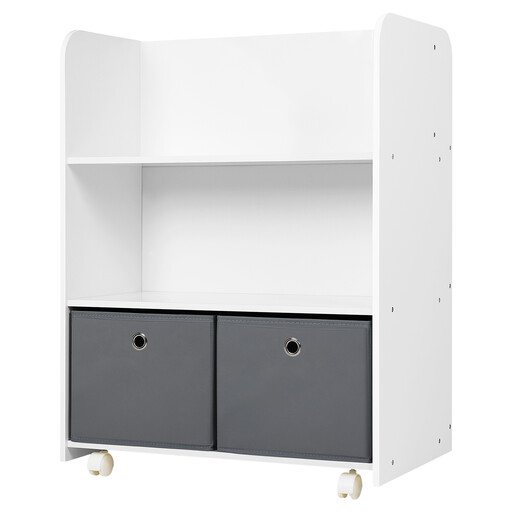
Why This Fits Their Persona: A practical choice for families seeking a combined solution for books and toys. The casters allow the shelf to be flexibly positioned around the room, wherever it's needed.
The double-sided design with dedicated slots for books and bins for toys is highly functional, preventing everything from ending up unsorted in one deep compartment. It provides a clear structure that children can understand.
Double-sided use, mobile on casters, includes fabric bins for small items, and comes with anti-tip hardware for wall mounting.
We've curated a complete, up-to-date list of products that fully meet these strict selection criteria and safety regulations.
Any freestanding shelf intended for a child's room should be secured to the wall with an anti-tip device. This usually consists of a bracket or a strap that is screwed to both the shelf and the wall. Follow the manufacturer's assembly instructions exactly. Choose wall anchors and screws that are appropriate for your wall type (e.g., concrete, drywall).
A Montessori shelf is beneficial for toddlers from around 1.5 to 2 years old, as soon as they can stand and walk confidently. The low height and front-facing book display allow them to independently access their reading material, which promotes cognitive development and a love for books from an early age.
Both materials have their advantages. Solid wood is very robust, durable, and has a natural appeal. MDF (Medium-Density Fiberboard) panels, especially those of E1 grade, are a more affordable yet sturdy alternative. They can be easily painted and shaped. For both, what's important is high-quality, child-safe construction with no sharp edges and a non-toxic surface finish.