
Lieferung heute & morgen

Qualitätsgarantie

Willkommens-Angebote freischalten: KOSTENLOSE Lieferung | Bis zu 80 % RABATT | Kostenlose 30-Tage-JoyPlus-Testphase
App herunterladen
Choosing the right kids' shoes can be a challenge. Children's feet grow quickly, and the market offers an overwhelming variety of models, brands, and materials. Many parents invest in shoes that soon become too tight, wear out fast, or are simply impractical for a child's daily life. This not only leads to unnecessary expenses but can also compromise the comfort and healthy development of your child's feet.
This guide focuses on the essential criteria that truly matter when buying shoes for children. We'll highlight common pitfalls and show you what to look for to make an informed decision—beyond fleeting trends and marketing promises.
Before we dive into the key features, it's helpful to understand the most common mistakes. These often lead to disappointment and repeat purchases.
To avoid these pitfalls, you should focus on three objective parameters. These will help you assess the quality and suitability of a shoe for your child.
The upper material largely determines breathability, durability, and ease of care.
The correct fit is essential for comfortable kids' shoes. Measure your child's feet regularly while they are standing. There should be about a thumb's width (approx. 12–15 mm) of space between the longest toe and the tip of the shoe. This "growth room" is necessary to allow the feet to roll forward when walking and to leave space for growth. Also, pay attention to the shoe's width; it should securely hug the foot without constricting it.
The sole should be pliable, especially in the forefoot area. You can test this by taking the shoe in your hand and trying to bend it. A flexible sole allows for natural foot movement. Light cushioning, often achieved with EVA midsoles, protects the joints during jumping and running without making the shoe unnecessarily heavy.
Based on the criteria above, we have curated a few models for different activity profiles.
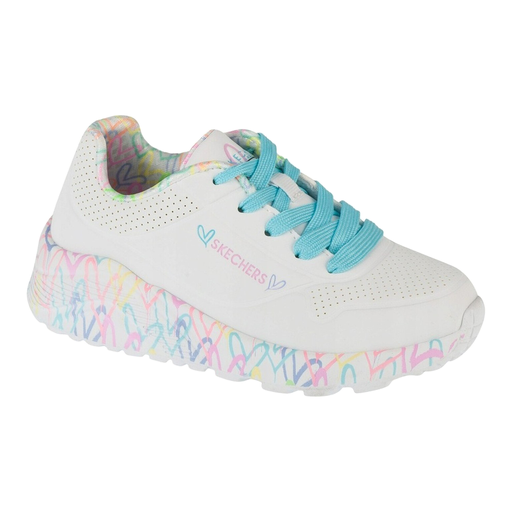
Why This Fits Their Persona: Ideal for kids who play outside a lot. The shoe combines a classic sneaker design with materials built for daily use. It offers comfort for hours of wear and is durable enough for the playground.
The high-quality faux leather upper is low-maintenance and resilient. Unlike delicate fabric shoes, it can be easily wiped clean and stays looking good for longer.
The combination of durable material and a flexible, comfortable sole makes it a reliable all-rounder for everyday life.
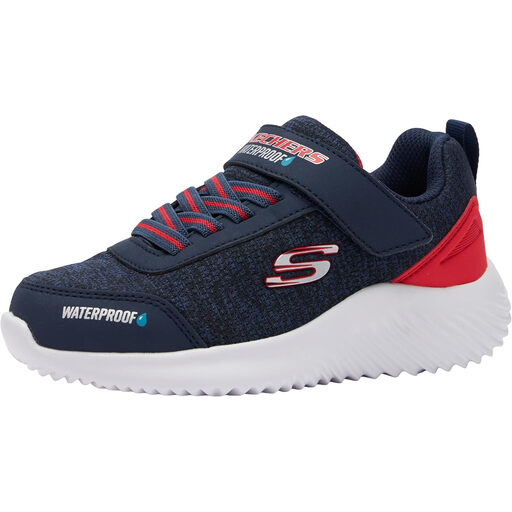
Why This Fits Their Persona: Perfect for kids who are always on the move. This kids' sneaker is lightweight and breathable, ideal for school sports or playing outdoors. The sporty design appeals to active boys and girls.
The textile upper avoids the pitfall of unsuitable materials. It's breathable and prevents excessive sweating, significantly increasing comfort during activity.
The lightweight construction and flexible sole support natural movement and prevent foot fatigue, even on long, active days.
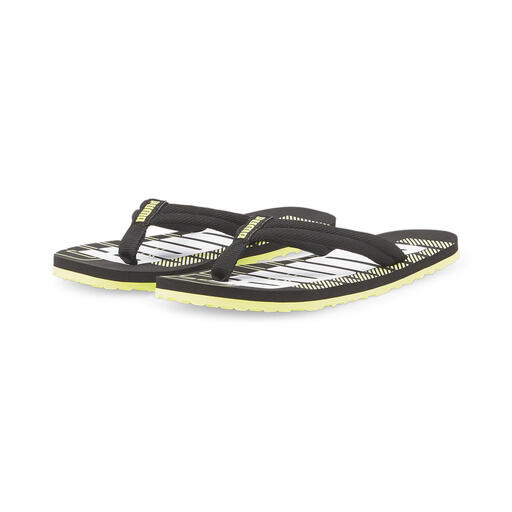
Why This Fits Their Persona: These kids' sandals are designed for warm days. They are airy, easy to put on, and offer safety and comfort by the pool, at the beach, or in the garden, thanks to the moulded footbed and non-slip sole.
Instead of a flat, hard sole, this model features a soft, contoured EVA footbed. According to Puma, the CMEVA midsole provides cushioning with minimal weight.
The non-slip outsole pattern provides grip on various surfaces. The woven textile straps are durable and comfortable against the skin.
We have compiled a complete, up-to-date list of products that meet these strict selection criteria and comply with current safety regulations.
1. How often should you check a child's shoe size? For toddlers (1–3 years), it's recommended to check every 6–8 weeks. For preschool and primary school children (3–10 years), checking the fit every 3–4 months is usually sufficient. Since growth happens in spurts, regular checks are important.
2. Are more expensive kids' shoes from brands like Skechers or Puma always the better choice? A higher price or a well-known brand name is not an automatic guarantee of quality. The crucial factors are the materials used, the craftsmanship, and the fit. Brands like Skechers kids' shoes and Puma kids' shoes often offer well-designed features like cushioned soles or lightweight materials, but the rule still applies: the shoe must fit the foot and the intended use. Focus on the objective criteria rather than just the price.
3. How do you properly clean kids' shoes made from different materials?