
Lieferung heute & morgen

Qualitätsgarantie

Willkommens-Angebote freischalten: KOSTENLOSE Lieferung | Bis zu 80 % RABATT | Kostenlose 30-Tage-JoyPlus-Testphase
App herunterladen
Choosing the right kids' shoes can be a challenge. The market is filled with tempting designs and marketing promises, but not every shoe that looks good also supports the healthy development of children's feet. Many parents quickly find that the expensive shoes they bought are uncomfortable, wear out quickly, or are simply impractical for everyday life.
This guide will help you identify common purchasing pitfalls and make an informed decision. We focus on the objective criteria that are crucial for comfort, durability, and the right fit.
The 3 Most Common Mistakes When Buying Kids' Shoes:
To avoid a bad purchase, you should focus on verifiable features rather than being swayed by fleeting trends.
The right fit is everything. A well-fitting shoe provides support without restricting the foot's natural movement.
The material significantly determines a shoe's durability and comfort. For comfortable casual shoes for kids, robust and low-maintenance materials are particularly advantageous.
A good kids' shoe should promote a child's independence.
Here are some models that are well-suited for different use cases based on objective features.
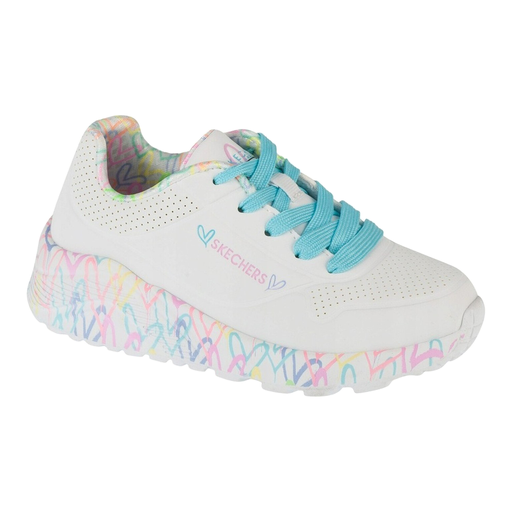
Why This Fits Their Persona: Ideal for kids who play outside a lot and need a durable companion. The shoe is designed for daily use and can withstand intense activity on the playground.
The faux leather upper is durable and easy to wipe clean. This avoids the trap of a delicate material that quickly looks worn out.
Material: High-quality faux leather for durability and flexibility. Care: Easy to clean with a damp cloth.
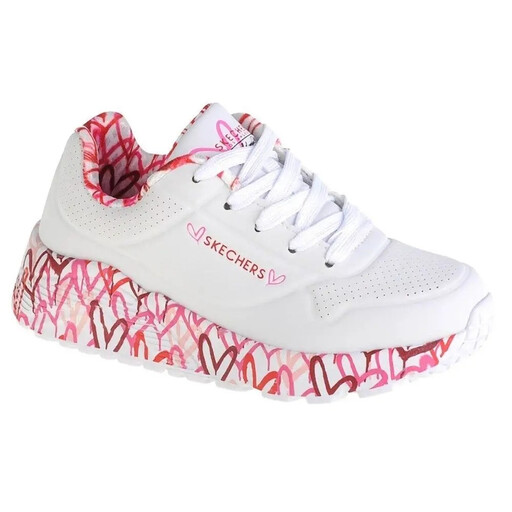
Why This Fits Their Persona: Perfect for girls' shoes that need to combine fashionable design with comfort. The heart details make these sneakers for girls an eye-catcher without compromising on functionality.
Despite the fashionable white design, the synthetic material is easy to care for. It avoids the trap of a chic but impractical shoe that quickly becomes unsightly.
Design: Appealing look with playful details. Material: Durable and easy-to-clean synthetic.
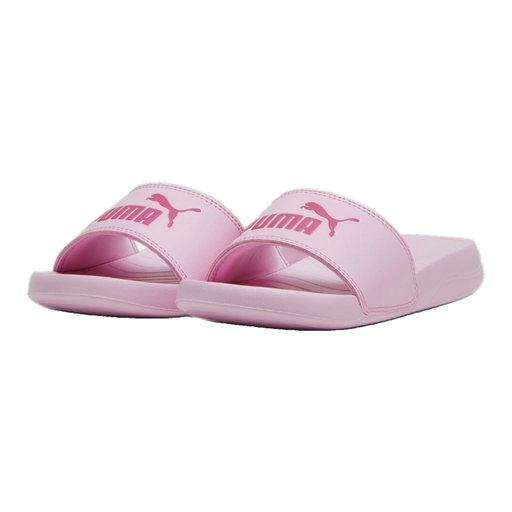
Why This Fits Their Persona: These swim shoes for kids are the perfect choice for the beach, the pool, or as slippers in the summer. They are extremely lightweight and can be easily put on and taken off by children themselves.
This model avoids the trap of complicated fastenings. Designed as a slip-on, it promotes the child's independence and is maximally practical for everyday use.
Material: Waterproof and lightweight EVA sole. Fastening: Simple slip-on style for maximum independence.
We've compiled a complete, up-to-date list of products that fully meet these strict selection criteria and safety regulations.
For children aged 3 to 6, it is recommended to check the fit of their shoes every two to three months. For older children up to about age 10, a check every four to five months is usually sufficient. A quick test is to place your thumb sideways in front of their toes—if it fits inside the shoe, the growth room is generally adequate.
Yes, modern synthetic materials offer many advantages. They are often lighter, more breathable, and significantly easier to care for than natural leather. For a child's active daily life, which involves a lot of dirt and wear, a durable and wipeable synthetic material is a very practical choice.
For white kids' shoes made of smooth plastic or faux leather, a damp cloth with a little mild soap is usually sufficient. Stubborn stains on the rubber sole can often be removed with a magic eraser. It's important not to wash the shoes in the washing machine or dry them on a heater, as this can damage the material. Air drying is the gentlest method.