
Lieferung heute & morgen

Qualitätsgarantie

Willkommens-Angebote freischalten: KOSTENLOSE Lieferung | Bis zu 80 % RABATT | Kostenlose 30-Tage-JoyPlus-Testphase
App herunterladen
Choosing the right kids' shoes can be a challenge. The market is filled with tempting designs and marketing promises, but not every shoe that looks good also supports the healthy development of children's feet. As a Joybuy Product Recommendation Officer, I'm here to filter out the noise and provide you with the essential information you need to make an informed decision and avoid common purchasing traps.
Many parents invest in shoes that become uncomfortable or wear out prematurely after just a few weeks. This is often due to three common misconceptions:
To avoid a poor purchase, you should focus on objective criteria. Three parameters are crucial for the quality, comfort, and longevity of kids' shoes.
The correct fit is paramount. Don't rely solely on the listed EU size, as it can vary between manufacturers.
The material affects comfort, durability, and maintenance. Instead of favouring one material across the board, the choice should depend on the intended use.
The sole is of central importance for safety and comfort. Look for two key properties:
Based on these objective criteria, we have identified several models that are well-suited for specific requirement profiles.

Why this model is a great fit: Ideal for children who need a reliable shoe for school, the playground, and leisure time. The design is fashionable, but functionality is the priority. This shoe is a classic all-rounder for girls' footwear.
This model avoids the "neglected sole" trap with a flexible outsole and a cushioned insole, providing all-day comfort and support.
The low-maintenance synthetic upper makes these Skechers trainers for girls especially practical for everyday use. The manufacturer's detailed size chart helps to avoid the sizing trap.
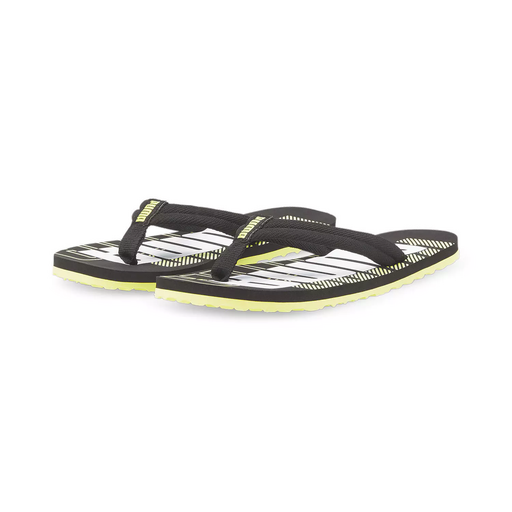
Why this model is a great fit: Perfect for the beach, the pool, or as airy kids' summer shoes. The focus is on safety on wet surfaces and comfort in warm weather.
This model directly addresses the "neglected sole" trap with a non-slip outsole structure. The soft EVA footbed and lightweight CMEVA midsole provide cushioning without unnecessary weight.
The combination of woven textile straps and a contoured footbed ensures a secure fit, even during active movement. Ideal as kids' swim shoes or as lightweight Puma kids' sandals.
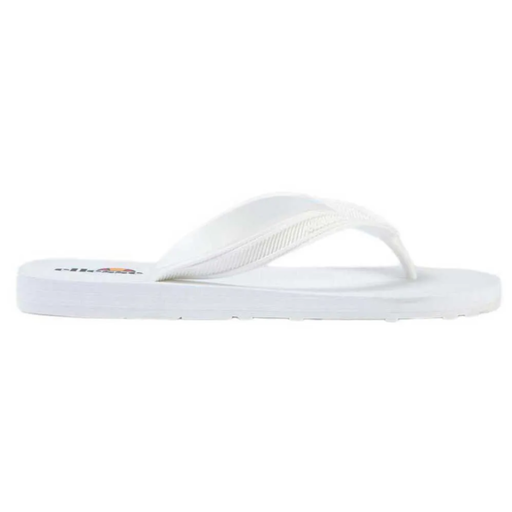
Why this model is a great fit: For older children and teenagers for whom style plays a bigger role. These classic white trainers for kids combine a timeless design with the practical demands of everyday life.
This model debunks the "material myth." Its synthetic construction is not only durable but also significantly easier to clean than many natural materials—a crucial advantage for white shoes.
The combination of classic aesthetics and robust construction makes these Ellesse kids' shoes a versatile choice that pairs well with both sporty and casual outfits.
We have compiled a complete, up-to-date list of products that fully meet these strict selection criteria and all relevant safety standards.
For toddlers (up to 3 years old), it is recommended to measure their feet every two to three months. For children aged 4 to 6, checking every four months is usually sufficient. From primary school age onwards, checking the fit every six months is typically enough. A simple test: if there is less than a thumb's width of space between the longest toe and the tip of the shoe, it's time for a new pair.
Modern light-up shoes for girls or boys, such as models from Skechers, are designed so that the electronics and lights do not compromise the shoe's functionality. Ensure that the sole remains flexible despite the lights and that the shoe offers a good overall fit. For example, models from the Skechers Uno Lite or Eternal Heart Lights series combine appealing light effects with a proven, comfortable shoe construction.
Caring for white trainers for kids made from synthetic materials is straightforward. Coarse dirt can be removed with a soft brush. Afterwards, wipe the shoe with a damp cloth and a mild soap solution. Avoid using the washing machine, as this can damage the glued components and the shape of the shoe. Let the shoes air-dry, but not in direct sunlight or on a radiator.