
Lieferung heute & morgen

Qualitätsgarantie

Willkommens-Angebote freischalten: KOSTENLOSE Lieferung | Bis zu 80 % RABATT | Kostenlose 30-Tage-JoyPlus-Testphase
App herunterladen
Kimchi and pickled cabbage complement a wide range of dishes: Korean kimchi with rice and noodles, sauerkraut with hearty meals, or pickled red cabbage with classic German dishes. The online selection ranges from small tins to large jars. However, there are significant differences in heat, ingredients, fermentation and storage.
If you want to buy kimchi, you should not be guided solely by terms such as “traditional”, “authentic” or “mild”. The information on the label and how you plan to use the product are what really matter.
Kimchi may be naturally fermented, acidified or preserved with additional acidity regulators. Sauerkraut and pickled cabbage also differ in how they are made. A product containing vinegar often tastes noticeably more acidic, while fermented cabbage can develop a different flavour profile.
It is worth checking the ingredients list:
The term “kimchi” alone does not indicate whether a product is vegan or which fermentation method was used.
Not every Chinese cabbage kimchi is vegan. Fish sauce and fermented prawns are ingredients in some recipes. Anyone following a plant-based diet should look for an explicit label such as “vegan” and also check the allergen information.
Soy may also be present in seasoning sauces. Some products also indicate the presence of fish, crustaceans or wheat. The binding ingredients list on the individual packaging takes precedence over general product descriptions.
Many tins, jars and bottles can be stored at room temperature while unopened. Once opened, the situation changes:
A large 720-ml jar is practical for families or regular users. For occasional meals, 100 to 215 g may be more suitable, leaving less product unused after opening.
Typical ingredients in classic Chinese cabbage kimchi include cabbage, chilli, garlic, ginger and other seasonings. Vegan kimchi is seasoned without fish or seafood. Sempio Canned Kimchi Original Ambient 160 g is described as vegan and gluten-free and contains soy. According to the product information, Bibigo Kimchi Ambient Vegan 150 g is vegan and halal-certified, but also lists soy as an allergen.
“Vegan” and “vegetarian” should not be treated as interchangeable. Vegetarian sauerkraut, for example, may contain wine or other ingredients that are unsuitable for every diet.
Spicy kimchi generally contains chilli and can have a bold flavour from garlic, ginger and fermented seasoning sauces. Mild kimchi or pickled white cabbage is better suited as a versatile side dish when you want the cabbage itself to take centre stage.
Pickled red cabbage is often seasoned with a sweet-and-sour flavour and goes well with roasts, sausages, salads or sandwiches. Sauerkraut usually has a more acidic, heartier profile and can be served cold or warmed.
Tins and jars protect the contents during storage and are practical for kitchen cupboards. Before ordering, check:
Kimchi served as a side dish can be enjoyed straight away with rice, ramen, noodles or grilled dishes. Products whose pieces and seasoning stand up well to heating are also suitable for kimchi jjigae, fried rice and stir-fries.
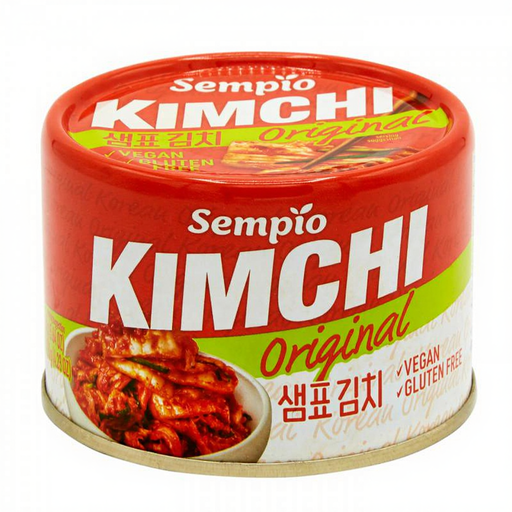
Why this product suits this profile: The 160-g tin offers a manageable quantity for beginners and can be stored at room temperature while unopened. According to the product information, the kimchi is vegan and gluten-free.
The ingredients and allergen information explicitly lists soy. This makes it easier to assess whether the product is suitable before buying.
Vegan, gluten-free according to the product information, ready to eat and listed as containing 36 kcal per 100 g.
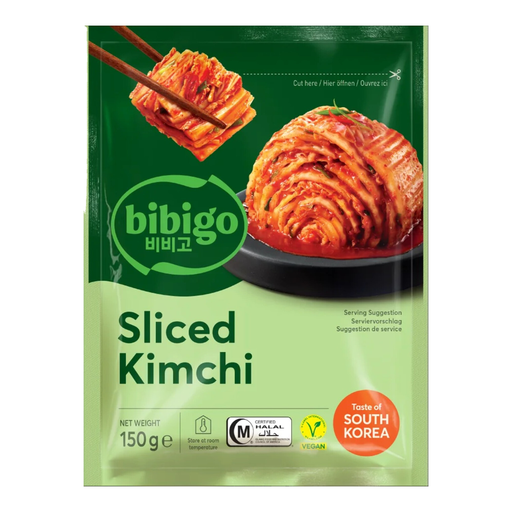
Why this product suits this profile: This compact portion is plant-based, halal-certified according to the product information and can be stored away from light at room temperature while unopened.
The vegan labelling helps you avoid hidden animal ingredients such as fish sauce or prawns. Soy still needs to be taken into account as an allergen.
Bite-sized pieces, a 150-g format and versatile use as a side dish, topping or ingredient.
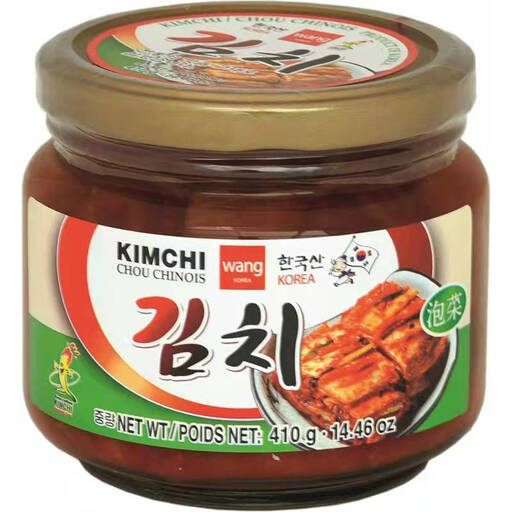
Why this product suits this profile: At 410 g, this kimchi is suitable for households that regularly prepare Korean dishes, rice dishes or soups.
The storage instructions for unopened goods at room temperature make it easier to keep in your cupboard. Once opened, follow the stated refrigeration and consumption instructions.
410-g pack, 66% cabbage according to the product information and versatile use as a side dish or cooking ingredient.
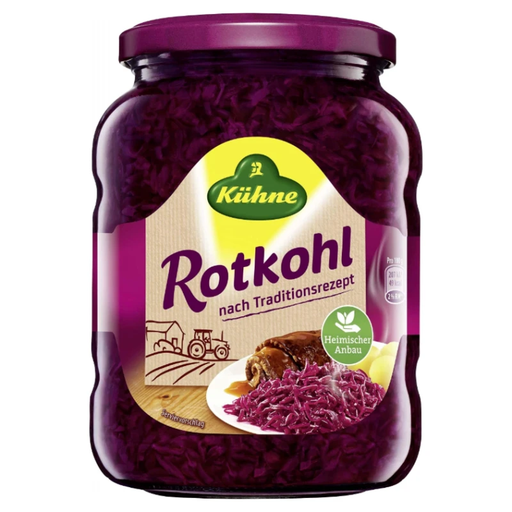
Why this product suits this profile: The 720-ml jar is designed for classic meals and can be served cold with meat dishes, salads or sandwiches.
Its clear focus on pickled red cabbage prevents it from being confused with spicy kimchi or fermented white cabbage.
720-ml jar, sweet-and-sour flavour profile according to the product description and versatile classic uses.
We have put together a complete, regularly updated list of products that fully meet these strict selection criteria and the safety regulations applicable in the EU.
No. The level of heat depends mainly on the amount and type of chilli used, as well as the seasoning. Milder varieties may contain less chilli, while products with chilli, garlic and ginger have a much bolder flavour. The ingredients list and product description provide guidance, but there is no standardised heat scale.
That depends on the product. Some manufacturers recommend refrigerating opened kimchi and consuming it within a few days. Other products specify particular time periods. The instructions on the label are decisive. Once opened, a pickled product should be sealed properly and served using clean utensils.
Kimchi is usually made from Chinese cabbage with chilli, garlic, ginger and other seasonings. Sauerkraut is typically based on finely sliced white cabbage and has a milder, more acidic profile. Pickled red cabbage is often prepared with vinegar and a sweet seasoning. All three are Asian or European cabbage products, but their flavours are not interchangeable.