
Lieferung heute & morgen

Qualitätsgarantie

Willkommens-Angebote freischalten: KOSTENLOSE Lieferung | Bis zu 80 % RABATT | Kostenlose 30-Tage-JoyPlus-Testphase
App herunterladen
By a Joybuy Product Recommendation OfficerDate: 2026-07-18
The craving for a quick, warm, and flavor-packed meal is a familiar one, whether it's during a lunch break, after a long day at work, or in the middle of a study session. Kimchi instant noodles have emerged as a popular option, combining the convenience of instant noodles with the characteristically spicy and sour taste of kimchi, Korea's fermented national dish.
This article serves as your guide. It introduces a variety of products and provides practical information to help you make an informed purchasing decision that suits your taste preferences and practical needs.
The selection of instant noodles is vast. To find the right product for you, the following criteria can help guide your decision.
The choice of packaging depends on your lifestyle. An instant noodle bowl is especially convenient, as it serves as both a cooking and eating vessel. You only need hot water, making it ideal for the office, university, or when you're on the go. The classic packet, on the other hand, offers more flexibility. You can prepare the noodles in your own pot or bowl, giving you the option to precisely measure the water or add other ingredients.
Not all spicy instant noodles are created equal. The flavor of kimchi noodles is defined by a complex blend of heat (often from chili flakes), sourness (from fermentation), and umami. Products from Korean manufacturers like Nongshim Kimchi often hew closely to the traditional flavor of a Korean noodle soup (Ramyun). Other brands may offer a milder or differently seasoned interpretation. A look at the ingredients list can provide insight into the spices used, such as garlic, ginger, or gochujang (Korean chili paste).
The quality of the noodles themselves is crucial for the eating experience. Some noodles are thicker and chewier, while others are thinner and softer. Manufacturers use different recipes and production methods to achieve a specific firmness. It's also worth checking the included sachets: do they contain dried kimchi pieces and vegetables for more texture, or is it purely a seasoning powder? Those looking to buy authentic ramyun often pay attention to such details.
Here is a selection of products that cover different flavor profiles and packaging formats.
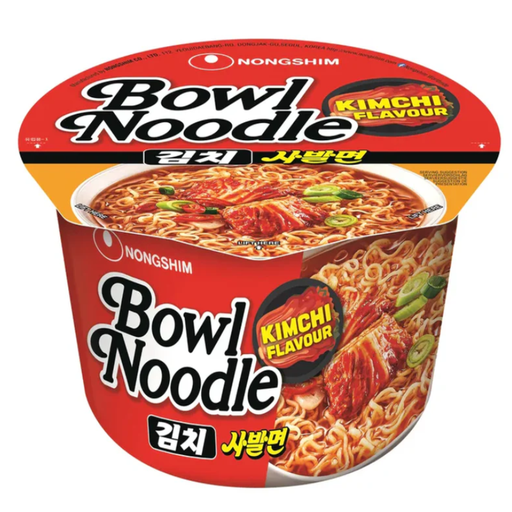
Why it stands out: This product from Nongshim, a renowned brand from South Korea, delivers the classic kimchi flavor in an extremely convenient bowl format. Preparation requires minimal effort and no extra dishes.
Pros:
Who is it for? Ideal for students, professionals, and anyone looking for a quick, uncomplicated, yet flavorful meal for a lunch break or a snack.
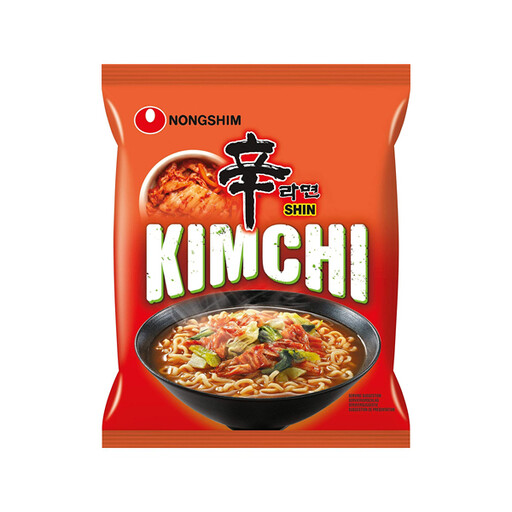
Why it stands out: This is the classic packet version of Nongshim Kimchi Ramyun. It offers a slightly larger portion and the flexibility to prepare the Korean noodle soup to your own liking in your home kitchen.
Pros:
Who is it for? For lovers of Korean cuisine who enjoy preparing their noodle soup in a pot and customizing it to their taste.
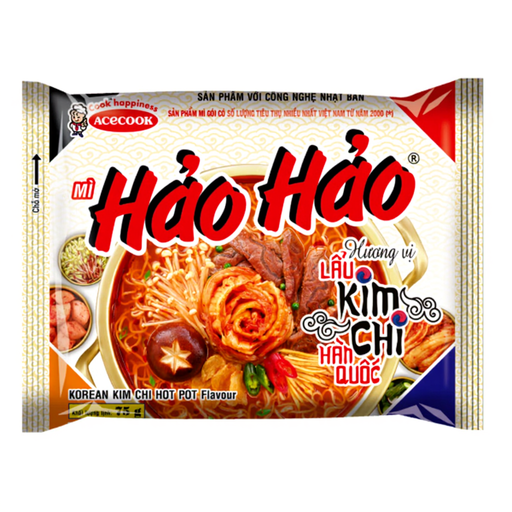
Why it stands out: HaoHao, a brand from Acecook Vietnam, offers an interesting take on the kimchi flavor. It combines the familiar texture of HaoHao noodles with a spicy kimchi note, resulting in a distinct flavor experience.
Pros:
Who is it for? For the curious who enjoy trying new flavor variations, or for those who prefer a smaller portion size for a quick snack.
Our focus here is on noodles, but a well-organized kitchen can make preparing any meal easier. If you're looking for thoughtful storage solutions for your pantry, our selection of leather boxes might be of interest to you.
The spice level varies by brand and product line. Korean brands like Nongshim are often known for a distinct yet balanced heat. However, spice perception is subjective. A tip: start with the amount of water recommended on the package. If the soup is too intense for you, you can add a little more water next time.
Yes, absolutely. Instant noodle soups are an excellent base for creative additions. Popular toppings include:
Although both terms refer to noodle soups, there is a geographical and culinary distinction. Ramyun (??) is the Korean term and refers almost exclusively to instant noodles, which are often known for their robust and spicy broths. Ramen (ラーメン) is the Japanese term, which can mean both instant noodles and elaborately prepared, fresh noodle soup dishes found in restaurants. Japanese ramen broths are typically based on miso, soy sauce (shoyu), salt (shio), or pork bone (tonkotsu) and are generally less spicy than Korean ramyun.