
当日/次日达

品质保障

开启新人专享福利: 全场免邮 | 低至 2 折 | 免费试用 30 天 JoyPlus 会员
下载 Joybuy
Kimchi ramen has evolved from a niche product into a staple in many kitchens. The combination of a spicy, fermented kimchi broth and satisfying noodles offers a quick and flavourful meal. However, when buying kimchi ramen online, there are a few pitfalls that can lead to disappointment. Many products overpromise and underdeliver, varying significantly in quality and taste.
This guide will help you separate the wheat from the chaff. We'll show you what to look for to avoid falling for empty marketing promises and make an informed purchasing decision.
The selection is vast, but not every product delivers the expected flavour experience. Pay attention to these two points to avoid buyer's remorse:
To find the right kimchi noodle soup, you should check three key parameters. These will help you objectively evaluate product features and make a selection that meets your needs.
The foundation of any good instant noodle soup is the noodles themselves. Most products are based on wheat flour. Look for additives like potato starch, which provide a better texture.
For those on a low-carb or ketogenic diet, alternatives are now available. Kimchi konjac noodles are one such option. Made from the konjac root, they are virtually free of calories and carbohydrates and have a firm, slightly rubbery texture. They are a great choice for health-conscious buyers but offer a different mouthfeel than classic wheat noodles.
The type of seasoning significantly defines the flavour. There are three main forms:
The choice of packaging depends on your lifestyle:
Here are some recommendations tailored to different needs and preferences.
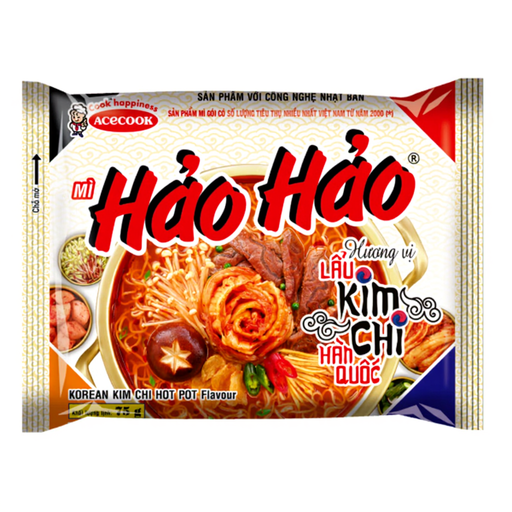
Why this product is a good fit: A straightforward and very affordable option for anyone looking for a quick, spicy snack. Its 3-minute preparation time makes it a practical choice for a short lunch break.
The product is transparent about using kimchi powder and artificial flavouring. It doesn't promise a "homemade" taste but delivers a solid, flavourful broth that meets expectations for its price point.
According to the manufacturer, Acecook, the noodles are made with Japanese technology to ensure they don't disintegrate in the hot soup. The value for money is the deciding factor here.
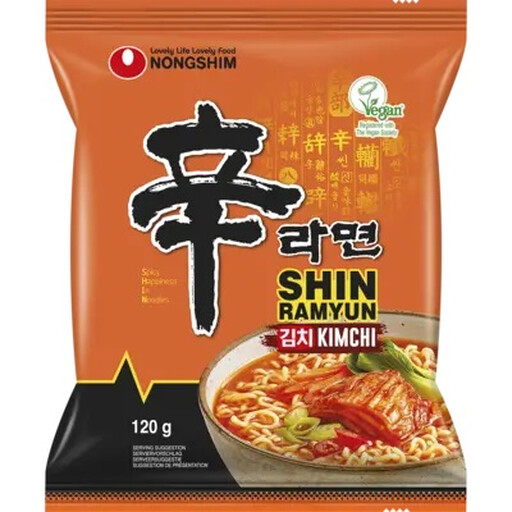
Why this product is a good fit: Nongshim is one of the most famous brands for Korean instant noodles. This product is a benchmark for the classic Kimchi Ramyun taste and is prized by connoisseurs for its balanced heat and chewy noodles.
This product bypasses the "flavouring trap" by including real kimchi flakes (napa cabbage, garlic). This provides an authentic tang and texture. The potato starch-infused noodles avoid the "soggy trap" and stay firm to the bite.
The balanced recipe of a flavourful broth, firm noodles, and real vegetable flakes offers a well-rounded and satisfying taste experience that is considered the standard in the instant kimchi noodles category.
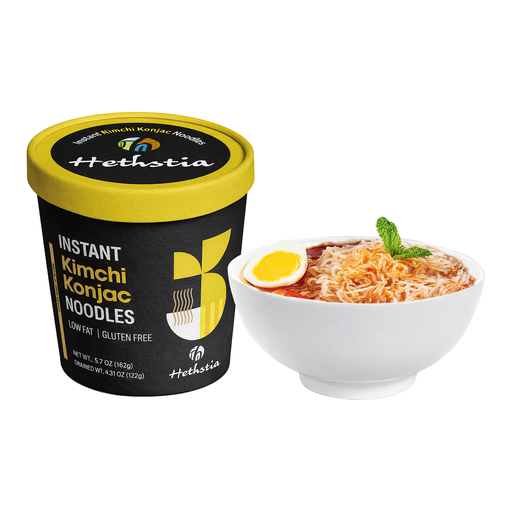
Why this product is a good fit: Specially designed for individuals following a low-carb, keto, or gluten-free diet. These kimchi konjac noodles offer the spicy flavour without the carbohydrates of traditional wheat noodles.
This product avoids the noodle trap by using a completely different noodle base. It specifically targets a niche market and is transparent about its composition: the noodles are made only from konjac flour and water.
According to the manufacturer, the product is fat-free, sugar-free, and low in calories. It is a functional alternative for anyone who needs or wants to avoid traditional instant noodles for dietary reasons.
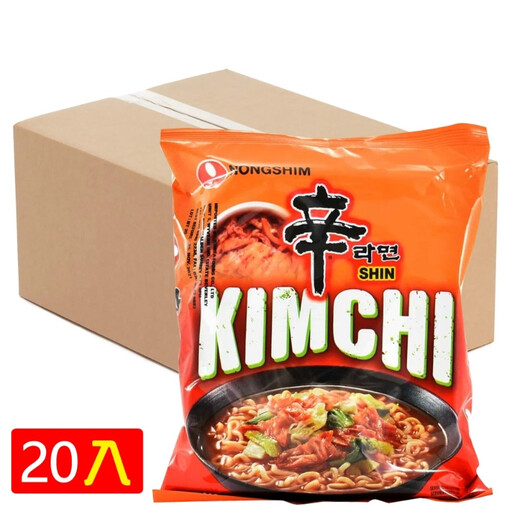
Why this product is a good fit: Ideal for families, flatshares, or individuals who regularly buy kimchi ramen and want to stock up. Buying in bulk significantly lowers the price per serving and ensures constant availability.
By opting for an established brand like Nongshim Kimchi in a bulk pack, you avoid the risk of purchasing a large quantity of a low-quality product. You get proven and consistent quality.
The main advantage lies in cost-effectiveness and convenience. A 20-pack ensures that a quick and reliable meal is available for many weeks without the need for constant repurchasing.
We have compiled a complete, up-to-date list of products that fully meet these strict selection criteria.
The heat level varies greatly depending on the brand and product line. Korean brands like Nongshim are often known for a pronounced spiciness. Many manufacturers provide guidance on the packaging, sometimes with a scale or terms like "spicy." If you are sensitive to heat, start with a smaller amount of the seasoning powder and work your way up to your desired intensity.
Yes, absolutely. Instant noodles are an excellent base for creative additions. Popular ingredients to elevate your meal include:
Although the terms are often used interchangeably, there is a subtle difference. Ramen is the Japanese term and can refer to both fresh noodle soups and instant versions. Ramyun (or Ramyeon) is the Korean equivalent and refers almost exclusively to instant noodles. Korean ramyun are generally known for their more intense and spicier flavour profiles, while Japanese ramen often features broths based on miso, shoyu (soy sauce), or tonkotsu (pork bone).