
当日/次日达

品质保障

开启新人专享福利: 全场免邮 | 低至 2 折 | 免费试用 30 天 JoyPlus 会员
下载 Joybuy
The popularity of Korean cuisine continues unabated, and at the forefront of this wave are Kimchi Ramen. They promise a quick, spicy, and satisfying meal. However, the growing selection on store shelves often leads to confusion. Many products advertise an "authentic taste" but turn out to be a disappointment. Before you grab a package that promises more than it delivers, it's important to know the common pitfalls.
Many buyers are guided by packaging or vague marketing claims, only to experience one of two common disappointments:
This guide will help you navigate these issues and make an informed decision that meets your expectations for taste and quality.
To avoid falling for empty marketing promises, you should check three objective criteria before buying. These will give you a reliable basis for evaluating the quality of Korean instant noodles.
The key factor for a convincing ramen with kimchi flavour is the source of its taste. Pay close attention to the ingredients list.
The choice of packaging depends directly on your usage habits and has a major impact on the price per serving.
The texture of the noodles is just as important to the overall experience as the broth. Most spicy instant ramen are based on wheat noodles, often enhanced with potato starch for a chewier, more elastic consistency.
For a niche audience, alternatives also exist: products with konjac noodles are an option for a low-carb or gluten-free diet. These noodles have a completely different, more firm and gel-like texture and are virtually calorie-free, making them attractive for certain dietary plans.
Based on the objective criteria above, we have compiled a selection of products suitable for different needs and preferences.
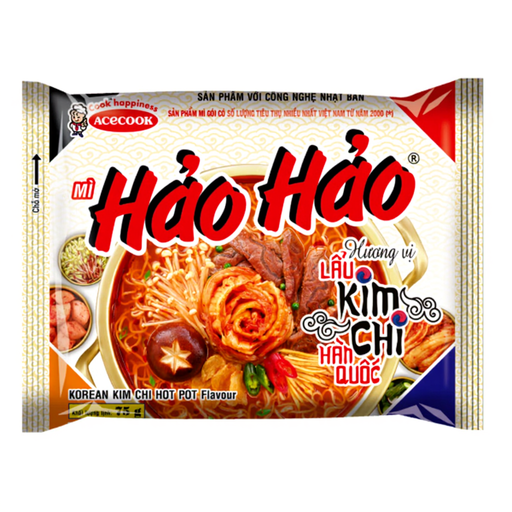
Why This Fits Their Persona: An excellent and affordable option for students or anyone wanting to try the kimchi flavour for the first time without a big investment. The smaller portion size is ideal for a quick snack.
Although this is a Vietnamese interpretation, the product delivers a clear, spicy-sour flavour supported by kimchi powder (1.2%) in the soup base, setting it apart from generic spicy noodles.
Excellent value for money. According to the manufacturer, Acecook, the noodles are made with Japanese technology to ensure a good texture in the hot soup.
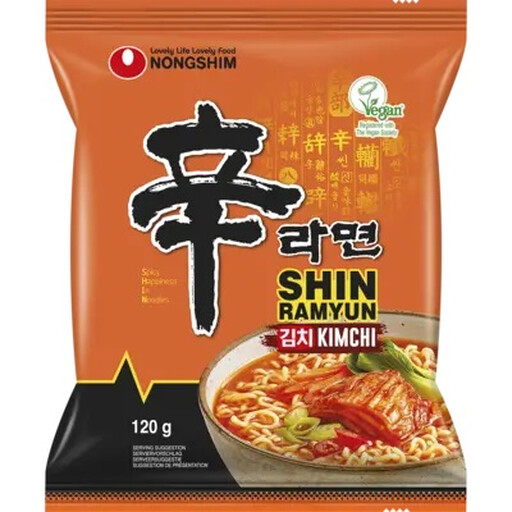
Why This Fits Their Persona: For fans of Korean cuisine looking for that familiar, tried-and-true flavour. Nongshim is a benchmark brand, and this product delivers the expected, balanced taste experience.
This product avoids the authenticity fallacy by using real kimchi flakes (1%) in the vegetable mix. This provides a deep, fermented flavour that goes beyond mere spiciness.
Balanced, authentic kimchi flavour. The noodles, made from wheat flour and potato starch, maintain a pleasantly chewy texture.
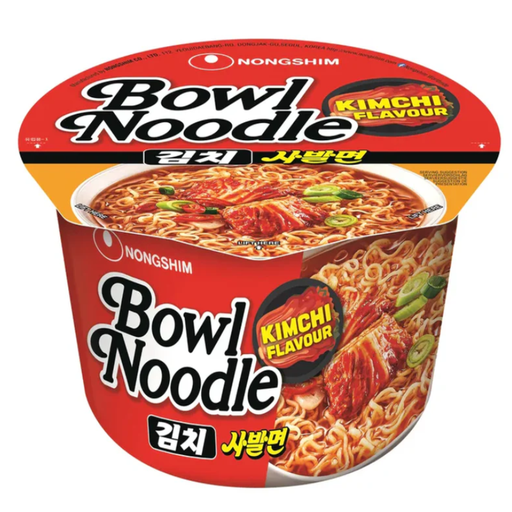
Why This Fits Their Persona: Perfect for professionals who need a quick, uncomplicated, yet tasty meal for their lunch break. No extra dishes required, just hot water.
This bowl offers the proven Nongshim flavour with real kimchi flakes and high-quality noodles in a format that doesn't compromise on quality for the sake of convenience.
Maximum convenience thanks to the all-in-one bowl format. Preparation takes only 3 minutes and leaves no dirty dishes behind.
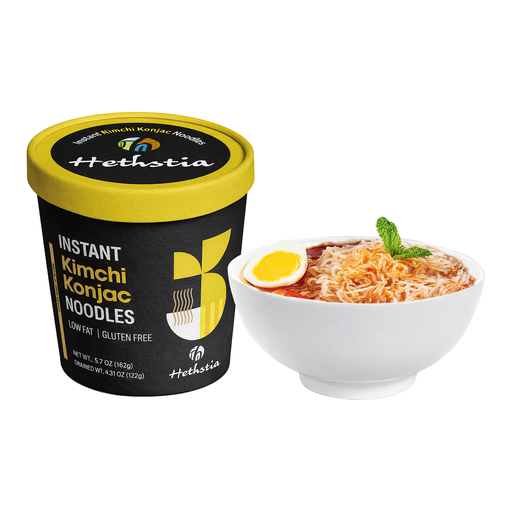
Why This Fits Their Persona: A targeted solution for health-conscious consumers following a keto, low-carb, or gluten-free diet who don't want to miss out on enjoying a spicy noodle soup.
This product bypasses the "noodle lottery" by intentionally forgoing wheat noodles and offering an alternative for special dietary needs, which is still paired with a flavourful kimchi soup base.
Extremely low in calories and carbohydrates (34 kcal per serving, according to the manufacturer). Gluten-free and suitable for a vegan diet. Convenient cup format.
If you want to **buy more kimchi noodles** or compare other varieties, we have compiled a full list of products that meet our selection criteria.
This varies by product. Higher-quality brands like Nongshim use dried kimchi flakes, which are made from real fermented napa cabbage. More budget-friendly versions often use only kimchi powder or a mix of spices and acidulants to mimic the flavour. A look at the ingredients list will quickly provide clarity.
Unfortunately, there is no universal scale, as the perception of spiciness is highly subjective. Some brands provide clues on the packaging (e.g., with a chilli scale). As a general rule, products made for the Korean domestic market are often spicier. If you're unsure, start by adding only part of the seasoning powder and taste the broth before adding more.
Most instant kimchi noodle soups have a shelf life of about 6 to 12 months from the production date. The exact best-before date is always printed on the packaging. For maximum shelf life, the noodles should be stored in a cool, dry place, protected from direct sunlight.