
Lieferung heute & morgen

Qualitätsgarantie

Willkommens-Angebote freischalten: KOSTENLOSE Lieferung | Bis zu 80 % RABATT | Kostenlose 30-Tage-JoyPlus-Testphase
App herunterladen
The right kitchen tools can be the difference between a relaxed cooking experience and sheer frustration. But the market for kitchen accessories is overwhelming and full of promises that often aren't kept. Before you invest in a new cutlery set or kitchen utensil set, it's crucial to know the typical pitfalls that lead to unnecessary expenses and disappointment.
As your Joybuy Product Recommendation Officer, I'm here to help you separate marketing hype from fact. Let's focus on the three most common problems:
These problems can be avoided if you know which objective criteria to look for during selection.
To find durable and functional kitchen accessories, you should check three core aspects before making a purchase decision.
Each material has specific advantages and disadvantages that make it suitable for different purposes.
Two terms are crucial for your safety and the longevity of the products:
The term "dishwasher-safe cutlery" is not an absolutely protected term. A product can be considered dishwasher-safe even if it loses its shine with frequent cleaning. High-quality 18/10 stainless steel is generally fine. Caution is advised for utensils with wooden handles or glued parts: high temperatures and aggressive detergents can damage the material. Hand washing is often the better choice here to extend their lifespan.
Based on these objective criteria, we have selected a few products for different needs and households.
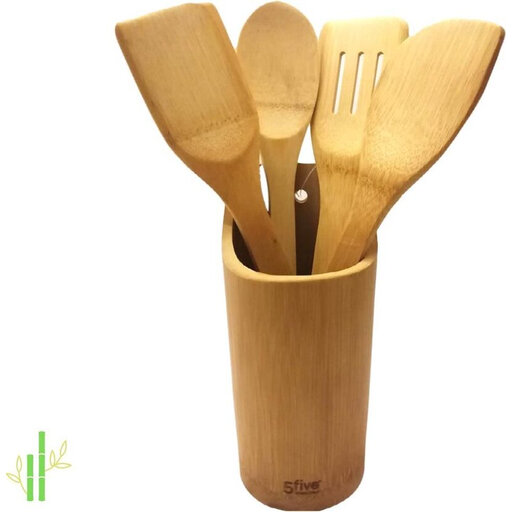
Why This Fits Their Persona: This set is ideal for anyone looking for a functional and sustainable basic kit. Bamboo is a fast-growing raw material and a resource-friendly alternative to plastic or slow-growing hardwoods. Perfect for daily cooking.
The natural bamboo material is inherently soft and smooth, which bypasses the "coating-friendly" trap and won't scratch delicate non-stick surfaces.
Made of 100% bamboo, a lightweight yet sturdy material. The set includes the most essential utensils for everyday use.

Why This Fits Their Persona: For parents starting with complementary feeding, safety is the top priority. This baby cutlery is specially designed for babies aged 6 months and up to encourage independent eating without harming sensitive gums.
According to the manufacturer, it is made of 100% food-grade platinum silicone, is BPA-free, and soft. This addresses concerns about harmful substances and the risk of injury from hard materials.
The material is temperature-resistant from -40°C to 230°C (-40°F to 446°F) and, per the manufacturer, is dishwasher, microwave, and steriliser safe, making cleanup much easier for busy families.
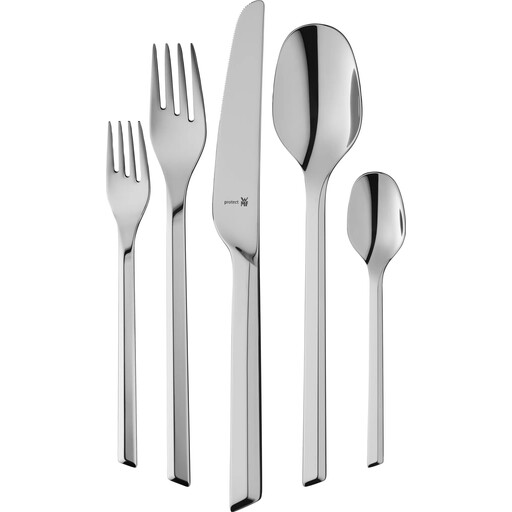
Why This Fits Their Persona: Those who value a stylishly set table and long-lasting quality will find a fitting solution in this cutlery set. The design and high-quality material are suitable for both everyday use and special occasions with guests.
Made from Cromargan 18/10 stainless steel, this set is rust-proof, acid-resistant, and dimensionally stable, according to WMF. It solves the "dishwasher-safe" dilemma as it is designed for machine cleaning without compromising on quality.
The set includes a complete service for 6 people. The knives are forged from a single piece of steel and feature a serrated edge that ensures long-lasting sharpness.
We have compiled a complete, up-to-date list of products that fully meet these strict selection criteria and applicable regulations.
1. Which material for kitchen tools is suitable for coated pans? For non-stick coated pots and pans, utensils made of silicone, wood (e.g., bamboo), or nylon are most suitable. These materials are soft enough not to scratch the delicate coating. Avoid metal kitchen tools like stainless steel, as they can permanently damage the surface.
2. What does "food-safe" mean for kitchen accessories? "Food-safe" means that no substances harmful to health are transferred from the material to food under normal conditions of use. Look for markings such as the glass-and-fork symbol, references to LFGB compliance, or the "BPA-free" label. This ensures that your kitchen accessories are safe to use with food.
3. How do you properly care for wooden kitchen utensils?Wooden cutlery and cooking spoons should be cleaned by hand with mild dish soap and warm water, then dried thoroughly. They should not be left to soak in water for extended periods. To protect the wood from drying out and cracking, it is recommended to occasionally treat the utensils with a food-safe oil (e.g., linseed oil or a special wood care oil).