
Lieferung heute & morgen

Qualitätsgarantie

Willkommens-Angebote freischalten: KOSTENLOSE Lieferung | Bis zu 80 % RABATT | Kostenlose 30-Tage-JoyPlus-Testphase
App herunterladen
An induction hob is a cornerstone of the modern kitchen, using electromagnetic induction to generate heat directly in the base of your cookware. This method ensures precise temperature control and superior energy efficiency. Selecting the right model depends on your specific needs regarding size, functionality, and design. This guide breaks down the key technical criteria to help you make an informed choice.
When choosing an induction hob, several technical parameters are crucial. These factors influence not only cooking performance but also how the appliance integrates into your kitchen design and its ease of use.
The hob's dimensions and the number of cooking zones are fundamental factors.
Modern induction hobs offer a range of features that optimise the cooking process.
The installation type is crucial for the overall look of your kitchen.
The following models represent a selection that covers various requirements for size and functionality. The analysis is based on the technical specifications and practical benefits of the appliances.
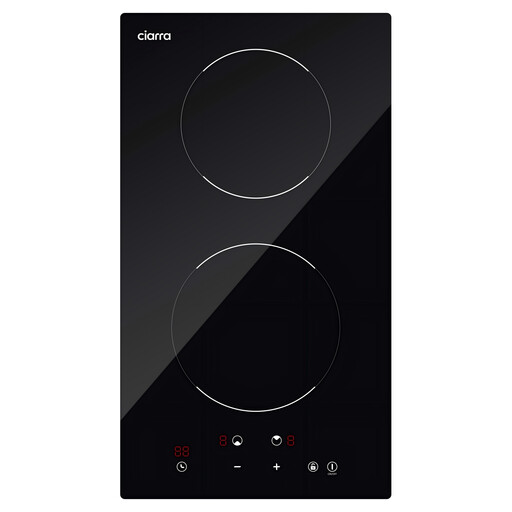
Why we recommend this product: This model combines a compact design with a solid 3000-watt performance. Its two cooking zones and precise controls make it a functional solution for space-saving kitchen designs.
Pros:
Best for: Individuals in single-person households, students, or for equipping a kitchenette where an efficient, space-saving cooking solution is needed.
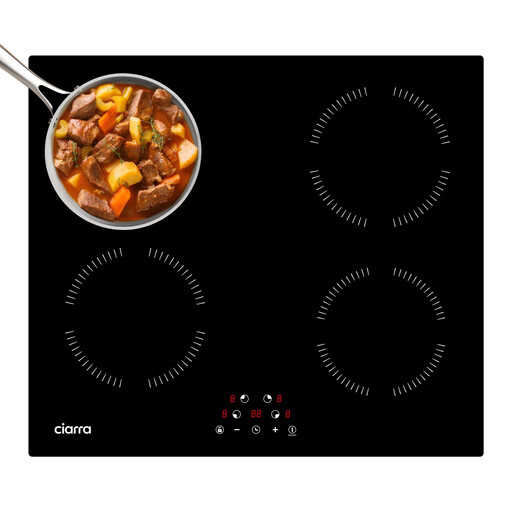
Why we recommend this product: This standard 60cm built-in hob offers a balanced combination of capacity and ease of use for daily cooking, featuring four zones and intuitive slider controls.
Pros:
Best for: Families and ambitious home cooks looking for a reliable 4-zone induction hob for a standard kitchen who value precise control.
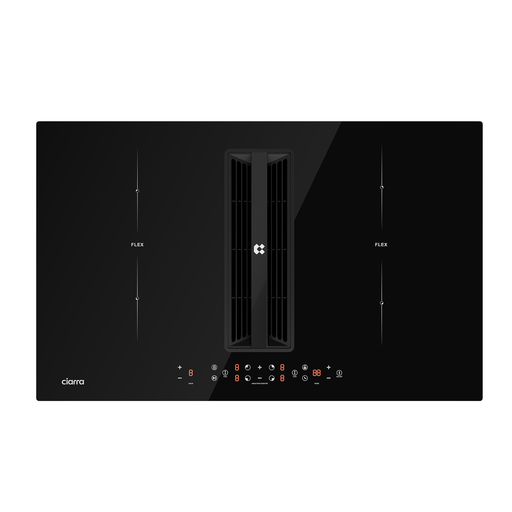
Why we recommend this product: This 2-in-1 system represents a modern solution for open-plan kitchens. The combination of a powerful induction hob with a Flex Zone and an effective downdraft extractor with plasma air purification creates a functional and aesthetically pleasing unit.
Pros:
Best for: Kitchen designers and homeowners seeking a design-oriented, minimalist solution for a kitchen island or open-plan kitchen, who demand the highest standards of functionality and aesthetics.
The products featured here cover specific use cases. For a more comprehensive overview of different configurations, sizes, and brands, we recommend exploring our main category. There you will find a wide selection of appliances to suit various budgets and requirements.
? Discover more models in the Electric Induction Hobs category
1. What is the advantage of an induction hob over a ceramic hob? The main advantage lies in efficiency and speed. With induction, heat is generated directly in the base of the cookware, not on the hob's surface. This results in faster heating, lower energy consumption, and a cooler hob surface, which increases safety and reduces food burning onto it.
2. Do I need special cookware for an induction hob? Yes, ferromagnetic cookware is required. Pots and pans must have a magnetic base for the induction principle to work. You can easily test if your cookware is suitable with a magnet: if it sticks to the bottom of the pot, the cookware is induction-compatible. Materials like cast iron, enamelled steel, or specific types of stainless steel are generally suitable.
3. How do you clean an induction hob? Cleaning is relatively simple because the surface itself does not get as hot as with other types of hobs. After the residual heat has dissipated (as shown by the residual heat indicator), the glass-ceramic surface can be wiped down with a soft cloth, water, and a mild detergent. For stubborn spills, special glass-ceramic scrapers and cleaners are available.
Written by: Joybuy Product Recommendation Officer