
Lieferung heute & morgen

Qualitätsgarantie

Willkommens-Angebote freischalten: KOSTENLOSE Lieferung | Bis zu 80 % RABATT | Kostenlose 30-Tage-JoyPlus-Testphase
App herunterladen
If you’re looking to buy kitchen appliances and kitchen accessories, you’ll find countless models all making similar promises: multi-function programmes, extra-fast cooking, or precise timing controls. In practice, however, it’s often less about marketing claims and more about capacity, ease of use, cleaning, and safety details that determine whether a product will suit your household in the long run.
As a Joybuy Product Recommendation Officer, I filter out the relevant product features and match them to real-life situations. This makes it easier to see whether a rice cooker, an air fryer, a mini oven, a toaster, or a kitchen gadget actually fits your needs.
A device with numerous programmes isn’t automatically more versatile in everyday use. What matters is whether the key functions match how you’ll use it. For a rice cooker, the essentials are capacity, keep-warm function, and the material of the inner pot. For a mini oven, internal space, temperature range, and heating modes are far more important than a long list of extra promises.
The stated litre capacity doesn’t always reflect the usable space. An 18-litre mini oven might be suitable for pizzas up to a certain diameter, but it still needs a sufficiently large, heat-resistant worktop area. Similarly, a 3.2-litre air fryer basket may suit smaller households, while families may need to plan for multiple batches.
Before buying, you should check external dimensions, internal space, cable length, and minimum clearance from walls. The manufacturer’s specifications in the product description are the best guide here.
Non-stick coatings can make cleaning easier, but they must not be used with metal utensils or abrasive sponges. Removable crumb trays in toasters and detachable inserts in kitchen appliances reduce cleaning effort. For digital kitchen gadgets, the battery compartment, display, and button layout are also important details.
For three to four people, a rice cooker with a 4-litre capacity can be a suitable size. The actual quantity will depend on the recipe, type of rice, and desired portion size. A larger appliance takes up more worktop space and can be less practical for small portions.
With an air fryer, consider not just the litre capacity but also the shape of the basket. A wide basket can be more practical for single layers of vegetables or potato products than a tall, narrow cooking chamber.
The wattage describes the electrical power consumption, not automatically the cooking quality. A mini oven with 1,300 to 1,380 watts and separately selectable heating elements provides a solid technical foundation for different uses. What matters is whether the temperature and heating mode are easy to adjust.
For toasters, multiple browning settings are helpful, while a defrost, reheat, or bagel function is only worthwhile if you’ll use it regularly.
A digital kitchen timer, egg timer, or countdown timer should be easy to read and quick to set. A clear audible signal, a suitable place to stand it, and, if needed, a magnet or hook are all practical features.
For appliances with a timer function, check whether it’s a simple reminder or a genuine delayed start. A rice cooker with a delayed start requires extra care when storing ingredients safely.
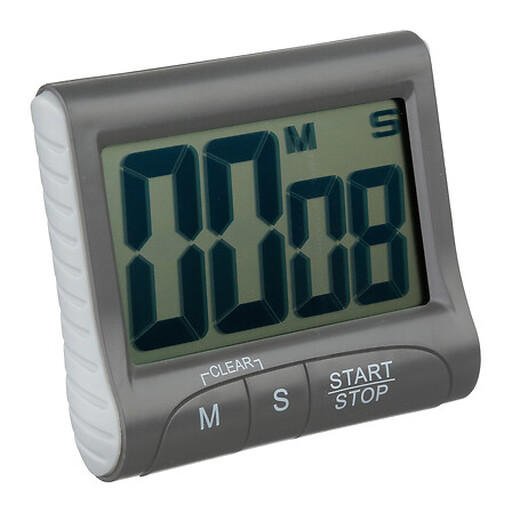
Why this product fits the profile: This compact digital kitchen timer is ideal for simple cooking and baking tasks, and comes with one AAA battery included.
The controls focus on a countdown timer, rather than pushing unnecessary extra features to the forefront.
Digital display, dimensions of 8 x 2.7 x 7.5 cm, and an integrated hook.
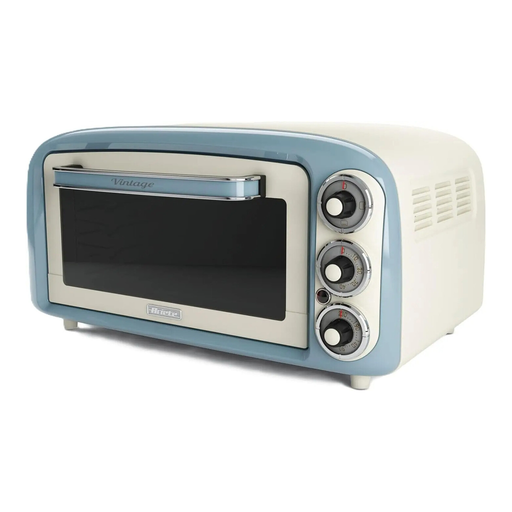
Why this product fits the profile: This mini oven offers 18 litres of capacity, a thermostat up to 230 °C, and various heating modes for pizza, baked goods, and reheating meals.
Its practical use is made clear through concrete details like a 60-minute timer, 18 litres, and a pizza diameter of up to 30 cm.
Top and bottom heat can be selected separately or together; includes an aluminium baking tray and rotary controls.
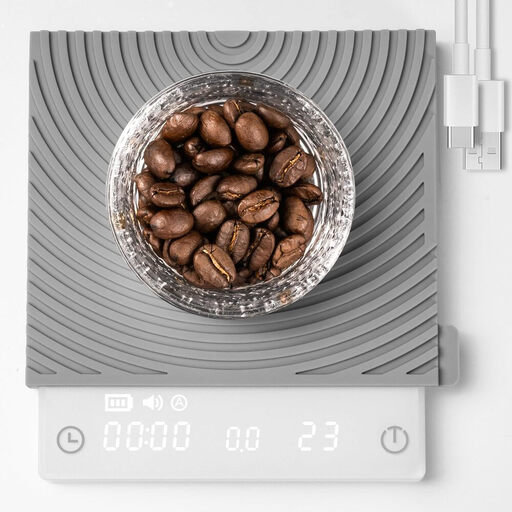
Why this product fits the profile: This digital kitchen scale is designed for people who want to track both weight and time when making coffee, baking, or cooking.
The choice is based on a clear combination of scale, timer, and switchable units of measurement, rather than vague multi-function promises.
Water flow rate and timer functions, plus switching between ounces and kilograms according to the product description.

Why this product fits the profile: The 4-litre capacity is designed for households of three to four people according to the product information; multiple cooking programmes extend its versatility.
The buying decision can be verified against capacity, 860 watts of power, delayed start, and keep-warm function.
Non-stick coated, reinforced inner pot, plus a steaming tray and rice scoop included.
We’ve put together a complete, regularly updated list of products that fully meet these strict selection criteria and the safety regulations in force across the EU.
With electrical kitchen appliances, you should look for a suitable mains voltage, a clear instruction manual, and safety warnings. Hot surfaces and escaping steam should not be underestimated. With a rice cooker, the steam vent must remain clear, and the appliance must not be connected to the mains before cleaning.
For ongoing costs, the power consumption is a useful figure for comparison. The actual electricity costs depend on wattage, usage time, your tariff, and frequency of use. A timer can help limit unnecessary running time, but it doesn’t replace checking that an appliance is fully switched off after use.
For small households, compact appliances with a clear single purpose are often a good choice, such as a toaster, a kitchen scale, or a digital kitchen timer. An air fryer with 3.2 litres or a small mini oven can also work, as long as you consider the worktop space and the portion sizes you need.
The lifespan depends on build quality, care, how often you use them, and proper operation. Regularly removing crumbs, gently cleaning non-stick surfaces, and following the safety instructions can all help maintain everyday usability. It’s not possible to give a reliable, one-size-fits-all lifespan across different products.
A multi-function kitchen appliance can be worthwhile if you’ll regularly use several of its programmes. Before buying, however, you should compare the ease of use, cleaning options, accessories, capacity, and power consumption against the tasks you actually plan to do. Fewer functions can be the better choice if they already cover your daily needs.