
Lieferung heute & morgen

Qualitätsgarantie

Willkommens-Angebote freischalten: KOSTENLOSE Lieferung | Bis zu 80 % RABATT | Kostenlose 30-Tage-JoyPlus-Testphase
App herunterladen
A kitchen or bathroom tap needs to do more than simply deliver water. In the kitchen, a wide swivel range, a flexible spray and easy cleaning are important. In the bathroom, controlled water flow, compatible connections and a compact design matter. Choosing the right tap can be tricky for tenants, DIYers and homeowners, as product descriptions often use similar terms.
A kitchen tap or basin tap is not automatically compatible with every existing connection. Before buying, check the mounting hole, hose connections and pipework. In Germany, many taps use 3/8-inch connections, but a cold-water tap, an under-sink water heater or a non-standard installation may have different requirements.
A 360° swivel tap sounds practical, but it needs enough space behind and beside the sink. A wall, windowsill or wall cabinet may prevent the spout from moving fully. The spout height should also suit the sink, leaving enough room to fill tall pots.
The description “water-saving tap” on its own tells you very little. More useful details include the flow rate, built-in aerator and cartridge. A lower flow rate can reduce water use, but it should not make everyday tasks unnecessarily slow. If a product listing gives specific percentage savings, check the conditions under which they apply.
Before placing your order, measure:
Even a tap described as easy to install may not fit if the hole size or hose length is different. For example, the Cobbe kitchen tap is specified for mounting holes of 33 to 42 mm and comes with two 600 mm-long 1/2-inch connection hoses. Check these measurements against your own installation.
A stainless steel tap, when properly made, can be corrosion-resistant and easy to maintain. However, the material description alone is no guarantee of quality. The cartridge, connections, seals and surface finish also matter.
Use a soft cloth for cleaning. Scouring products and harsh chemicals can damage brushed or coated surfaces. Remove limescale regularly, taking care not to put unnecessary strain on the seals or aerator.
A cold-water tap has a single water inlet and is suitable for places such as the garden, utility room, campervan, outdoor kitchen or children’s mud kitchen. For a bathroom or kitchen with hot and cold water, you will usually need a mixer tap with two connections.
A single-lever mixer lets you control the temperature and flow using one handle. For a bathroom tap, also consider the spout height and reach, as well as how much it splashes. A built-in aerator can create a more controlled flow and reduce splashing in the basin. According to the product details, the Ibergrif basin tap has a built-in aerator and a stated flow rate of 10 litres per minute.
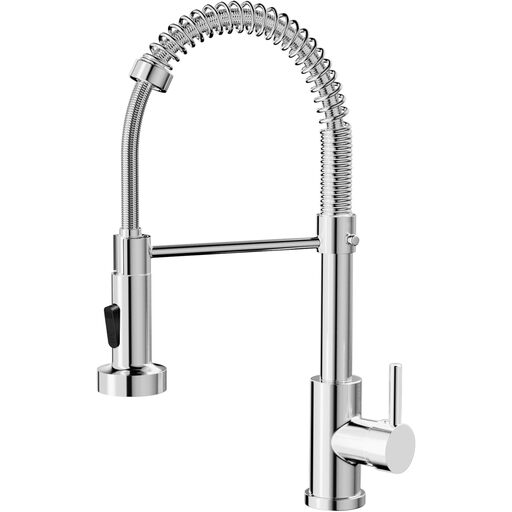
Why it suits this type of shopper: This sink tap is designed for households with a single or double bowl, combining a high spout, 360° swivel range and pull-out hose.
The product details specify two spray modes and a flexible stainless steel pull-out hose. You can switch between a focused stream and a spray function, rather than relying on a fixed spout position.
Stainless steel construction with a PVD finish, 360° swivel function, single-lever control and two water-flow modes, according to the product description.
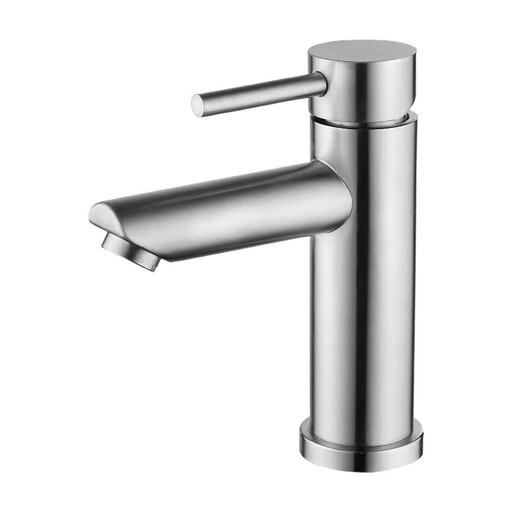
Why it suits this type of shopper: This basin tap is designed for bathrooms and cloakrooms, offering a compact solution for sinks with hot and cold water connections.
The pre-fitted 3/8-inch flexi hoses and seals mean fewer installation steps. Be sure to check the hole size and existing connections before you buy.
Single-lever control, built-in aerator, hot and cold water operation and, according to the product details, a water-saving system.
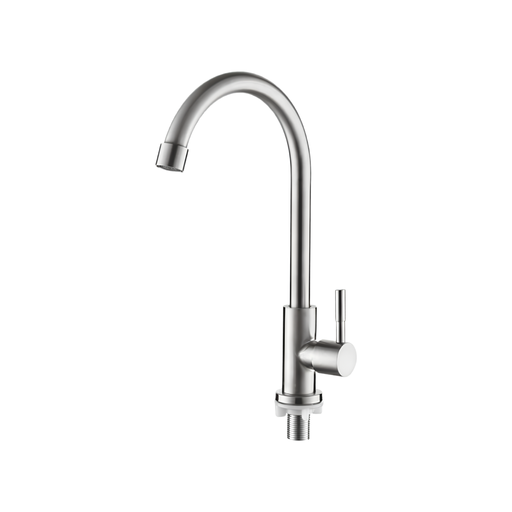
Why it suits this type of shopper: According to the product description, this cold-water tap is suitable for an outdoor kitchen, garden, utility room, campervan or children’s mud kitchen when a hot water connection is not needed.
The product description clearly states that it is for cold water only. This avoids the common misconception that a single-inlet tap can mix hot and cold water.
360° swivel spout, brushed stainless steel finish, installation kit included and G3/8-inch hoses, according to the product details.
We’ve put together a complete, regularly updated list of products that meet these strict selection criteria and fully comply with the safety regulations in force in the EU.
Before installation, turn off the water supply and drain the old tap completely. Seals should sit flat, and connections should first be tightened by hand, then carefully tightened a little further. Once the water supply is back on, check all connections for drips.
In rented homes, it’s best to choose an installation that can be removed cleanly and without leaving marks, and to keep a record of the work. For under-sink water heaters, unusual connections or visible leaks, it may be best to call a plumber. After installation, check the aerator for debris and clean the surface using only a mild detergent.
Its lifespan depends on the cartridge, seals, water quality, how often it is used and how it is installed. Any stated test cycles relate to the manufacturer’s testing conditions and are not a guarantee of a particular lifespan in your home. Deal with limescale build-up and leaking connections as soon as possible.
If the measurements are right, the connections are accessible and the instructions are clear, many DIYers can install a tap themselves. First, check the mounting hole, hose threads, seals and the length of the connection hoses. If you’re unsure or the installation involves a water heater, seek professional advice.
Not necessarily. The amount of water used depends on the flow rate, how long the tap is running and how it is operated. An aerator can alter the flow without affecting how well the tap works in practice. Compare the stated flow rates in litres and check whether they apply across the full operating range or only to a particular setting.