
Same-day & Next-day Delivery

Quality Guaranteed

Unlock Your Welcome Offers: FREE Delivery | Up to 80% OFF | Free 30-day JoyPlus trial
Download the APP
The wrong kitchen bin can be a daily source of frustration. Whether it's a jamming lid, a constantly slipping bin liner, or a design that eats up valuable space, choosing the right model is more critical than you might think. Many products promise durability and convenience, but their weaknesses often become apparent all too quickly in practice.
As your Joybuy Product Recommendation Officer, I'm here to help you navigate the common pitfalls. Instead of relying on marketing hype, we'll focus on the key features that separate a great kitchen bin from an impractical one.
Before you make a decision, you should be aware of the three most common problems found in low-quality models:
To avoid a bad purchase, base your decision on objective criteria. The following three aspects are crucial for the functionality and longevity of your kitchen bin.
The material determines not only the look but also the hygiene and lifespan.
The choice of design depends on your available space and daily habits.
The size should match your household. As a rule of thumb:
For effective waste separation, a kitchen waste collector with two or three compartments is a smart choice. This allows you to separate general waste, recycling, and organic waste at the source.
Here are some recommendations tailored to specific needs and kitchen layouts.
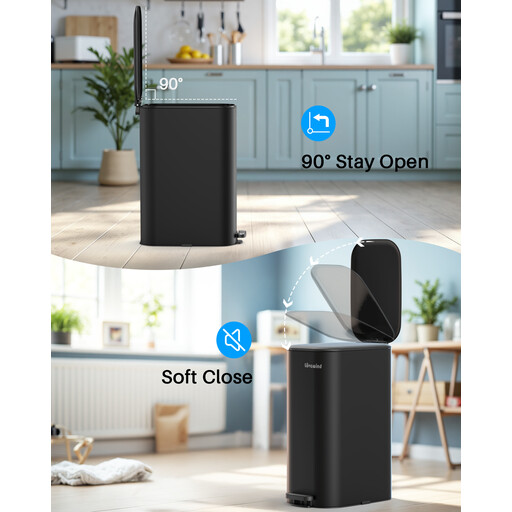
Why it's a great fit: Perfect for modern kitchens that prioritise a clean aesthetic and effortless use. Its slim profile fits neatly into tight spaces without getting in the way.
The reinforced pedal mechanism is engineered for durability. The soft-close function and tight-sealing lid prevent odours and noisy slamming. The smudge-resistant coating minimises fingerprints.
Combines hygienic, hands-free operation with a low-maintenance, fingerprint-resistant stainless steel finish.
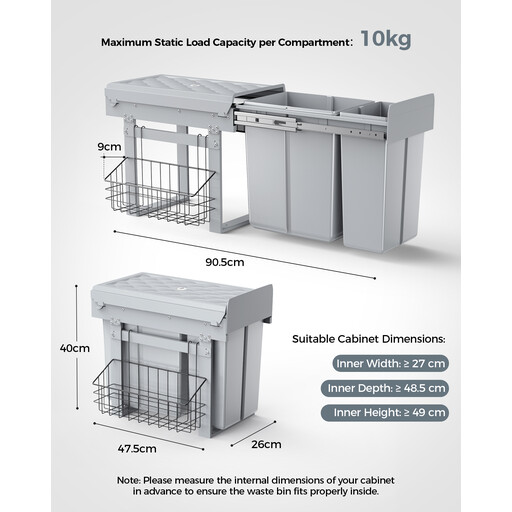
Why it's a great fit: Perfect for anyone seeking an invisible, space-saving solution. This built-in waste separation system makes optimal use of under-cabinet space and keeps your kitchen floor clear.
As a built-in system, it's securely mounted and never in the way. Odours are contained within the cabinet. The durable plastic bins are easy to remove and clean.
Creates a clean, minimalist kitchen aesthetic by completely concealing waste. The full-extension runner system ensures easy access.
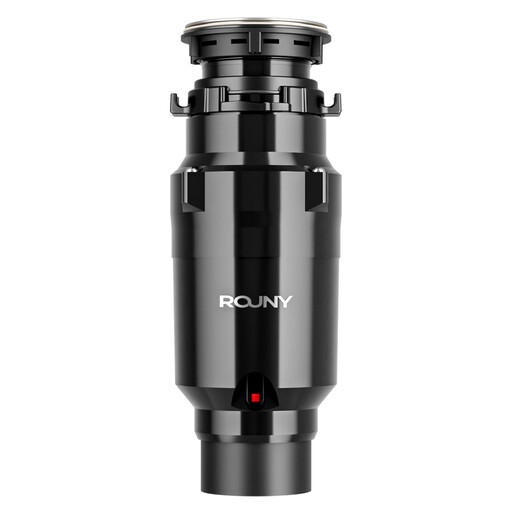
Why it's a great fit: For households seeking the ultimate solution for organic kitchen waste. This appliance eliminates the need for a separate compost caddy and fundamentally improves kitchen hygiene.
Completely eliminates the problem of odours and pests from organic waste, as food scraps are instantly ground and flushed away. There is no container to clean or empty.
Maximum hygiene and convenience by disposing of food scraps directly in the sink. The stainless steel grinding system is built for a long service life.
We have compiled a complete, up-to-date list of products that fully meet these strict selection criteria and all relevant safety standards.
The ideal size depends on your household size and how often your waste is collected. For a 1- to 2-person household, 20 to 30 litres is often sufficient. A family of four is well-served with 40 to 50 litres. Also, consider how diligently you separate waste—a good separation system can significantly reduce the volume of your general waste.
A built-in bin offers three key advantages: It's space-saving, as it doesn't take up any floor space. It creates a tidy, seamless kitchen aesthetic by hiding waste inside a cabinet. Additionally, these systems are often designed as a kitchen waste separation system, making daily recycling much easier.
To clean it, use a soft microfibre cloth and a mild cleaner, or simply water with a drop of washing-up liquid. Always wipe in the direction of the stainless steel's grain to prevent streaking. Afterwards, dry the surface with a clean, dry cloth. Avoid aggressive or abrasive cleaning agents, as they can damage the finish.