Tired brewers after a shift
If you want to weigh out coffee quickly after a shift, an easy-to-read display and a tare function matter more than extra brewing modes. Beurer lists these features for its kitchen scales.


If you’re only weighing beans or ground coffee after a shift, an easy-to-read scale with a tare function is enough; a timer isn’t essential. For pour-over, a suitable weighing surface and a timer can be helpful, while espresso calls for a compact footprint and finer increments. Compare the specific models and features: capacity, dimensions and controls can vary considerably.
If you want to weigh out coffee quickly after a shift, an easy-to-read display and a tare function matter more than extra brewing modes. Beurer lists these features for its kitchen scales.
If you want to keep an eye on both the water weight and the elapsed time while pouring, a scale with a timer could fit your routine. HARIO lists both features for the V60 Drip Scale.
For small amounts of coffee and weighing under the group head, finer increments and compact dimensions are useful features to look for. Beurer specifies 0.1 g increments for the KS 36; Acaia lists a footprint of 105 × 105 mm for the Lunar 2021.
The key question is whether you’ll only weigh out your coffee before brewing, or want to track weight and time as you make it.
| Your needs | What to check before buying | Who is this most important for? |
|---|---|---|
| Weighing coffee quickly | Check the display, tare controls and the space available where you plan to use the scale. | If you only want to weigh beans or ground coffee after a shift, straightforward controls and a clear display are essential. Around 33% of consumers put this need first. |
| Tracking a pour-over | Compare the dimensions of your jug and filter with the weighing surface, and check how the timer works. | When pouring, I want to keep an eye on the water weight and time at the same time. Around 25% of consumers prioritise this level of control when making pour-over coffee. |
| Making espresso in a small space | Check the increments and maximum capacity; compare the dimensions of the scale, cup and machine. | If you’re weighing small amounts or weighing directly into a cup, you’ll need to be able to position the scale under the group head. Around 17% of consumers focus on this. |
| Using it in the kitchen too | Compare the capacity, increments and space you’ll need. | If you’ll use the scale for other kitchen tasks as well as coffee, you’ll want a suitable capacity and a practical weighing surface. Around 25% of consumers prioritise this versatility. |
Figures such as 0.1 g describe the increments or readability of a particular model; they aren’t the result of an independent test in real-world conditions.
Compare the increments and maximum capacity. Don’t assume that the display increments alone prove the scale’s measurement accuracy.
The Hario V60 Drip Scale measures 120 × 190 mm, while the Acaia Lunar 2021 measures 105 × 105 mm. These dimensions affect whether your jug, filter or cup will fit on the scale.
Before buying, measure the space under your machine or the area you’ll use for your pour-over vessel.
The models mentioned here differ in how they’re powered. Battery-operated scales may need replacement batteries.
Check the specific model’s battery type, charging accessories and battery details. The German Environment Agency recommends considering replaceability and replacement batteries when choosing rechargeable devices.
Beurer offers scales for everyday kitchen tasks and more precise weighing; the features listed here apply to the specific models.
Hario says the V60 Drip Scale is designed to let you track weight and time together while making pour-over coffee.
According to the manufacturer, the Basic 2.0 combines a scale, tare function, timer and flow-rate display for different coffee-making routines.
The Lunar 2021 is a compact scale for making espresso where space is limited.
The Joybuy products below are listed for making espresso and pour-over coffee. Think about which features you’ll actually use, and whether the dimensions and controls suit your routine.
 No image available
For switching between espresso and pour-over, if you want to use the timer and flow-rate functions.
The product name also lists a coffee-to-water ratio and switchable units: oz and kg.
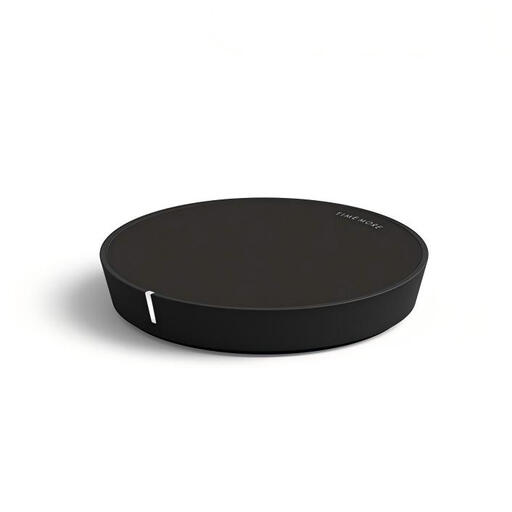 No image available
For espresso and pour-over, if you want to use the timer and flow-rate function while brewing.
The product name lists a coffee-to-water ratio and switchable units: oz and kg.
 No image available
For espresso and kitchen tasks, if you’re looking for a scale with a timer and flow-rate function.
The product name lists switchable units: oz and kg.
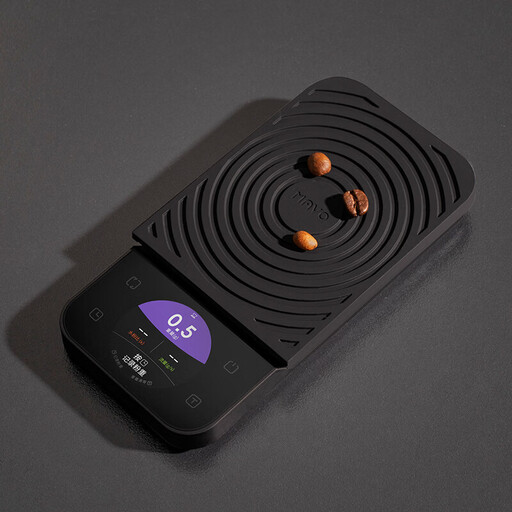 No image available
An option for pour-over and making coffee in the kitchen, as indicated by the product name.
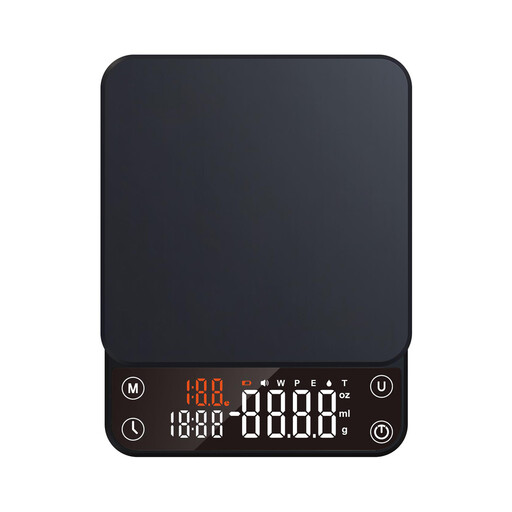 No image available
For anyone who wants to switch between espresso and pour-over; the product name lists several brewing modes.
Features include an LED display, timer, ratio and volume displays, auto-tare and a rechargeable battery. According to the product details, do not immerse in water or exceed the maximum capacity of 3,000 g.
No. If you’re only weighing coffee before brewing, a clear display and a tare function are the features that matter most. A timer can be useful for pour-over if you want to keep track of the brewing time as well.
Place the scale on a stable surface and check that your vessel and filter fit completely on the weighing surface. Use the tare function with the empty vessel; this feature is listed for the Beurer KS 34.
According to their manufacturers, the Beurer KS 34 and KS 36 are battery-operated, while the Timemore Basic 2.0 has a rechargeable battery. Check the specific listing for the battery type or charging accessories; battery-operated models may need replacement batteries.
Your statutory rights against the seller and a voluntary manufacturer’s guarantee are separate. If a product is faulty, the seller may first be required to repair or replace it; check the specific guarantee terms separately. Germany’s Verbraucherzentrale explains the difference between statutory rights and a guarantee.
No. The German Environment Agency says that waste electrical and electronic equipment should be collected separately; you can take it to a recycling centre, for example. Where possible, remove any detachable batteries or rechargeable batteries and dispose of them separately before returning the device.