
Lieferung heute & morgen

Qualitätsgarantie

Willkommens-Angebote freischalten: KOSTENLOSE Lieferung | Bis zu 80 % RABATT | Kostenlose 30-Tage-JoyPlus-Testphase
App herunterladen
A kitchen colander and draining sieve is found in many German households, but it is often bought based on just one criterion: price. This can result in a model that tips when draining, lets small foods fall through or becomes difficult to clean after a short time. For keen home cooks, families and professional kitchens, it is therefore worth taking a closer look at the design, material and intended use.
A sieve can look spacious in the product image but only hold small portions in practice. For a family, a pasta colander should offer plenty of capacity and sit securely on the sink or a pan. A model that is too small makes draining more difficult and may become unstable when holding heavier foods.
With an extendable sink colander, the adjustment range is also important. The dimensions should match the width of your sink. The support surfaces also deserve attention: a long extension is of little use if the sieve cannot sit securely on smooth or narrow sink edges.
Terms such as ‘rust-resistant’, ‘sturdy’ or ‘for everyday use’ do not say much on their own. Specific details such as 304 stainless steel, 18/10 stainless steel, the type of plastic or the mesh material are more meaningful. When choosing a stainless steel kitchen sieve, buyers should also check whether the handles, frame and base are made from metal too, or partly from plastic.
Plastic can be lightweight and practical, but it is not automatically suitable for boiling-hot liquids. When draining pasta, follow the safety instructions for the particular product.
A coarse draining sieve for pasta lets water run off quickly, but may not reliably retain small pasta shapes, rice or berries. A fine-mesh flour sieve, on the other hand, is suitable for flour, icing sugar and small ingredients, but is slower when draining large quantities.
For a versatile household, a combination can be useful: a large sieve for pasta and vegetables, plus a smaller model for baking or straining fine ingredients.
Stainless steel retains its shape, absorbs little odour and is generally easy to clean. The Zwilling model listed in the product details is made from 18/10 stainless steel. This designation describes steel containing 18 per cent chromium and 10 per cent nickel. It is a specific technical detail, but does not replace checking the individual care instructions.
Plastic models are often lighter. The 5five colander is listed as being made from PP plastic with a TPR handle. This can be practical for washing fruit and vegetables every day, provided the temperature and cleaning instructions are followed.
A compact sieve is sufficient for individual portions or baking ingredients. Families and frequent users should look for a larger diameter or a stated capacity. According to the product details, the 5five colander holds 2.5 litres. The extendable stainless steel basket from Maxcook has an adjustment range of 29 to 44 cm, making it suitable for sinks of different widths.
With a sieve with handles, the distance between the handles and the sieve body should be taken into account. When working near a hot pan, sufficiently long, sturdy handles and secure weight distribution are important.
A sieve body with few seams can make cleaning easier, while fine meshes may retain food residues. Information about dishwasher suitability is helpful, but should be considered together with the material. The stainless steel and plastic sieve with a diameter of 22 cm is listed as dishwasher-safe; at the same time, the product description points out that high temperatures may affect the plastic frame over time.
Users should also check the following before buying:
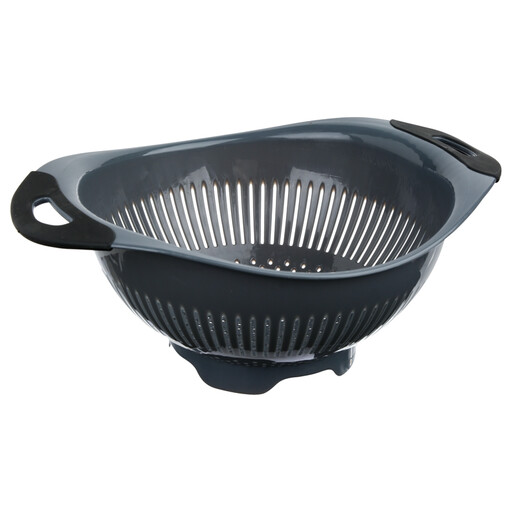
Why this product suits this profile: The 2.5-litre colander is designed for everyday tasks such as washing vegetables, rinsing fruit and draining pasta. The TPR handle is intended to provide a secure grip, even with wet hands.
The stated capacity and specific dimensions make it easier to assess the product than size information based solely on images.
2.5-litre capacity, low weight of 0.162 kg and ergonomically designed TPR handle.
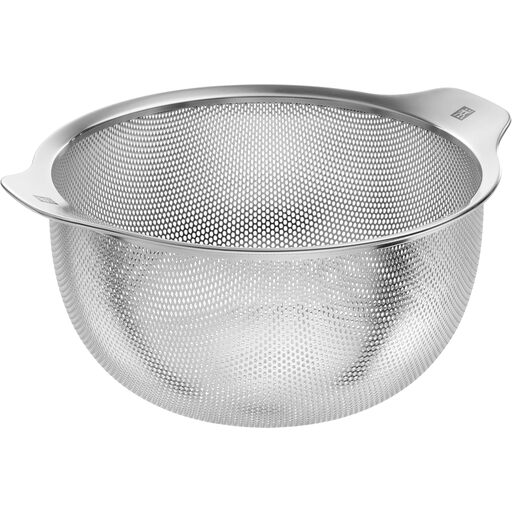
Why this product suits this profile: The 24 cm sieve made from 18/10 stainless steel is designed for larger portions of pasta, as well as vegetables and fruit. Side handles and a raised foot make it easier to handle when draining.
The material, diameter, integrated handles and dishwasher suitability are all specified clearly, allowing you to make an informed choice.
18/10 stainless steel, 24 cm diameter, integrated side handles and raised foot according to the product details.
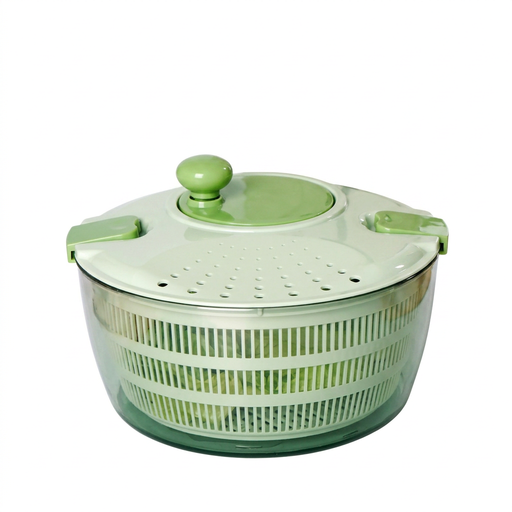
Why this product suits this profile: This manual salad spinner combines washing, draining and drying leafy salad, vegetables and fruit in one appliance. It does not require a power connection.
The manual crank and dismantlable design are clearly described. This makes it easier to assess the product’s functionality realistically before buying.
Manual operation, combined draining and drying function, plus a dismantlable design for cleaning.
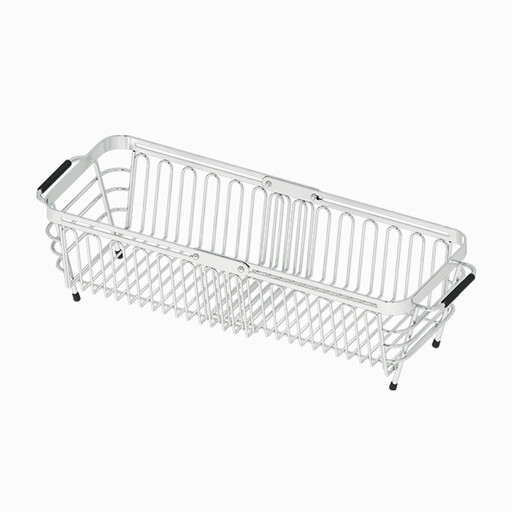
Why this product suits this profile: The basket extends from 29 to 44 cm and can be positioned over the sink. This keeps the worktop clear when washing and draining vegetables or fruit.
The specific adjustment range means buyers do not have to judge the fit from a product photo alone. Measure your sink before placing an order.
304 stainless steel, an extendable frame from 29 to 44 cm and a raised mesh surface for water drainage.
We have put together a complete, regularly updated list of products that fully meet these strict selection criteria and the safety regulations applicable in the EU.
Stainless steel retains its shape and is easy to clean. Plastic can be a lighter alternative. The key factors are the specific details on temperature resistance, dishwasher suitability and handle stability. For boiling water, only use models whose product information confirms that they are suitable for this purpose.
A smaller sieve is often sufficient for individual portions. For family-sized portions, a diameter of around 22 to 24 cm or a capacity of at least 2.5 litres are useful guidelines. The right size also depends on the sink, the diameter of the pan and the storage space available.
Food residues should be removed promptly after use, and the sieve should be dried thoroughly. Stainless steel can be cleaned with warm water and mild washing-up liquid. With plastic frames and fine meshes, avoid abrasive sponges, wire wool and temperatures not approved by the manufacturer. A sieve should also not be overloaded with heavy items or handled with sharp kitchen utensils.