
Lieferung heute & morgen

Qualitätsgarantie

Willkommens-Angebote freischalten: KOSTENLOSE Lieferung | Bis zu 80 % RABATT | Kostenlose 30-Tage-JoyPlus-Testphase
App herunterladen
Anyone looking to buy kitchen cutting tools will find a wide range of kitchen knives, vegetable slicers, graters and electric appliances. However, the differences are not limited to price or design. The intended use, materials, dimensions and safe handling are all crucial. The Joybuy Product Recommendation Officer selection assesses the most important criteria objectively and shows which products may suit different kitchen needs.
A chef’s knife is suitable for many tasks, but it does not automatically replace a vegetable slicer, grater or garlic chopper. Particularly hard foods, very thin slices and removing an avocado stone all place different demands on a kitchen tool.
Practical rule: Start by considering which foods you prepare regularly. For onions, herbs and vegetables, a versatile kitchen knife is often sufficient. For evenly sized slices, grated cheese or larger quantities, a specialist tool may be more suitable.
A sharp blade can cut precisely, but it requires safe cutting technique, a secure grip and a suitable work surface. With a vegetable cutter or mandoline slicer, you must also consider the finger guard, stability and changing the inserts. An eye-catching design says little about these factors.
Fine blades, moving mechanisms and hard-to-reach gaps can make everyday cleaning more difficult. Before buying, check whether parts can be removed, what cleaning method the manufacturer recommends and whether the tool will fit in your drawer or cupboard. With electric appliances, cable management, switches and the safe removal of the sliced food are also important.
For kitchen knives, details such as 50Cr steel, stainless steel or INOX 430 provide an initial point of reference. They describe the material, but do not replace a complete assessment of the blade’s construction. Also pay attention to the blade length, shape and weight.
The balance between the handle and blade affects control. A heavier model may feel more stable when cutting firm ingredients, but it will not suit every hand or cutting technique.
The size must suit both the food being cut and the available work surface. A knife with a 170 or 190 mm blade offers a different range of movement from a compact household knife. With an electric food slicer, the cutting thickness, carriage travel and available space on the worktop are particularly important.
According to the product description, the Ritter Sono¹ has an 18 cm cutting range and can produce slices ranging from very thin to approximately 20 mm. The Ritter serano⁷ is described as having a 24 cm carriage travel and an adjustable setting of up to 23 mm. Details like these help you assess the product, but they should be compared with the space available in your own kitchen.
A non-slip handle and stable base reduce the risk of the tool moving during use. With cutters featuring several blades, the inserts should lock securely into place and be stored safely. Sharp components should always be kept out of children’s reach.
The Joseph Joseph GoAvocado is described as using materials including BPA-free PP and ABS, along with a stainless steel stone remover. According to the product information, the tool is suitable for food contact and complies with EU Regulation (EC) No 1935/2004. The manufacturer also highlights safe use, checking the folding mechanism and cleaning in the top rack of the dishwasher. These instructions should be followed before use.
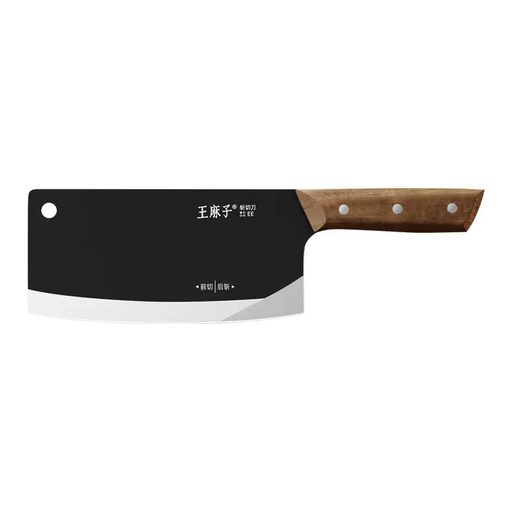
Why this product suits the profile: A versatile kitchen knife can provide a practical basic set-up for households with limited space.
Choosing a single multi-purpose knife avoids buying specialist tools that may go unused. Check the blade dimensions and handle size before buying.
Designed as a kitchen knife for a range of cutting tasks; the product page includes details of the EU-responsible person.
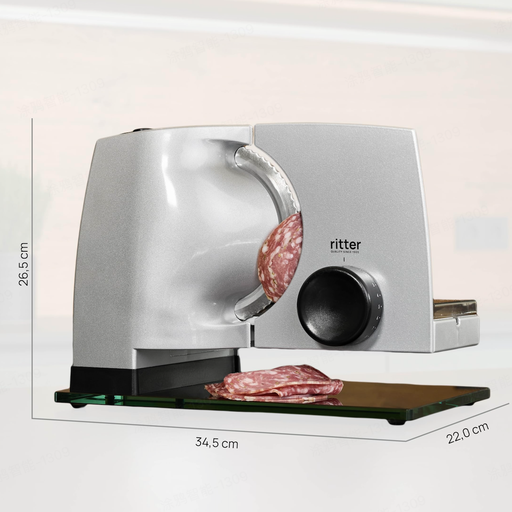
Why this product suits the profile: Ideal for households that regularly want to cut bread, fruit or vegetables into evenly sized slices.
According to the product description, the removable carriage makes cleaning easier. Before buying, you should still consider the space required and regular electricity consumption.
Cutting thickness from very thin to approximately 20 mm, an 18 cm carriage travel and safety pulse and continuous switches, according to the manufacturer’s information.
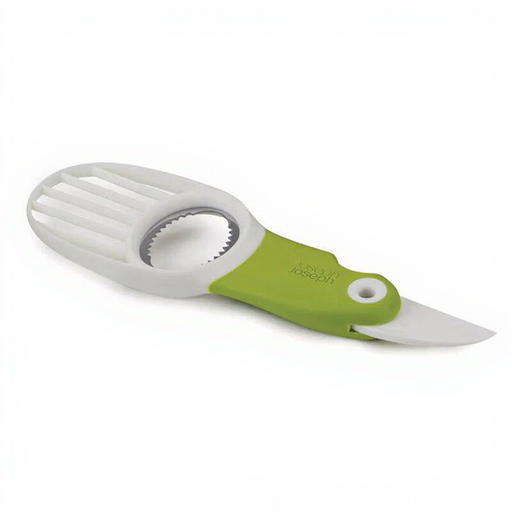
Why this product suits the profile: For people who prepare avocados frequently and want to open, stone and slice them with one tool.
The three functions avoid the need to buy several small tools. However, the product is specifically intended for avocados and should not be used on hard materials.
Folding plastic blade, stainless steel stone remover and fan blade for slicing and releasing the flesh; according to the product information, dishwasher-safe in the top rack.
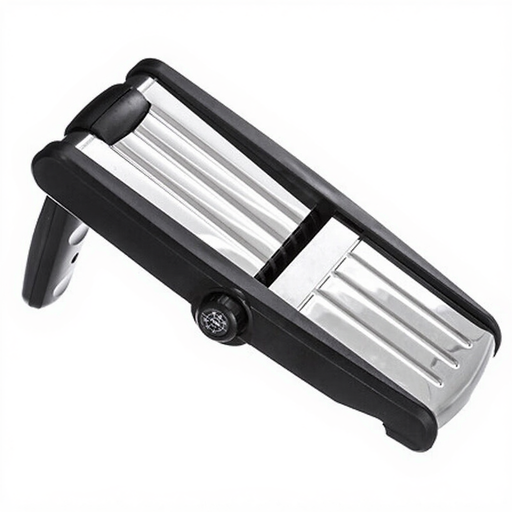
Why this product suits the profile: Suitable for households that want to slice, cut into strips or grate vegetables depending on the recipe.
The three interchangeable stainless steel blades make its intended uses clear. Before use, check how to change the blades, use the finger guard and clean the tool safely.
Slicing, julienne cutting and grating with three stainless steel blades; compact dimensions of 24.5 × 13 × 12.7 cm according to the product description.
We have put together a complete, regularly updated list of products that fully meet these strict selection criteria and the safety regulations applicable in the EU.
Depending on your cooking habits, other products may also be useful:
A versatile kitchen knife, a smaller vegetable knife and a grater are usually enough for a basic set-up. If you regularly prepare large quantities, you could also choose a vegetable cutter or electric food slicer. Specialist tools such as an avocado slicer are particularly worthwhile if you use them frequently.
Service life depends on the material, level of use, cleaning and storage. Knives should not be left loose in a drawer or used on hard glass or stone surfaces. With appliances containing moving parts, regular visual checks are important. Damaged handles, loose blades or cracks in the plastic are all reasons to stop using the product.
Running costs depend on the power consumption, length of use and your electricity tariff. For a realistic estimate, multiply the wattage shown on the rating plate by the daily operating time. You should also factor cleaning, replacement parts and possible repair options into your buying decision.