
Lieferung heute & morgen

Qualitätsgarantie

Willkommens-Angebote freischalten: KOSTENLOSE Lieferung | Bis zu 80 % RABATT | Kostenlose 30-Tage-JoyPlus-Testphase
App herunterladen
A suitable kitchen dish drying rack should hold wet dishes, drain water in a controlled way and keep the worktop beside your sink tidy. The priorities are different in a home kitchen than in a café or commercial kitchen. At home, a compact size is often key, while frequent users need a sturdy design, easy-to-access drainage and simple cleaning.
An eye-catching product description doesn’t always point to a practical solution. Before you buy, check these points in particular:
The wrong dimensions: A dish rack may look spacious in product photos, but it might not fit on your worktop or could get in the way of the tap. Compare its length, width and height with the space available beside your sink.
Poor or missing drainage: Without a raised surface, drip tray or clearly defined drainage route, water can run onto the worktop. A raised edge can help, but it doesn’t replace regular cleaning or careful positioning.
Overstated material claims: Look closely at the term ‘stainless steel’. Some products are made from stainless steel only in part, or are described as having a stainless-steel finish. Check the specific details for the rack, drip tray and accessories.
Not enough room for cutlery and glasses: A dish rack without a cutlery holder can quickly become cluttered when you’re washing up for several people. For households that regularly have a lot of washing up, separate spaces for cutlery and glasses are more practical.
First, measure the available space. Take into account the distance from the sink and the room needed to load plates, cups and cutlery. A 35 × 50 × 13 cm model needs different planning from a compact dish drainer basket or a separate sink drainer grid.
Also check the stated capacity. The number of plates, glasses or pieces of cutlery is only useful if they can be arranged securely without rubbing against one another.
Metal racks need a stable design and should be able to dry out after use. Smooth surfaces and removable parts make plastic components easier to clean. A stainless steel sink drain grid can catch food debris, but it doesn’t replace cleaning the sink or drain.
Check the feet, too. Non-slip elements protect the worktop and help prevent the rack from moving as you load it. Position a kitchen sponge holder so that water can drain away and sponges don’t sit in a puddle.
Position your dish rack so that water can drain into the sink or a suitable drip tray. With an open design, the distance from the edge is especially important. For restaurants, cafés, hotels and commercial kitchens, you’ll also need to consider the available space, daily cleaning routines and a clear separation between clean dishes and those that are still wet.
If you’re choosing a sink organiser with suction cups, check before fitting it that the surface is smooth, clean and suitable for this type of attachment.
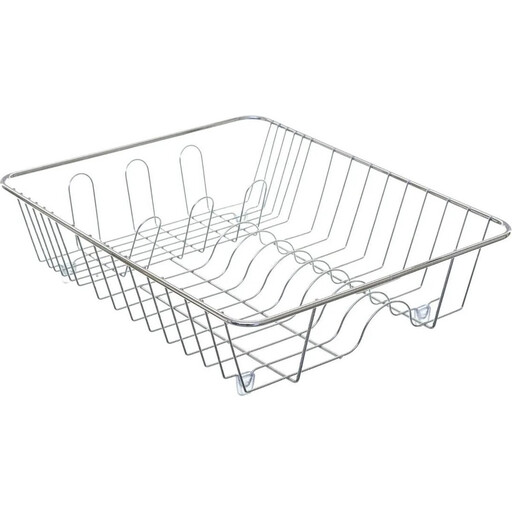
Why it suits this need: Its dimensions make it suitable for many kitchen worktops. It has room for plates, glasses and cutlery, and requires no special installation.
The precise dimensions and raised edge make it easier to plan where the rack will go. An integrated cutlery holder helps keep small items from getting mixed in with the plates.
Steel and ABS plastic construction, space for up to 10 plates according to the product details, a cutlery holder and room for 6 glasses.
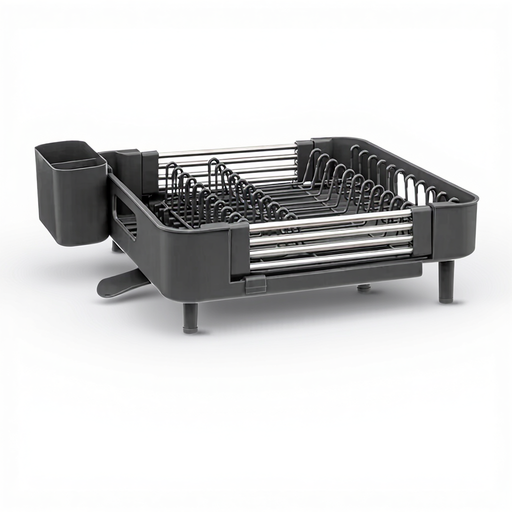
Why it suits this need: Measuring 35 × 50 × 13 cm, with a stated capacity of 20 items, this dish drying rack is designed for regular washing up involving several dishes.
The stated dimensions and material details make it easier to compare options before buying. You can check whether the footprint and design will suit your sink.
PP and metal construction, a drain described as stainless steel, a capacity of 20 items according to the specifications and space for one glass.
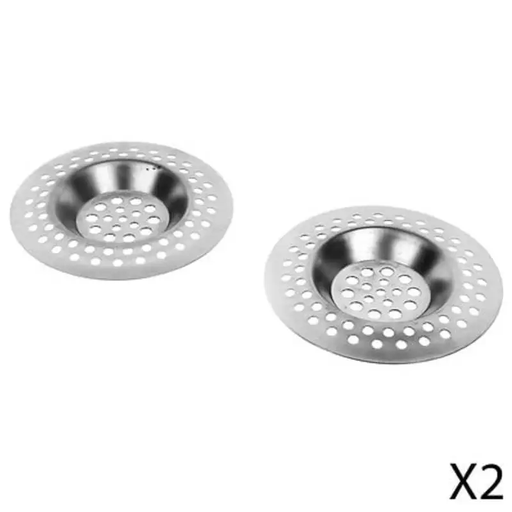
Why it suits this need: These two compact grids, each 7 cm in diameter, are suitable for small sink drains, draining areas or as a protective barrier beneath delicate dishes.
The diameter is clearly stated, so you don’t have to choose based on the product photo alone. Measure your existing drain before buying.
Set of two steel grids with a stainless-steel finish, 7 cm in diameter and lightweight at 0.05 kg according to the product details.
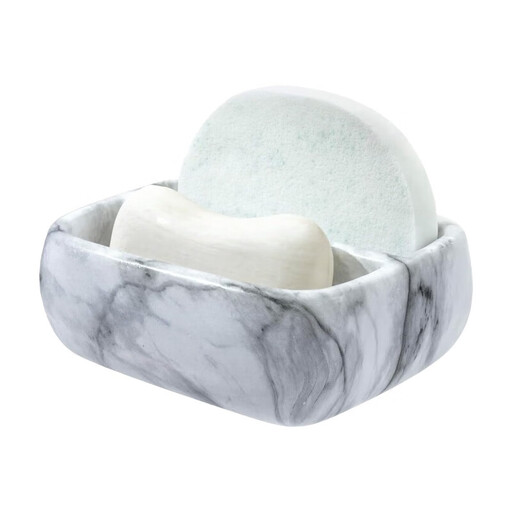
Why it suits this need: This divided kitchen sponge holder keeps sponges, cleaning pads or scrubbers organised on the worktop and complements an existing dish drying rack.
Two separate compartments stop different cleaning tools from being piled on top of one another. The feet help prevent it from slipping on the worktop.
Two compartments, a smooth resin surface, feet and dimensions of approximately 5.4 × 4.5 × 2.0 inches according to the product details.
We’ve put together a complete, regularly updated list of products that meet these strict selection criteria and fully comply with the safety regulations in force in the EU.
It depends on the available worktop space and how much washing up you do each day. Measure the space beside your sink and compare it with the product’s length, width and height. In smaller kitchens, a compact dish drainer basket or a separate draining grid may be more practical than a wide rack.
Remove water and food debris every day, clean the rack and drip tray regularly, and let all the parts dry completely. Removable cutlery holders and smooth surfaces make cleaning easier. A stainless steel sink drain grid should also be removed and rinsed.
Its lifespan depends on the material, how heavily it’s used, how damp it gets and how well it’s cared for. Look for sturdy joints, intact feet and a corrosion-resistant finish. Overloading the rack or allowing water to collect in hard-to-reach areas can speed up wear and tear.