
Lieferung heute & morgen

Qualitätsgarantie

Willkommens-Angebote freischalten: KOSTENLOSE Lieferung | Bis zu 80 % RABATT | Kostenlose 30-Tage-JoyPlus-Testphase
App herunterladen
A kitchen dish drying rack should hold wet dishes securely, drain water effectively and take up as little worktop space as possible. In practice, poor purchases are often down to unsuitable dimensions, unclear material descriptions or an impractical design rather than the price.
These are some of the most common issues:
Before you buy, it’s worth checking the actual product specifications rather than relying on general marketing claims.
Start by measuring the space beside or above your sink. Remember to allow for the tap, window, distance from the wall and the room you’ll need to load the rack.
A compact plate and cutlery drying rack is a good choice for small kitchens, single-person households or camping. For a larger household, café or commercial kitchen, a wider or multi-tier model may be more suitable. For example, ‘39 × 33.5 × 10.5 cm’ is much more useful than a vague description such as ‘large’.
When choosing a metal dish rack, look for a clear description of the materials. Stainless steel or a stainless-steel finish may be suitable for kitchen use, but the quality of the construction, coating and regular cleaning are also important. Steel with plastic components, as in the 5five model, can offer a balance of weight and stability.
Look for:
Additional kitchen sink strainers can also be useful. Depending on the size of your sink, two round stainless-steel mesh strainers, each 7 cm in diameter, can be used to catch food scraps or in a draining area. Before buying, check the diameter against your existing drain.
The rack’s capacity should suit the amount of washing-up you do each day. Check how many plates, glasses and pieces of cutlery it can actually hold. A model with a stated capacity is easier to assess than a product photo showing dishes loosely arranged.
For households, compact dimensions and easy cleaning are usually priorities. Campers, on the other hand, need a manageable model that doesn’t take up too much room. Restaurants, cafés, hotels and commercial kitchens should also consider durable materials, clear dimensions and a design suited to the intended space.
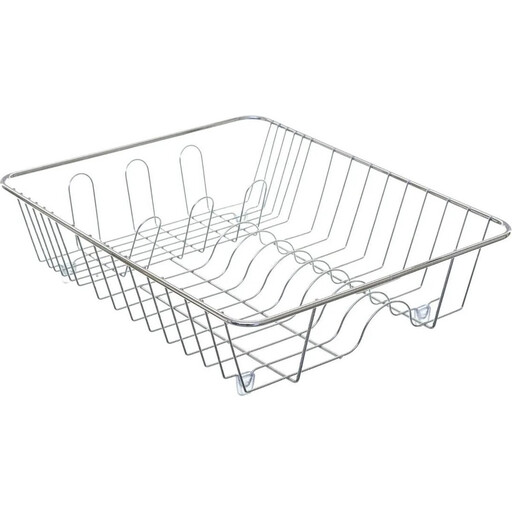
Why it suits this need: Clear dimensions, a cutlery basket and stated space for up to 10 plates make it easier to choose for a small or medium-sized household. According to the product description, it’s also suitable for camping.
The specific outer dimensions and raised edge help you avoid choosing a kitchen dish rack that’s too large or drains poorly.
Steel and ABS construction, a cutlery basket, and space for 10 plates and 6 glasses according to the product details.
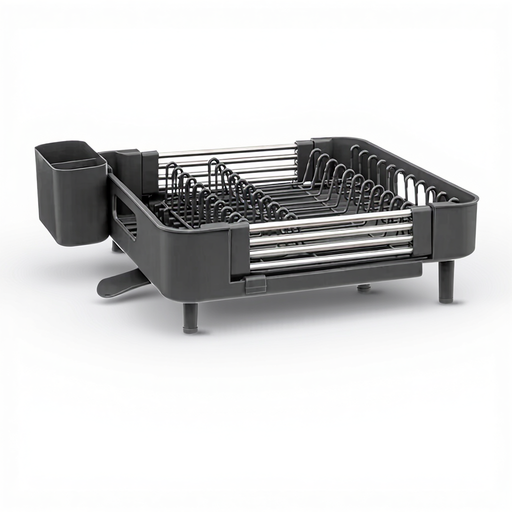
Why it suits this need: Measuring 35 × 50 × 13 cm, with a stated capacity of 20 items, this dish rack is designed for anyone who wants to organise more dishes in one go.
The stated capacity and dimensions show whether the model will fit your available worktop space, rather than relying on a vague size description.
PP and metal construction, stainless steel specified for the draining area, and capacity for 20 items according to the product details.
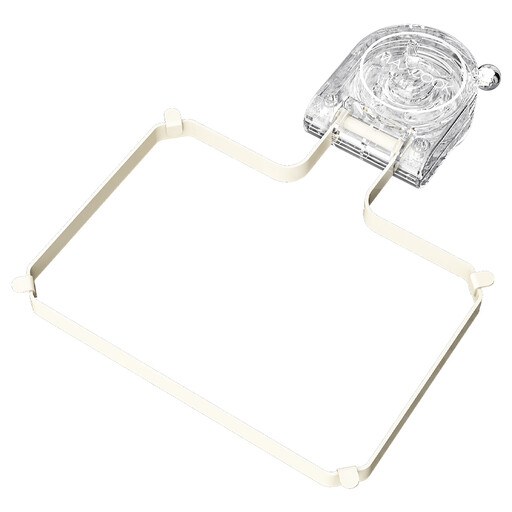
Why it suits this need: The suction-cup design is a good option if you’re looking for a space-saving addition right by the sink and don’t want to install anything permanently.
The fixing method is clear. Before use, check that the surface is smooth, clean and suitable for suction cups.
White finish, suction-cup fixing and a pack size of 50 according to the product name.
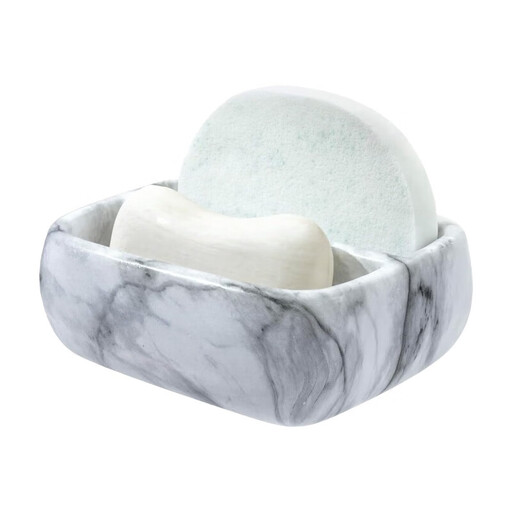
Why it suits this need: This compact sink sponge holder complements a dish rack when you want to keep sponges, scourers or small kitchen utensils separate from your dishes.
Two separate compartments stop different cleaning tools from being left loose on the worktop or taking up room in the dish rack.
Resin construction, two compartments, feet and dimensions of approximately 13.7 × 11.4 × 5.1 cm.
For the sink area, the Set of 2 Stainless Steel Sink Grids may also be useful as an additional accessory. According to the product details, each of the two strainers has a diameter of 7 cm, so be sure to check the size against your existing drain.
We’ve put together a complete, regularly updated list of products that meet these strict selection criteria and fully comply with the safety regulations in force in the EU.
Measure the available space, leaving a little room to load the rack. Compact models with a cutlery basket are a good choice for small kitchens. Don’t just consider the space it takes up on the worktop: check the height beneath wall cabinets and the distance from the tap too.
Its lifespan depends on the materials, construction, how heavily it’s used and how well it’s cared for. Regularly remove any standing water, clean hard-to-reach areas and follow the manufacturer’s care instructions. Keep an eye on damaged coatings on metal models and avoid letting moisture build up.
That depends on your sink and how you like to keep things organised. A sponge holder gives cleaning tools their own space. A well-fitting kitchen sink strainer can catch food scraps. Both can be particularly useful if your dish rack isn’t designed to hold small kitchen utensils too.