
Lieferung heute & morgen

Qualitätsgarantie

Willkommens-Angebote freischalten: KOSTENLOSE Lieferung | Bis zu 80 % RABATT | Kostenlose 30-Tage-JoyPlus-Testphase
App herunterladen
A soggy sponge on the countertop, puddles of water next to the sink, and a wobbly stack of dishes threatening to topple over—a disorganized kitchen can quickly sour the joy of cooking. A functional kitchen dish rack is a cornerstone of an orderly and efficient space. However, the market is flooded with models whose flaws only become apparent through daily use. As your Joybuy Product Recommendation Officer, I'm here to help you identify the common pitfalls and make a well-informed decision.
Many products promise more than they deliver. Watch out for these three widespread flaws to avoid a bad investment:
To make the right choice, focus on objective criteria rather than marketing promises. The following three aspects are crucial for longevity and functionality.
The choice of material directly impacts how long your kitchen organizer remains presentable and hygienic.
A good dish rack not only holds dishes but also keeps your countertop dry.
The size and layout must match your household and available space.
Instead of a one-size-fits-all recommendation, we present models tailored to specific user profiles.

Why This Fits Their Persona: Ideal for users seeking a durable, straightforward, and hygienic solution. The design focuses on the essentials: sturdy material and effective water drainage without unnecessary complexity.
The solid stainless steel frame prevents rust. The rotating spout drains water directly into the sink, preventing stagnant water and limescale buildup.
Integrated structure with no assembly required; stable, heavy-duty construction for daily use.
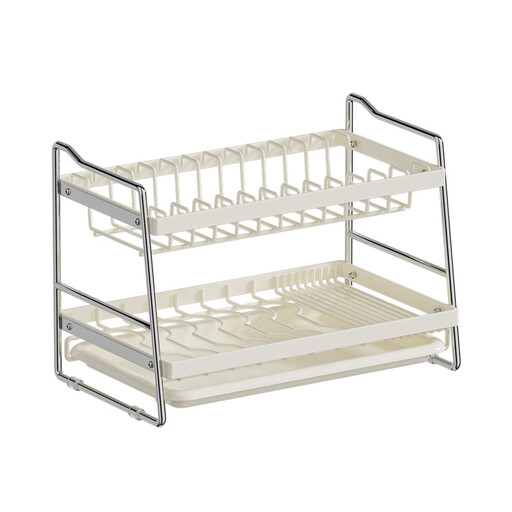
Why This Fits Their Persona: Perfect for families, shared apartments, or anyone with limited counter space. This model utilizes vertical height to accommodate a large amount of dishware without blocking valuable workspace.
The stable, well-thought-out construction ensures that the top tier can also be loaded safely. Integrated drainboards effectively channel water away, preventing wetness on the countertop.
Maximum capacity on a minimal footprint; versatile compartments for plates, cups, and cutlery.
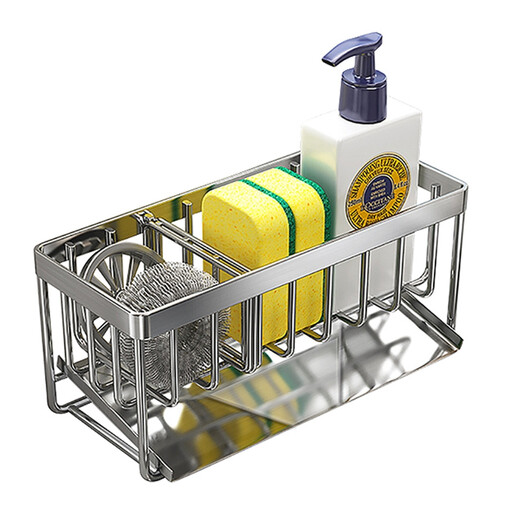
Why This Fits Their Persona: For those who primarily use a dishwasher but need a clean, organized solution for their sponge, brush, and dish soap right at the sink's edge.
This product solves the problem of wet sponges and stray brushes. Made from 304 stainless steel, it is rust-resistant and durable. The design ensures good ventilation for quick drying.
Compact all-in-one solution with an integrated soap dispenser; keeps the sink area tidy and hygienic.
A well-organized workspace is the key to a functional kitchen. Discover more thoughtful solutions designed to help you maintain order and make the most of your space.
1. How do you properly clean a stainless steel dish rack? For regular cleaning, warm water and a mild dish soap are sufficient. For limescale buildup, a solution of water and vinegar can help. Wipe the rack dry afterward to prevent water spots. Do not use abrasive sponges or harsh cleaners that could scratch the surface.
2. How can I avoid water spots on my countertop, even with a dish rack? Choose a model with effective, direct drainage into the sink. If you are using a model with a drip tray, empty and dry it daily. Also, ensure the rack is not overloaded, which could cause water to drip over the edge.
3. Is a two-tier dish rack stable enough for heavy plates? With high-quality models featuring a sturdy frame and a solid base, stability is assured. For balance, heavy items like large plates and pots should always be placed on the lower level. Before purchasing, check the manufacturer's weight specifications and the material thickness.