
Lieferung heute & morgen

Qualitätsgarantie

Willkommens-Angebote freischalten: KOSTENLOSE Lieferung | Bis zu 80 % RABATT | Kostenlose 30-Tage-JoyPlus-Testphase
App herunterladen
Buying new kitchen equipment can be an investment in your joy of cooking and household organisation. However, the market is flooded with products whose marketing promises don't hold up in daily use. A wobbly handle, a coating that peels after just a few months, or a plastic container that absorbs odours—such annoyances are avoidable. As your Joybuy Product Recommendation Officer, I'll help you identify the key features that separate durable products from short-lived ones.
This guide focuses on the most common pitfalls and shows you which objective criteria to look for when making your selection.
Before deciding on a product, it's helpful to know the typical weaknesses that often only become apparent after the purchase.
To avoid these pitfalls, you should base your purchasing decision on verifiable product features. Focus on material, construction, and functionality.
The choice of material is fundamental to the longevity and hygiene of your kitchen equipment.
A good product is distinguished by its thoughtful details.
Based on these objective criteria, we have selected a few products that are suitable for different needs and households.

Why it's a great fit: Ideal for households that want to implement clean and efficient waste separation directly in the kitchen. The two compartments allow for easy separation of recyclables and general waste, simplifying daily routines.
Addresses the weakness of poor mechanisms with a soft-close lid and pedal operation. This prevents loud slamming and ensures durable, hygienic use.
The removable inner buckets made of PP plastic with handles make emptying and cleaning much easier. The steel outer body is robust and easy to maintain.
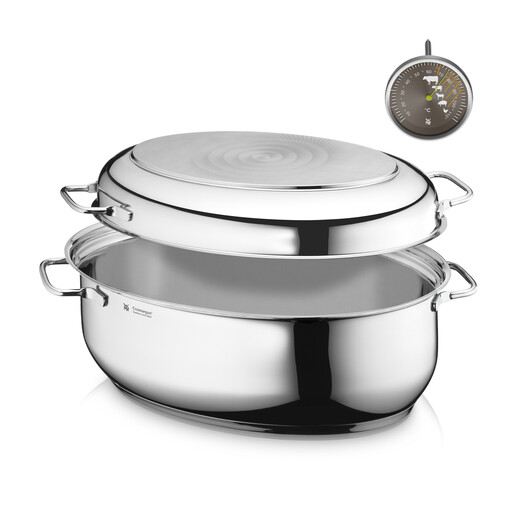
Why it's a great fit: For home chefs who value precise results and versatile cookware. This roaster is suitable for searing on the hob and braising in the oven.
Sidesteps the issue of poor induction performance with the TransTherm universal base. This ensures even heat distribution. The Cromargan 18/10 stainless steel material is extremely durable.
The metal lid is multifunctional and can be used separately as a serving pan. Both the roaster and the lid are oven-safe up to 250°C and feature the energy-saving base.
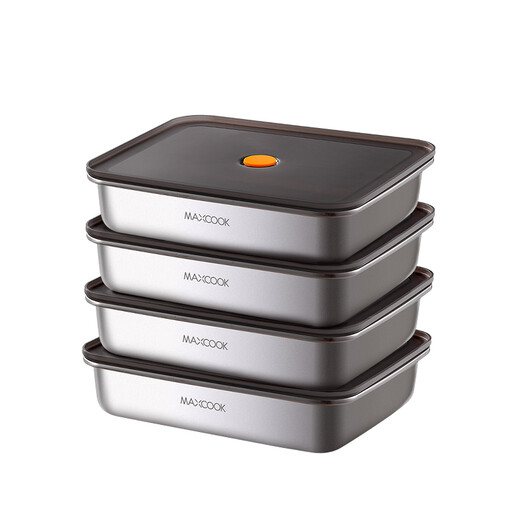
Why it's a great fit: Perfect for meal prep, storing leftovers, or organising dry goods. A hygienic and durable alternative to plastic containers.
Solves the problem of staining and odours common with plastic containers. The 316L stainless steel used is food-grade, doesn't leach chemicals, and is resistant to stains and corrosion.
The containers are dishwasher- and freezer-safe, making them extremely versatile and easy to clean. The well-sealing lids help preserve the freshness of the food.
Especially with pots, roasters, and containers, a well-constructed lid is crucial for functionality. If you are specifically looking for options with robust metal lids, you can find a wider selection here.
We have compiled a comprehensive, up-to-date list of products that fully meet these strict selection criteria and applicable regulations.
1. How can I identify truly durable kitchen equipment? Pay attention to the material (e.g., 18/10 or 316L stainless steel), the handle construction (riveted instead of screwed), and the base construction for cookware. A heavier weight is often, but not always, an indicator of more solid materials. Product descriptions that provide precise material specifications are more trustworthy than vague marketing terms.
2. Is more expensive cookware always better? Not necessarily. The price should reflect the material quality and functional features. An expensive pot with an unsuitable base or a short-lived coating is a poor investment. Instead, compare objective features like material type, base construction (e.g., sandwich or capsule base), and heat resistance. A solid stainless steel cookware set can be more cost-effective in the long run than repeatedly buying cheaper, less durable products.
3. How do I properly care for stainless steel products to make them last? Stainless steel is very low-maintenance. Most products are dishwasher-safe. For manual cleaning, warm water, washing-up liquid, and a soft cloth are sufficient. Avoid steel wool or abrasive cleaners, as they can scratch the surface. For limescale spots or bluish discolouration (a harmless effect that can occur when heated), a splash of vinegar or lemon juice in the washing water will help.