
Lieferung heute & morgen

Qualitätsgarantie

Willkommens-Angebote freischalten: KOSTENLOSE Lieferung | Bis zu 80 % RABATT | Kostenlose 30-Tage-JoyPlus-Testphase
App herunterladen
Choosing the right kitchen equipment can be a challenge. Whether you're setting up a whole new kitchen or replacing individual appliances, the market is filled with tempting offers and technical promises. But not every innovation is a genuine step forward. As your Joybuy Product Recommendation Officer, I'll help you navigate the marketing noise and make informed decisions that will pay off in the long run.
Before we turn to the key parameters, let's look at three common traps that often lead to disappointment and unnecessary expense.
To avoid these traps, focus on objective criteria that determine the true value of an appliance.
Don't just look at the energy efficiency class on the EU label; also check the specific consumption (kWh/year or kWh/cycle). Energy-efficient kitchen appliances not only lower your electricity bill but also protect the environment. For high-power devices like a cooker with a ceramic hob, the power rating (in kW) is crucial. Check if your home's electrical system is designed for the specified power to avoid overload.
The longevity of a kitchen appliance largely depends on the materials used. Stainless steel is popular, but there are differences in quality. High-quality stainless steel is more resistant to rust and easier to clean. For maintaining such surfaces, a special stainless steel pot cleaner is often the best solution to avoid scratches. For hobs, a ceramic hob offers a smooth, easy-to-clean surface compared to traditional cast iron plates.
Instead of looking for a jack-of-all-trades device that does everything mediocrely, consider which specific tasks you want to simplify. A food waste disposer can be a clean and practical solution for reducing organic waste, especially in households without a compost bin. For health-conscious and busy people, a compact portable soy milk maker or a mini blender can offer more value than a large, bulky food processor.
Here are some product recommendations tailored to specific user profiles that take the above criteria into account.
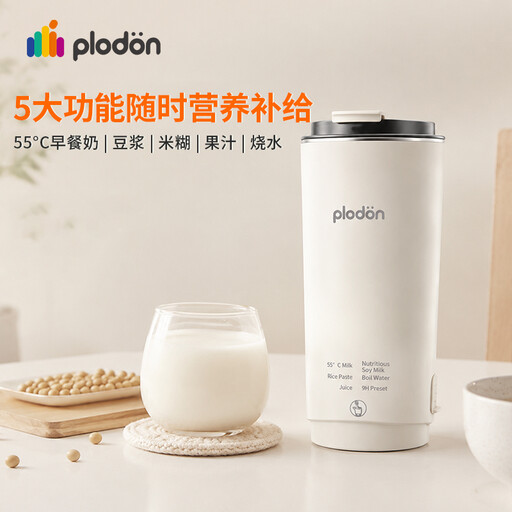
Why This Fits Their Persona: Ideal for quick, healthy drinks at the office or while travelling. The preset function allows you to start the morning with a ready-made breakfast, saving valuable time.
This device is highly specialised, avoiding the trap of overloaded features. It performs its core tasks (blending, heating) efficiently, and the self-cleaning function directly addresses the cleaning effort.
9-hour preset for morning meals; automatic cleaning function; compact design for mobile use.
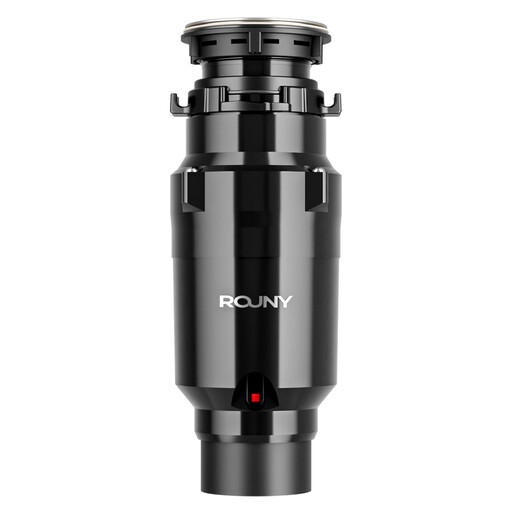
Why This Fits Their Persona: Reduces the volume of kitchen waste, leading to less rubbish and a cleaner kitchen. A practical solution for households that value sustainability and hygiene.
This device solves a specific problem (waste management) and is not a superfluous gadget. The quick-mount system is designed for standard sinks, avoiding compatibility issues.
DC permanent magnet motor for lower energy consumption; stainless steel grinding system for durability; low-noise operation (≤50 dB).
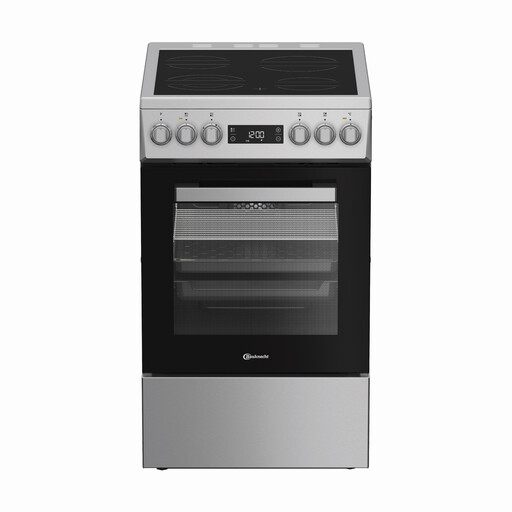
Why This Fits Their Persona: A solid all-rounder that delivers reliable cooking and baking results. The 8 oven functions cover all common needs without overwhelming the user with unnecessary options.
The hydrolysis function is a practical, energy-saving cleaning aid, not a marketing gimmick. At 50 cm wide, the cooker fits into standard kitchen niches, thus avoiding costly modifications.
Hydrolysis cleaning function for easy maintenance; Energy Efficiency Class A; 4-point residual heat indicator for added safety.
Proper care is crucial for the longevity of your kitchen equipment. Especially for stainless steel appliances and pots, the right cleaner helps maintain their value.
For the optimal care of your kitchen appliances, we have compiled a list of products that meet strict selection criteria.
The most important indicator is the EU energy label. Pay attention to the class (A is a good standard in many appliance categories) and compare the stated annual consumption in kilowatt-hours (kWh). For ovens, consumption is specified per cycle for both conventional and fan-assisted modes, which allows for a direct comparison.
Both make cleaning the oven easier, but they work differently. Hydrolysis uses steam at lower temperatures (around 100°C) to soften dirt. Afterwards, the interior must be wiped down. This method is energy-saving. Pyrolysis heats the oven to very high temperatures (over 400°C), incinerating food residues into ash that can be simply swept out. Pyrolysis is more thorough but consumes significantly more energy.
Installation requires basic plumbing knowledge. The unit is mounted directly under the sink on the drain. It is essential to follow the manufacturer's instructions precisely and ensure the installation complies with local regulations. To guarantee safety and proper function, professional installation is often recommended.