
Lieferung heute & morgen

Qualitätsgarantie

Willkommens-Angebote freischalten: KOSTENLOSE Lieferung | Bis zu 80 % RABATT | Kostenlose 30-Tage-JoyPlus-Testphase
App herunterladen
Buying the right kitchen equipment can be a challenge. The market is flooded with tempting offers, but not every shiny knife or multi-functional gadget lives up to its promise. As your Joybuy Product Recommendation Officer, I'm here to help you separate marketing hype from genuine functionality and make informed decisions. In this guide, we'll focus on the most common pitfalls and the crucial criteria that truly matter.
Before you invest, it's important to understand the typical problems that often only become apparent after a few weeks of use.
To avoid these traps, focus on verifiable facts. Here are the most important parameters to check before buying kitchen equipment.
A knife's performance is largely determined by its steel. Pay attention to the exact steel designation. Stainless steel is a broad category; specific alloys offer different advantages in terms of hardness, edge retention, and corrosion resistance.
With an electric meat grinder, wattage isn't the only thing that matters. A robust motor with high torque and solid metal gears are more important for longevity and the ability to process even tough meat. Pay attention to the included accessories: multiple grinding plates (fine, medium, coarse) and an attachment like a sausage stuffer significantly expand its functionality, turning the appliance into a versatile kitchen assistant.
The handle is the interface between you and the tool. Materials like plastic (e.g., polypropylene) are hygienic and easy to clean. Wooden handles offer a comfortable grip but require more maintenance and are usually not dishwasher-safe. For a cutlery set, the 18/10 stainless steel designation is a mark of quality, indicating a high proportion of chromium (18%) and nickel (10%) which ensures high corrosion resistance. Even kitchen decor should not only look good but also be made from durable and low-maintenance materials.
Here are some product recommendations tailored to specific user profiles that meet the criteria mentioned above.

Why it's a match: This set provides a solid foundational toolkit for all essential cutting and peeling tasks in the kitchen. It's ideal for those looking for a reliable starter kit without getting lost in individual purchases.
It avoids the "overloaded budget set" trap by offering a curated selection of genuinely useful tools (including a Santoku and bread knife) from an established manufacturer. It prioritises quality over quantity.
The ergonomic plastic handles are hygienic and provide a secure grip. The stainless steel blades are known for their durability and easy maintenance.
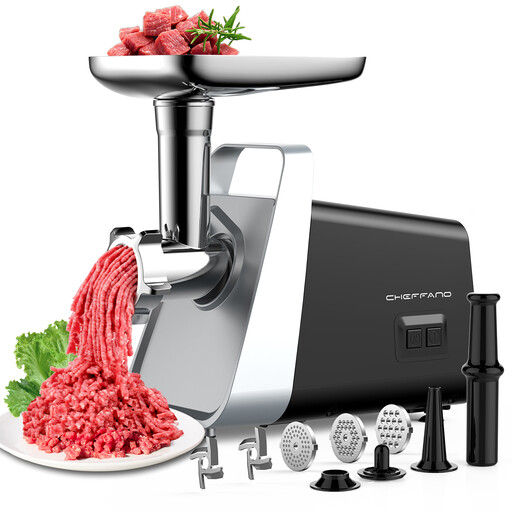
Why it's a match: Ideal for home cooks and butchers who want to make fresh minced meat, burger patties, or their own sausages. This appliance gives you complete control over ingredients and freshness.
Instead of just focusing on high wattage, this model is designed for heavy-duty home use. It comes with specific, useful accessories, including three grinding plates and a sausage stuffer attachment.
Versatility is its biggest asset. With the various attachments, you can not only grind meat but also stuff sausages and even prepare kibbeh.
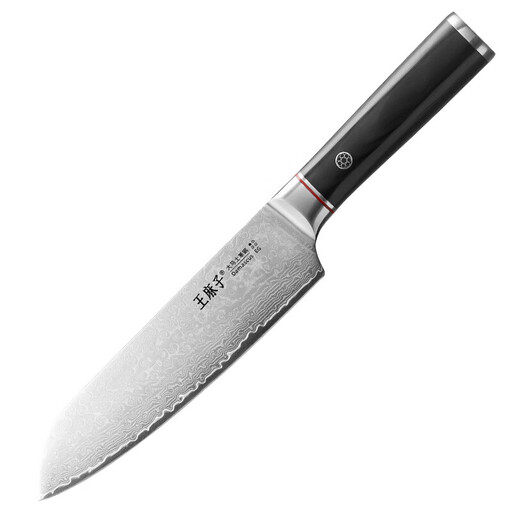
Why it's a match: For ambitious home cooks seeking a central, high-performance tool for precise cutting tasks. The Santoku format is extremely versatile for vegetables, meat, and fish.
This knife avoids the trap of vague material claims with its specific mention of Damascus steel. This isn't just a marketing term but refers to a specific manufacturing technique that ensures a sharp and durable blade.
The Damascus steel blade offers exceptional sharpness and edge retention. The characteristic pattern also makes each knife a visual one-of-a-kind.
If you're specifically looking for cutting tools, we've compiled a complete, up-to-date list of products that meet these strict selection criteria.
You can identify a good kitchen knife by three main features: the blade steel (look for specific alloy designations), ergonomics (the knife should feel comfortable and balanced in your hand), and craftsmanship (there should be no gaps between the blade and handle where dirt can collect).
Proper care is crucial for longevity. Always wash knives by hand immediately after use, especially after cutting acidic foods. Never use the dishwasher, as harsh detergents and high temperatures can damage both the blade and the handle (especially wooden ones). For cutting, boards made of wood or plastic are ideal; avoid surfaces like stone, glass, or ceramic, as they will quickly dull the blade.
For those who value freshness, quality, and knowing exactly what's in their food, an electric meat grinder is a worthwhile investment. You can control the fat content, avoid preservatives, and mix meat varieties as you please. Modern devices are often compact and highly versatile, thanks to accessories like a sausage stuffer.