
Lieferung heute & morgen

Qualitätsgarantie

Willkommens-Angebote freischalten: KOSTENLOSE Lieferung | Bis zu 80 % RABATT | Kostenlose 30-Tage-JoyPlus-Testphase
App herunterladen
Purchasing new kitchen equipment can be a significant investment. Often, exaggerated marketing claims and vague product descriptions lead to purchases that quickly prove to be impractical or low-quality. This guide will help you identify the crucial features and avoid common pitfalls, so you can choose functional, long-lasting products for your kitchen.
Before we dive into the key parameters, let's look at three common issues that often lead to disappointment:
To make an informed decision, you should focus on objective and verifiable characteristics. The following three aspects are central to the quality and functionality of your kitchen equipment.
The material is the primary determinant of a piece of cookware's heat conduction, robustness, and safety.
Not every cookware set is suitable for every type of cooktop. The most important distinction is its suitability for induction hobs.
Practical details determine whether you will enjoy using a product frequently.
Here are some product suggestions tailored to specific needs and lifestyles.
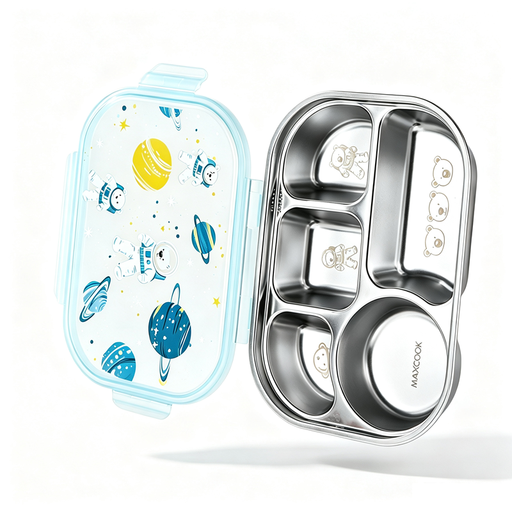
Why it's a match: Ideal for preparing and transporting varied meals to the office or on the go. The compartments keep components separate and fresh.
Uses high-grade 316 stainless steel, which is corrosion-resistant, hygienic, and odour-neutral—unlike inferior metal or plastic boxes that can stain or rust.
Five separate compartments for an organised meal. Durable and easy-to-clean material for daily use.

Why it's a match: A solid foundational set for discerning cooks who value even cooking results and durable materials. The set covers the most essential cooking applications.
The tri-ply construction (stainless steel-aluminium-stainless steel) ensures excellent heat distribution and prevents warping, a common problem with thin-walled pots.
Comprehensive set with a wok, pot, and pan made from high-quality 304/316 stainless steel. Glass lids allow for visual monitoring while cooking.
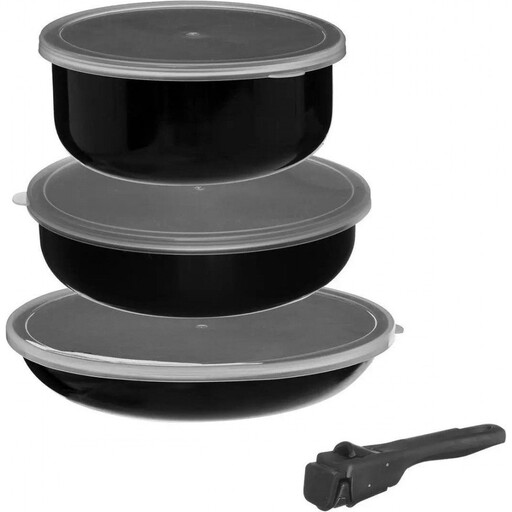
Why it's a match: Perfect for small kitchens, RVs, or camping where every inch counts. The pots can be nested inside each other and the handle stored separately.
Solves the problem of bulky, fixed handles. The removable handle provides maximum flexibility for storage and use on the cooktop without getting in the way.
Extremely space-saving design. Compatible with all cooktop types, including induction, making it highly versatile.
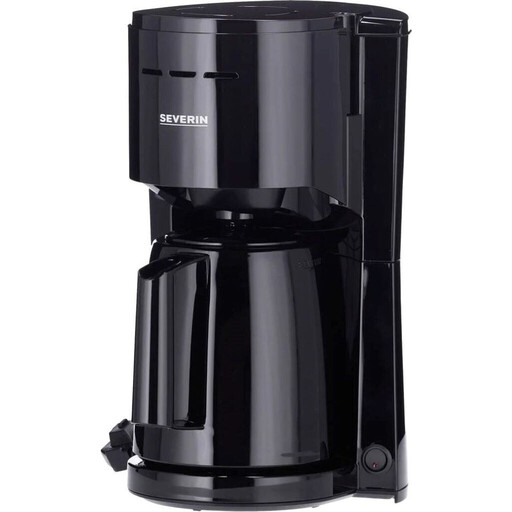
Why it's a match: For anyone who wants to enjoy hot, aromatic coffee for several hours without it losing quality. Ideal for the home office or family breakfasts.
The thermo jug maintains the temperature without stewing the coffee on a hot plate. This prevents the coffee from turning bitter—a typical drawback of machines with glass carafes.
Long-lasting hot coffee with consistent flavour. The automatic shut-off feature provides added safety and energy efficiency.
We've compiled a complete, up-to-date list of products that fully meet these strict selection criteria and safety standards.
1. How can I tell if my cookware is suitable for induction? The easiest way is to look for the induction symbol (a coil in a square) on the product packaging or the bottom of the cookware. Alternatively, you can hold a magnet to the base. If the magnet sticks, the cookware is ferromagnetic and therefore suitable for induction cooktops.
2. What is the difference between 304 and 316 stainless steel in kitchen utensils? Both are high-quality, food-safe grades of stainless steel. 304 stainless steel (often referred to as 18/8 or 18/10) is the most common standard and offers good corrosion resistance. 316 stainless steel also contains molybdenum, which significantly increases its resistance to salts, acids, and chlorides. It is therefore an excellent choice for products that frequently come into contact with heavily seasoned or salty foods, such as a stainless steel bento box.
3. How do I properly care for coated pots and pans to extend their lifespan? Avoid using metal utensils; instead, opt for kitchen tools made of wood, silicone, or plastic. Clean the pan by hand with a soft sponge and mild washing-up liquid, as harsh detergents and high temperatures in the dishwasher can damage the coating. Also, avoid extreme temperature shocks, such as rinsing a hot pan with cold water.