
Lieferung heute & morgen

Qualitätsgarantie

Willkommens-Angebote freischalten: KOSTENLOSE Lieferung | Bis zu 80 % RABATT | Kostenlose 30-Tage-JoyPlus-Testphase
App herunterladen
Choosing the right kitchen equipment is a decision that impacts your daily life for years. However, the market is flooded with products whose advertised features don't always deliver on their promises. Often, the most seemingly innovative features are the first to cause premature wear or complicated repairs. This guide will help you establish objective criteria for your purchasing decisions and avoid common pitfalls.
Before diving into specific products, it's wise to understand three common issues that often lead to dissatisfaction:
To make an informed decision, you should prioritise a few core technical parameters. These are the key determinants of the functionality and durability of your kitchen equipment.
The right choice of dishwasher depends on your available space and household size.
Regardless of the type, the noise level (in dB), water consumption per cycle, and the presence of an integrated water softening system are decisive criteria.
The kitchen sink is one of the most frequently used areas in the kitchen. Its material and installation type are therefore of central importance.
Instead of making a blanket recommendation, we have identified products tailored to specific user profiles that purposefully avoid the pitfalls mentioned.
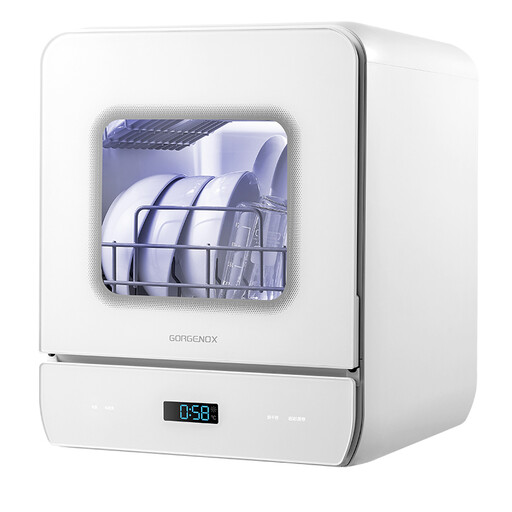
Why it's a great fit: Perfect for renters, small apartments, or camper vans, as it can be operated via an integrated 5-litre tank or a permanent water connection. It requires no complex installation.
Directly addresses the issue of water hardness with an integrated water softening system that uses dishwasher salt. This protects the appliance and ensures spot-free dishes.
Offers a 4-in-1 system (wash, disinfect, dry, store) and a special "Baby Care" programme, making it particularly useful for families with young children.
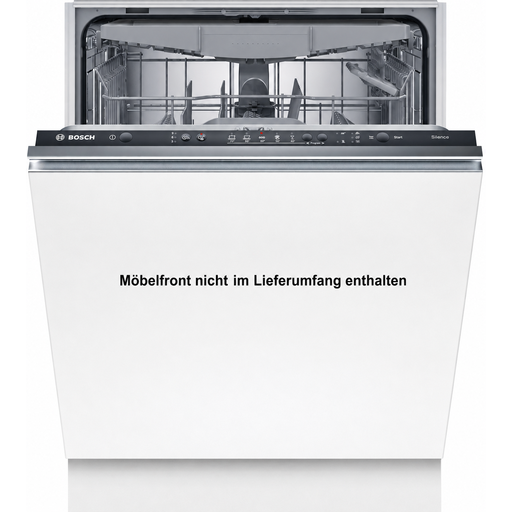
Why it's a great fit: As a fully integrated model, it disappears behind your kitchen cabinetry for a harmonious overall look. With a capacity of 13 place settings, it is designed for families and demanding households.
Focuses on proven core technologies like the EcoSilence Drive motor for quiet operation and the AquaStop system for water damage protection, rather than short-lived gimmicks.
The RackMatic system allows the top basket's height to be adjusted in three stages, offering maximum flexibility when loading large pots or long-stemmed glasses.
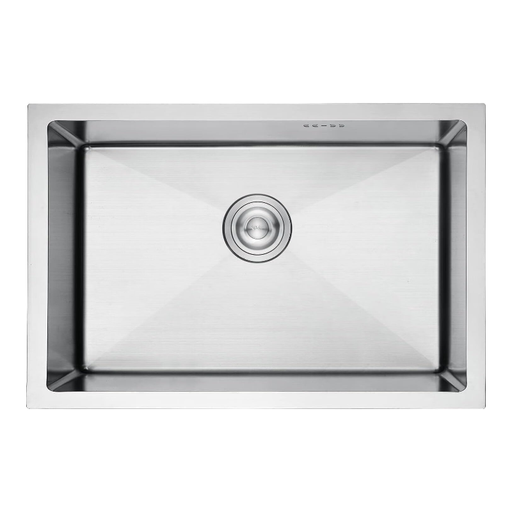
Why it's a great fit: A functional and durable sink for anyone renovating a kitchen or replacing an old unit. The flexible installation method (undermount or inset) adapts to various worktops.
Deliberately avoids complex electronics or failure-prone extra features. Instead, the focus is on durable stainless steel construction and a thoughtful X-flume design for rapid water drainage.
The generous 19 cm depth makes it easy to wash large pots and pans, while the brushed finish is more resistant to minor scratches.
A well-planned kitchen is an investment in your daily life. If you're looking for more sinks selected on the basis of material quality and functional design, you can find a relevant overview here.
1. What's more important in a dishwasher: energy efficiency class or water consumption? Both figures are relevant. The energy efficiency class (e.g., B or D) provides a standardised indication of annual consumption. However, the water consumption per cycle (in litres) is a more direct indicator of running costs, especially with frequent use. Modern appliances often feature eco-programmes and load sensors that save both water and energy.
2. How do I care for a black composite sink to prevent limescale stains? The best method is prevention. Wipe the sink dry with a soft cloth after each use. For regular cleaning, use mild, pH-neutral cleaners. Avoid aggressive abrasive powders or acidic cleaners, as they can damage the surface. For stubborn limescale deposits, diluted vinegar or citric acid solutions can help, but should only be left to act for a short time.
3. Is a countertop dishwasher worthwhile for a one-person household? Yes, for many one-person households, a countertop dishwasher is a sensible purchase. It typically uses less water and energy than washing small amounts by hand under running water. Furthermore, it saves time and ensures better hygiene thanks to higher washing temperatures.