
Lieferung heute & morgen

Qualitätsgarantie

Willkommens-Angebote freischalten: KOSTENLOSE Lieferung | Bis zu 80 % RABATT | Kostenlose 30-Tage-JoyPlus-Testphase
App herunterladen
A well-organised and clean kitchen is the foundation of any household. But choosing the right kitchen gadgets can quickly become overwhelming. Often, these supposed helpers turn out to be short-lived products that cause more frustration than function. As your Joybuy Product Recommendation Officer, I will filter the essential information for you, so you can make informed decisions and avoid common purchasing pitfalls.
Before you invest in new kitchen accessories, you should be aware of two common problems that lead to unnecessary expense and disappointment:
To avoid these problems, you should focus on two core parameters. These will help you objectively evaluate a product's durability and functionality.
Choosing the right material is crucial for the performance and lifespan of your towels.
For organisers like a dish drying rack or a holder for dish sponges, two aspects are key:
Here is a selection of products tailored to specific needs and user profiles.
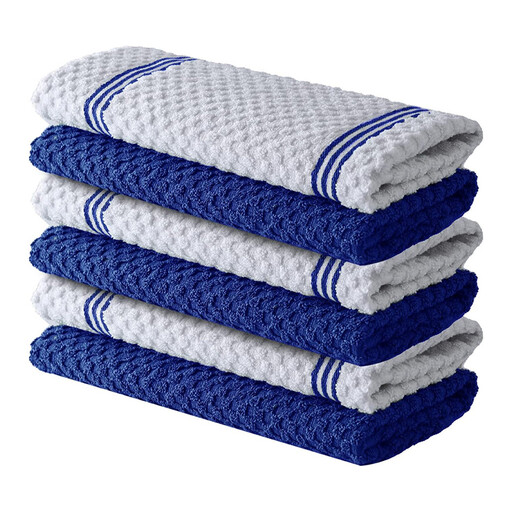
Why It's a Great Fit: This dish towel set offers excellent value for money for families and first-time homeowners. The multi-pack ensures a clean towel is always on hand, reducing the need for constant repurchasing.
Described as durable and quick-drying, these towels counter the problem of functional decline. The lint-free material prevents streaks and ensures consistent cleaning performance.
Bulk pack for a long-lasting supply; reusable and machine-washable for cost-effective use.
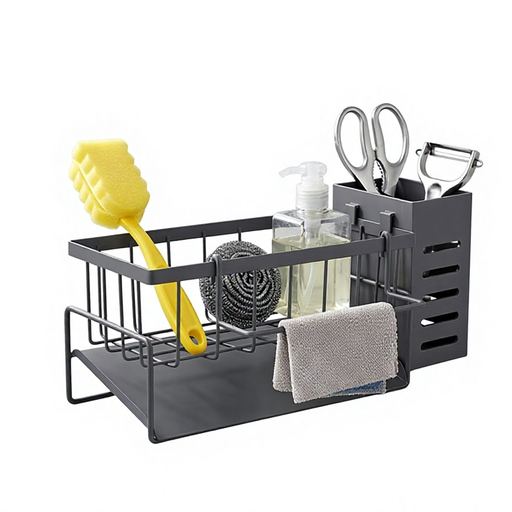
Why It's a Great Fit: Ideal for anyone aiming for a tidy and efficient sink area. This organiser bundles your sponge, brush, and dishcloth in one place, creating a clear structure on your work surface.
The design with a hollow base for drainage directly addresses the problem of unhygienic water pooling. Utensils dry faster, which reduces the growth of bacteria and odours.
Combination of rust-resistant metal and plastic for durability; thoughtful design with separate compartments for different utensils.
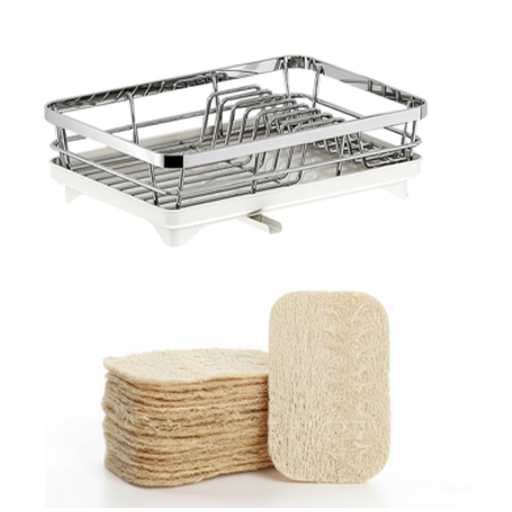
Why It's a Great Fit: This set is a thoughtful solution for eco-conscious households. The loofah sponges are a plastic-free alternative to conventional dish sponges and are fully biodegradable.
It avoids the trap of single-use plastic products that create waste. The 30-pack of compostable sponges reduces waste and the need for frequent repurchasing. The durable stainless steel dish rack complements the sustainable approach.
100% biodegradable and compostable loofah sponges; reduces household plastic consumption and combines this with a robust, rust-proof dish rack.
We have compiled a complete, up-to-date list of products that fully meet these strict selection criteria and applicable safety regulations.
From a hygiene perspective, it is recommended to change dishcloths and sponges every one to two days, or to wash them daily at a minimum of 60°C or disinfect them in the microwave (only for completely wet cloths without metal parts). A daily change is the safest method to minimise the build-up of germs.
Yes, high-quality and clean microfibre towels are very well-suited for high-gloss surfaces. Their fine fibre structure picks up dust and fingerprints without causing scratches. However, it is crucial that the cloth is absolutely clean, as trapped dirt particles could damage the delicate surface.
Reusable cleaning cloths are more cost-effective and environmentally friendly in the long run. While paper towels are a single-use product that must be constantly repurchased and creates waste, absorbent kitchen towels made of microfibre or cotton can be washed and reused hundreds of times. They also often provide better cleaning performance on tougher messes.