
Lieferung heute & morgen

Qualitätsgarantie

Willkommens-Angebote freischalten: KOSTENLOSE Lieferung | Bis zu 80 % RABATT | Kostenlose 30-Tage-JoyPlus-Testphase
App herunterladen
Choosing the right cutlery and kitchen gadgets is crucial for functionality and enjoyment in any kitchen. But the market is flooded with products whose quality is difficult to assess. Often, shiny marketing promises lead to disappointment when new cutlery starts to rust after a short time or an expensive knife loses its edge. This guide will help you recognise the typical pitfalls and make an informed decision.
Before you invest, you should be aware of the most common issues that can lead to a bad purchase. A conscious choice not only saves you money but also daily frustration.
To avoid these pitfalls, focus on verifiable facts and technical specifications. Three parameters are central to the longevity and functionality of your kitchen tools.
For a durable stainless steel cutlery set, the material composition is key. Look for the 18/10 stainless steel label. This indicates that the steel is composed of 18% chromium and 10% nickel.
For knives, the carbon content of the blade steel is crucial for edge retention and sharpness. A Japanese chef's knife, such as a Santoku knife, is often crafted from high-carbon steels, which allows for an extremely sharp edge but also requires more meticulous care.
How a product is made reveals a lot about its durability.
Consider how the products will fit into your daily life.
Here are some product recommendations tailored to different needs and user profiles.
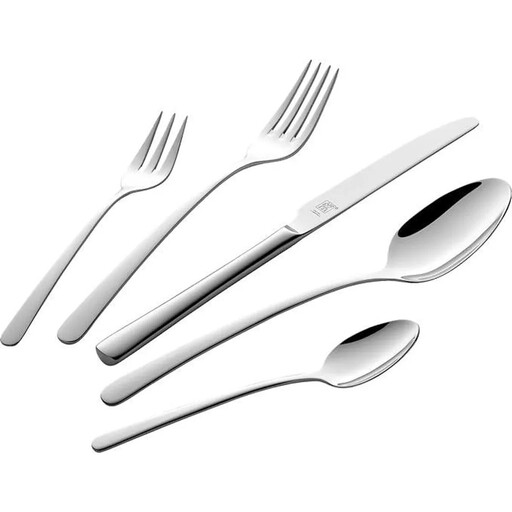
Why it's a good fit: Ideal for households that value durability and a timeless design for everyday use. The ZWILLING brand is renowned in Germany for reliable quality and thoughtful ergonomics.
This set avoids the low-grade material trap by using 18/10 stainless steel, ensuring high corrosion resistance and longevity.
The ergonomic design ensures balanced weight distribution and comfortable handling. Additionally, the entire set is dishwasher-safe, simplifying daily cleanup.

Why it's a good fit: A comprehensive solution for anyone setting up a new kitchen. It covers the basic need for cutting tools and cooking utensils in one package.
Instead of being an overloaded set with useless items, it specifically combines the most important knives with heat-resistant silicone utensils, which are essential for modern non-stick pans.
The set offers a high degree of functionality and versatility. The silicone utensils are easy to clean and gentle on cookware, while the knives cover basic cutting tasks.
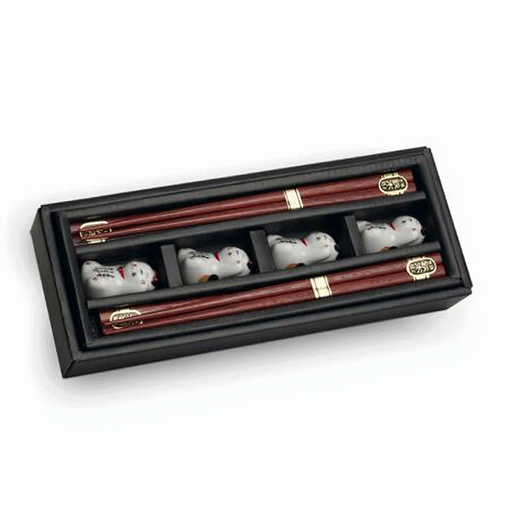
Why it's a good fit: This set is a charming and functional addition for anyone who enjoys Asian food or is looking for a stylish chopstick set as a gift. It combines traditional eating utensils with an appealing design.
This is not a generic, mass-produced item, but a thoughtfully designed set. The included chopstick rests (Maneki Neko design) are a practical detail often missing from cheaper sets.
The set comes in an attractive gift box, making it a ready-to-give and tasteful gift idea. The wooden chopsticks provide an authentic feel.
We have compiled a complete, up-to-date list of products that fully meet these strict selection criteria and German safety regulations.
1. How can I identify high-quality stainless steel cutlery at first glance? Look for the 18/10 stainless steel marking, which is often stamped on the back of the handles. Feel the weight—it should feel solid and balanced. Check the edges of forks and spoons; they should be smooth and rounded, with no sharp burrs.
2. Santoku knife or classic chef's knife—what's the difference? A classic chef's knife has a curved blade, which is well-suited for a rocking motion (e.g., when mincing herbs). A Santoku knife has a straighter blade with a rounded tip and is an all-rounder in Japanese cuisine, ideal for precise, straight cuts on vegetables, fish, and meat. Many Santoku knives also feature a granton edge (small indentations on the blade) that reduces food from sticking.
3. How do I properly care for knives with wooden handles? Knives with wooden handles should never be put in the dishwasher. The heat and harsh detergents will dry out the wood, making it brittle and potentially causing it to crack or separate from the steel. Clean the blade and handle by hand with warm water and a mild dish soap. Dry the knife thoroughly immediately. Occasionally, the wooden handle can be treated with a food-safe conditioning oil (e.g., camellia oil or linseed oil) to keep it supple.