
Lieferung heute & morgen

Qualitätsgarantie

Willkommens-Angebote freischalten: KOSTENLOSE Lieferung | Bis zu 80 % RABATT | Kostenlose 30-Tage-JoyPlus-Testphase
App herunterladen
Whether you run a household, enjoy home cooking or regularly host guests, kitchen gadgets should make everyday tasks easier, take up little space and work reliably. However, when choosing between kitchen accessories, cooking utensils and decorative kitchenware, it is not always immediately clear which features really matter.
Many disappointing purchases are not caused by a high price, but by unsuitable dimensions, difficult-to-clean designs or unclear material specifications. The following criteria can help you narrow down your choice of practical kitchen utensils objectively.
Multifunctional products may seem space-saving at first glance. However, if interchangeable parts are difficult to fit or hard to clean in less accessible areas, their supposed versatility can quickly become a disadvantage in everyday use. The key question is whether the functions suit the way you cook.
A vegetable slicer with several attachments can be useful for regular food preparation. However, if you mainly chop onions, garlic or small amounts of chilli, a more compact kitchen tool may be all you need.
Terms such as ‘robust’ or ‘high quality’ do not replace specific material information. With a cheese grater, for example, the type of stainless steel, handle design and stability are more important than a general marketing claim. For plastic products, buyers should check the stated material, cleaning instructions and intended use.
You should also not assume that an item is dishwasher-safe unless this is expressly stated.
A measuring jug with a capacity of 500 ml may be suitable for smaller kitchens, while a large serving spoon may not fit in a deep drawer. With an ice cube tray, it is not only the external dimensions that matter, but also whether it will sit flat and level in the freezer compartment.
Before buying, it is worth briefly checking your drawers, cupboards and worktops.
For kitchen gadgets used frequently, clear and verifiable material information is particularly important:
For products that come into contact with food, the product description should include information about intended use and applicable EU requirements. A general material description alone says nothing about whether the product is suitable for every temperature or type of food.
The size should suit your typical portion sizes and the kitchen space available. A 500 ml measuring jug is compact enough for many cooking and baking tasks, while larger quantities may require several measuring stages.
For a sushi mat measuring 24 × 24 cm, check whether it is suitable for standard nori sheets and the storage space available. An ice cube tray measuring 33.4 × 18.5 × 3.5 cm, on the other hand, requires a sufficiently wide, flat area in the freezer compartment.
Kitchen gadgets with narrow grooves, numerous individual parts or hard-to-reach gaps require more care. For everyday use, smooth surfaces and clear cleaning instructions are practical. Bamboo products should be dried thoroughly, while the manufacturer’s instructions remain decisive for dishwasher-safe items.
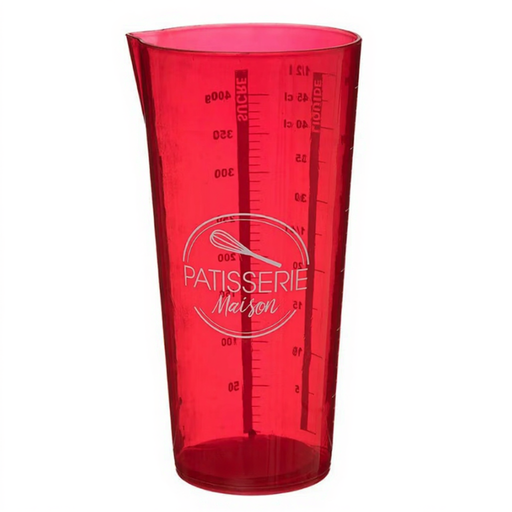
Why this product suits this profile: The 500 ml measuring jug is aimed at households looking for a compact kitchen utensil for cooking and baking. The handle and spout support controlled pouring.
The 500 ml capacity and stated dimensions of approximately 16.3 × 8.4 × 7.8 cm make the storage requirements clear. The product is supplied in various designs, so the version you receive may differ from the image.
Transparent PP, easy-to-read measurements and a practical pouring spout. The compact shape suits smaller kitchens.
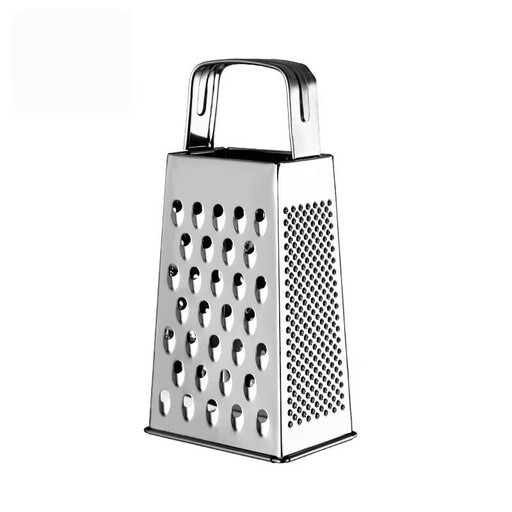
Why this product suits this profile: The four-sided box grater is appealing to users who want to process cheese, vegetables or other ingredients using different grating surfaces.
The design is clearly described as a four-sided stainless steel grater. Nevertheless, users should check the handle, base and how easy each surface is to clean before buying.
Several grating surfaces in one product and one-handed use according to the product description. Suitable for different ingredients and preparation tasks.
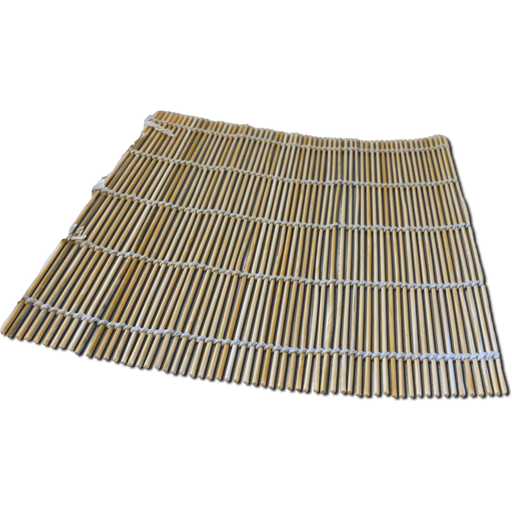
Why this product suits this profile: Sushi lovers and hosts get a traditional sushi accessory for rolling sushi, spring rolls and similar dishes.
The size of 24 × 24 cm, along with the bamboo and cotton binding, is clearly specified. After use, the mat should be cleaned and dried completely.
Flexible rolling tool for nori sheets and filled rolls. Manual operation requires no electricity and makes the mat easy to store.
We have put together a complete, regularly updated list of products that fully meet these strict selection criteria and the safety regulations applicable in the EU.
Depending on your needs, other products may also be useful:
For getting started, a few frequently used products are usually enough: a measuring jug, a grater, a chopping board, a serving spoon and a bottle opener. Additions such as an ice cube tray, sushi accessories or baking accessories should be chosen based on how you actually use them, so that drawers do not become filled with rarely used items.
Their lifespan depends on the material, level of use, cleaning and storage. Stainless steel products should be dried after washing, bamboo mats need to dry completely, and plastic products must not be used contrary to the stated temperature guidance. Visible cracks, sharp damage or loose connections are reasons to replace an item.
No. A higher price alone says little about how practical an item is for everyday use. More important are clear details about material, dimensions, capacity, cleaning and intended use. A simple product that can be used regularly and stored appropriately is often more practical than a fully equipped model with functions you never use.