
Lieferung heute & morgen

Qualitätsgarantie

Willkommens-Angebote freischalten: KOSTENLOSE Lieferung | Bis zu 80 % RABATT | Kostenlose 30-Tage-JoyPlus-Testphase
App herunterladen
If you want to buy kitchen gadgets online, you’ll find a wide range of juicers, tea makers and cleaning products. Product pages often list numerous features, but not all of them will be relevant to your household. What matters is clear information about materials, capacity, cleaning and safety features.
Whether you’re shopping for a private household, family kitchen, catering business or regular weekend cooking, a clear list of requirements can help you avoid unsuitable purchases.
An appliance with numerous programmes may sound versatile. In practice, however, it’s important that operation, cleaning and storage remain straightforward. With a slow juicer, for example, check how many individual parts need cleaning after juicing and whether a cleaning brush is included.
For a glass tea maker, the number of programmes, temperature settings and access to the inside are also important. A delay-start function is only useful if the controls are easy to understand and the appliance can be positioned safely.
Descriptions such as ‘stainless steel’ alone do not indicate what a product is suitable for. For stainless-steel pan scourers and stainless-steel sponges, it should be clearly stated whether the material is rust-resistant and which surfaces the product is designed for.
Metal scouring sponges can remove stubborn residue from durable metal surfaces, but they may scratch delicate coatings, glass, plastic, enamel or polished surfaces. Material specifications should therefore always be considered alongside the usage instructions.
A small container may be enough for one person, but could require frequent refilling for a family. Conversely, a larger appliance needs more space on the worktop and may be harder to store. Before buying, capacity, dimensions and weight should suit the space available and the way you typically use the product.
Kitchen appliances that are easy to clean are used more often in everyday life. Look for removable parts, a wide opening and clear cleaning instructions wherever possible. According to the product description, individual parts of the SEVERIN slow juicer can be cleaned with the supplied brush or in the dishwasher. The motor base, mains cable and plug must not come into contact with water.
With a glass tea maker, a removable tea strainer unit and a wide opening to the container make kitchen cleaning easier. Limescale should be removed regularly in accordance with the manufacturer’s instructions. ‘Dishwasher-safe’ generally applies only to components that are explicitly approved for this type of cleaning.
Wattage is a useful technical reference, but it is not the only measure of suitability. A cold-press juicer typically operates at a low speed and requires a suitable auger and appropriate filters. When buying, also consider the feed chute, container size and how well the appliance handles both soft and hard fruit and vegetables.
For a health kettle or multifunction tea maker, temperature settings and preset programmes are particularly important. According to the product description, the IAGREAA model offers 14 programmes, six temperature settings from 40 to 90 °C and a power rating of 800 watts. This information helps you assess the appliance, but does not replace reading the instruction manual.
A stainless-steel pan scourer is primarily suitable for robust materials such as uncoated stainless steel, cast iron or sturdy metal surfaces. According to the product information, it is not suitable for non-stick coatings, glass, plastic, enamel or polished surfaces.
If you’re unsure about a material, test the product on an inconspicuous area first. Use only light pressure and rinse the scourer thoroughly after every use. The fibres may have sharp edges, so storing the product in a dry, well-ventilated place helps maintain good hygiene.
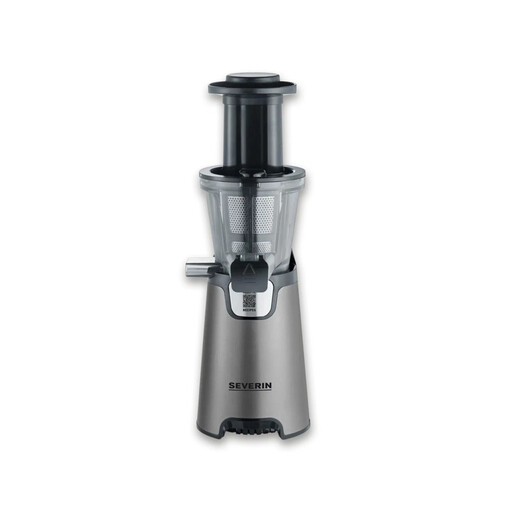
Why this product suits this profile: The 150-watt juicer processes soft and hard fruit and vegetables, and also offers additional applications for frozen fruit, sorbet, jam and passata.
The Easy-Clean concept, two filter inserts and a supplied brush make cleaning more straightforward than with appliances containing numerous hard-to-reach components.
1-litre juice container, drip stop, non-slip feet and dishwasher-safe individual parts according to the product description.
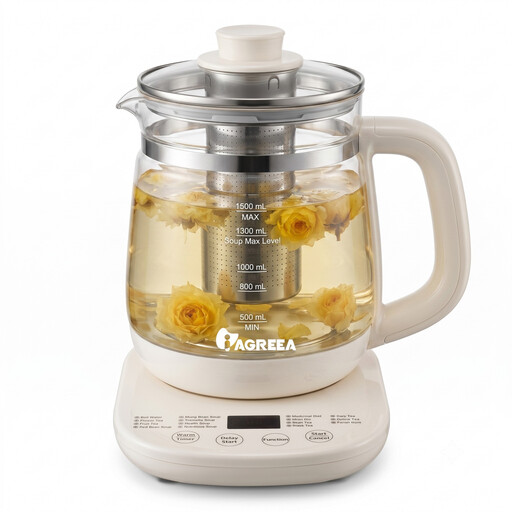
Why this product suits this profile: The borosilicate glass body, removable 304 stainless-steel tea filter and adjustable temperatures are well suited to households that regularly enjoy tea and hot drinks.
The wide opening and removable components make it easier to access the inside. Cleaning is not restricted to a narrow filling opening.
1.5-litre capacity, 800 watts, keep-warm function and timer according to the product description.
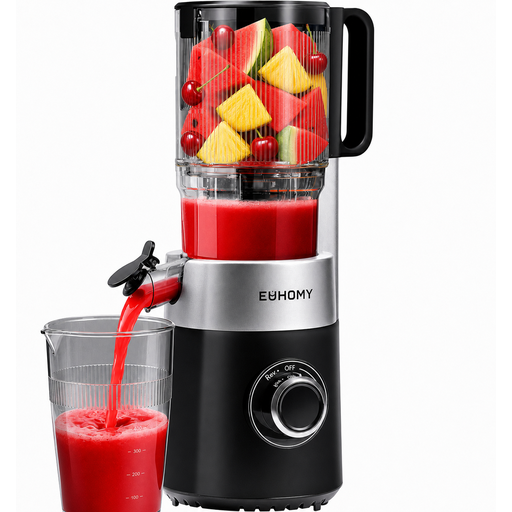
Why this product suits this profile: The 135-millimetre-wide feed chute and 1.8-litre capacity are designed for preparing larger quantities of fruit and vegetable juice.
The large feed chute reduces the need for frequent refilling. The supplier also states that the juicer has three-stage filtration and can be assembled in three steps.
220-watt motor, 1.8-litre capacity and two supplied glasses according to the product description.
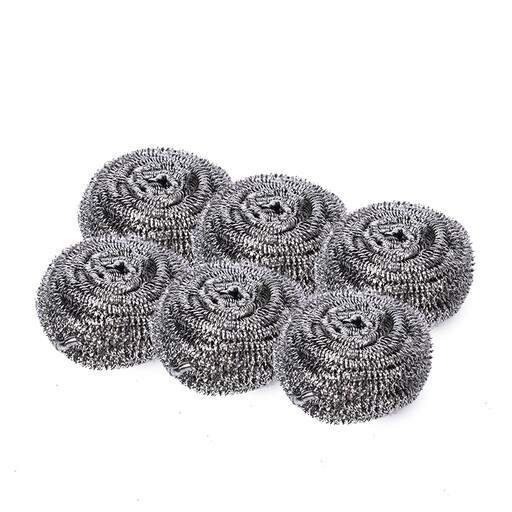
Why this product suits this profile: The six-piece set, with each scourer weighing 15 grams, is designed for frequent cleaning of robust metal surfaces, grill racks and cookware.
Its clearly defined purpose limits how it should be used: the scourer is not intended for non-stick coatings or delicate surfaces.
Rust-resistant stainless steel, six pads per pack and a dense spiral structure according to the product information.
We’ve compiled a complete, regularly updated list of products that fully meet these strict selection criteria and the safety regulations applicable in the EU.
For several people, a fruit and vegetable juicer with a container of at least around 1 litre and a glass tea maker holding approximately 1.5 litres are practical choices. What matters is whether the capacity meets your daily needs and whether the removable parts are easy to clean.
Running costs depend on the appliance’s power rating and how long it is used. As a guide: power in kilowatts × operating time in hours × electricity price per kilowatt-hour. An appliance rated at 800 watts uses 0.8 kilowatt-hours during one hour of operation. The actual cost depends on your individual electricity tariff and how long you use the appliance.
Their service life depends on how often they are used, the pressure applied, the type of dirt and how well they are dried. Replace the stainless-steel sponge if it becomes badly misshapen, loses fibres or can no longer be cleaned hygienically. For delicate surfaces, use a different cleaning product regardless of the scourer’s condition.