
Lieferung heute & morgen

Qualitätsgarantie

Willkommens-Angebote freischalten: KOSTENLOSE Lieferung | Bis zu 80 % RABATT | Kostenlose 30-Tage-JoyPlus-Testphase
App herunterladen
Kitchen glassware serves a range of purposes: it keeps food fresh, simplifies preparation, and presents drinks or desserts in an appealing way. When buying glassware, appearance is only one consideration. Capacity, closure, temperature resistance, cleaning requirements and the intended use are equally important.
A glass container may be suitable for use in the oven or microwave while the lid must be removed. According to the product information, the glass in LocknLock Boroseal containers is oven-safe up to 400°C, but only without the lid. Microwave use is subject to the same requirement. Overlooking this restriction can cause the lid to warp or expose the container to thermal shock.
Many storage jars look similar but use different types of closures. A decorative jar with a loose-fitting or basic lid is not automatically suitable for moisture-sensitive foods. For coffee, tea, biscuits or nuts, choose an airtight glass container with a suitable seal.
Glassware can be dishwasher-safe and still gradually lose its clarity when exposed to aggressive detergents or very high temperatures. Thin stems, decorative patterns and seals require particular care. Before buying, check whether every component—including the lid and silicone ring—is approved for dishwasher use.
Borosilicate glass is commonly used for heat-resistant glass containers. It is designed to withstand temperature changes, but it does not eliminate the need for careful handling. A container should not be placed directly from the freezer onto a very hot surface or rinsed with cold water while hot.
Standard soda-lime glass is well suited to drinking glasses, wine glasses and many storage jars used at room temperature. Crystal glass is often chosen for its clarity and light-reflecting effect. According to the product information, the Atmosphera Selenga wine glass is made from crystal glass and is dishwasher-safe, but not microwave-safe or intended as heat-resistant glass.
Choose the size according to the contents and the storage space available:
A larger capacity is not automatically more practical. In small refrigerators, rectangular, stackable glass containers can make better use of available space than round vessels.
For glass containers with lids, buyers should look for a silicone seal, a secure closure and wording such as “leak-proof” or “watertight”. According to the manufacturer’s information, LocknLock models feature four-sided locking and a silicone seal. For use in the oven, microwave or air fryer, the lid must be removed completely.
Jars intended for jam should also be checked to ensure that the lid fits securely before use. The 5five set contains six transparent jars, each with a capacity of 0.5 litres. According to the product description, they are suitable for jam, chutney, pickled vegetables or layered desserts. Whether a particular jar is suitable for hot filling should be confirmed in the relevant manufacturer’s specifications.
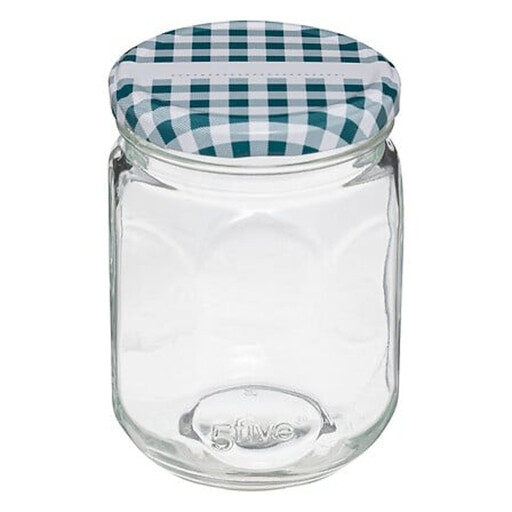
Why it is a good fit: Six identical jars provide a manageable starter collection for homemade spreads, pantry staples and small gifts.
The 0.5-litre capacity of each jar and the set quantity are clearly specified, making it easier to assess your needs before buying.
Six-piece set, transparent design and classic 0.5-litre format.
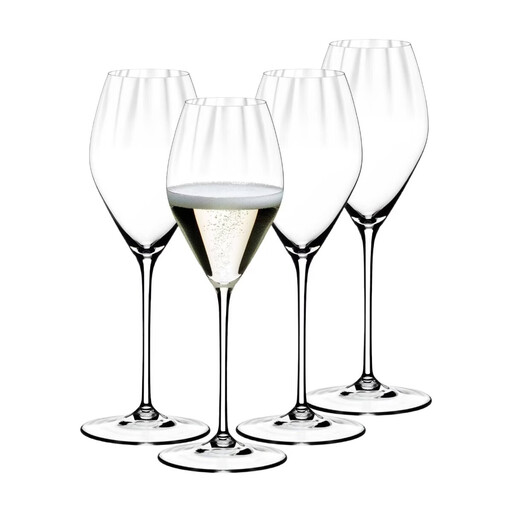
Why it is a good fit: Designed for hosts and wine enthusiasts looking for a coordinated set with a capacity of 375 ml.
The set includes four glasses and is dishwasher-safe according to the product information, so both the set size and care requirements are clear in advance.
Crystal glass, 375 ml per glass and a decorative effect on the inside of the bowl according to the product description.
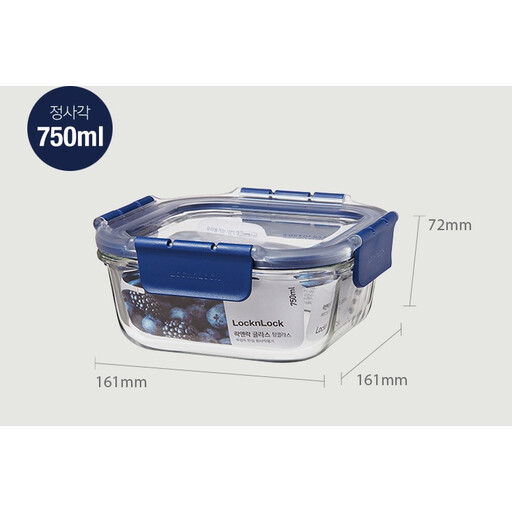
Why it is a good fit: For households that want to chill, freeze, reheat and store meals in a space-efficient way.
The specifications state a 750 ml capacity, four-sided locking and oven and microwave use—each without the lid.
Borosilicate glass, freezer-safe down to -20°C according to the specifications, stackable design and dishwasher-safe components.
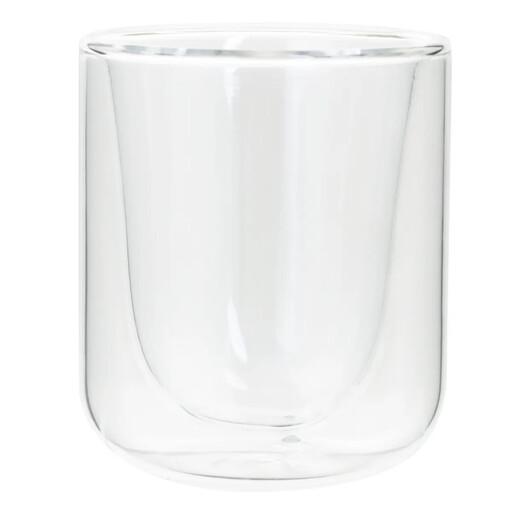
Why it is a good fit: For espresso, ristretto and small coffee specialities with a clearly visible crema.
The 8 cl capacity prevents a small espresso glass from being mistaken for a large coffee mug.
Double-walled borosilicate glass, dishwasher- and microwave-safe according to the product information.
Browse the complete selection for glassware in a range of sizes, applications and care requirements. Before buying, check the relevant product information regarding the material, closure and temperature range.
Only when the manufacturer expressly confirms it. For several borosilicate glass containers, microwave use is permitted only without the lid. Standard drinking glasses, wine glasses and storage jars that have not been specifically approved should not be used in the microwave.
Storage jars with a suitable airtight lid are ideal for flour, rice, tea, coffee or biscuits. According to the product description, the 700 ml Begonia glass is intended for dry foods. The lid should be dry before the jar is sealed to prevent additional moisture from becoming trapped inside.
Cold-brew glasses are often designed specifically for chilled coffee drinks and a particular serving size. The De’Longhi DLSC324 and DLSC325 models are each supplied as sets of two, with capacities of 220 and 300 ml respectively, and are dishwasher-safe. A standard drinking glass may be more versatile, but it does not necessarily offer the same shape or the ideal capacity for cold brew.