
Lieferung heute & morgen

Qualitätsgarantie

Willkommens-Angebote freischalten: KOSTENLOSE Lieferung | Bis zu 80 % RABATT | Kostenlose 30-Tage-JoyPlus-Testphase
App herunterladen
A well-organized kitchen, with food neatly arranged in transparent glass containers, is not only aesthetically pleasing but also highly practical. Glass is hygienic, doesn't absorb odours, and is a sustainable alternative to plastic. However, purchasing glassware comes with hidden pitfalls that can quickly lead to frustration and unnecessary expense. Before you invest, you should be aware of the most common weaknesses, which often only become apparent after a few weeks of use.
The 3 Most Common Problems with Glass Containers:
To avoid these pitfalls, it helps to focus on a few crucial technical parameters. These features determine the longevity, safety, and functionality of your kitchen glass containers.
The type of glass is fundamental to its intended use.
A good lid is just as important as the glass itself. The most reliable storage jars with lids feature a well-engineered locking system.
For maximum space efficiency, shape and design are critical. Square and rectangular containers make optimal use of the available space in cabinets and the refrigerator. Check whether the lids and bases are designed to allow multiple containers to be stacked securely on top of each other without slipping. A slightly raised edge on the lid can provide extra stability.
Based on these objective criteria, we have identified several products that are suited for specific profiles in the kitchen.
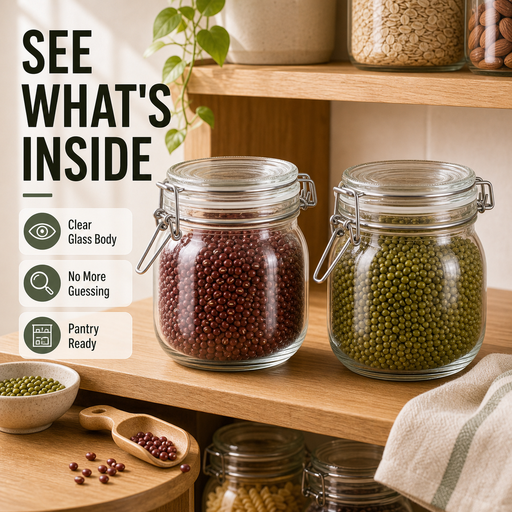
Why This Fits Their Persona: Ideal for systematically storing dry goods like rice, pasta, cereal, or nuts. The transparent design provides a quick overview of the contents and stock levels in the pantry.
The locking mechanism with stainless steel clips and a silicone gasket ensures a permanently tight and airtight fit, unlike simple press-on lids that loosen over time.
Made from borosilicate glass, which is odour and stain-resistant. The gasket is removable for cleaning.
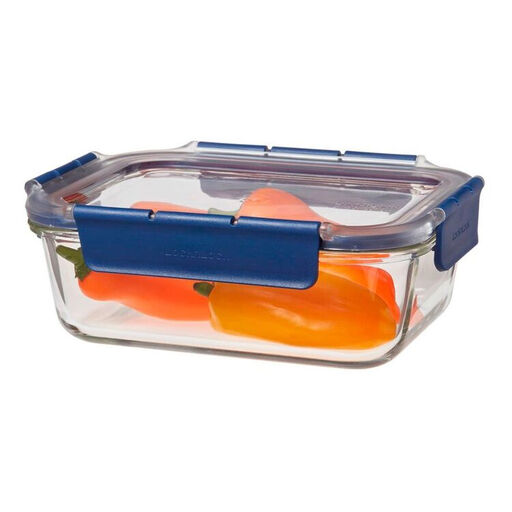
Why This Fits Their Persona: Perfect for anyone who wants to prep, cook, store, freeze, and reheat meals—all in a single container. Ideal for meal prep and storing leftovers.
The heat-resistant borosilicate glass (up to 400°C according to the manufacturer) prevents cracking during temperature changes and makes the container oven-safe (without the lid).
The four-sided locking lid ensures a reliable seal. The rectangular design and raised lid edge allow for stable, space-saving stacking.
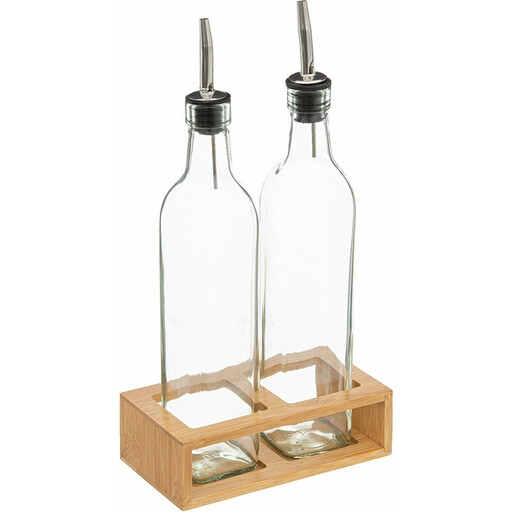
Why This Fits Their Persona: Combines functionality with an appealing aesthetic. This oil and vinegar dispenser is ideal for keeping high-quality oils and vinegars within reach and stylishly displayed on the countertop or dining table.
Offers a dedicated and clean solution instead of unwieldy original bottles. The stainless steel spouts allow for precise, drip-free pouring.
The set includes a matching bamboo stand that provides stability and adds a natural design element. The bottles are easy to refill.
We have compiled a complete, up-to-date list of products that fully meet these strict selection criteria and German safety regulations.
No, this is a common misconception. Only glass food storage containers explicitly marked as oven-safe should be used in the oven. These are typically products made from borosilicate glass. Soda-lime glass can shatter at the high temperatures in an oven or during rapid temperature changes. Always check the product description and the manufacturer's instructions. The lid must always be removed before use in the oven.
Lids made from natural materials like wood or bamboo require special care to ensure their longevity. They should never be cleaned in the dishwasher or soaked in water for extended periods, as this can cause them to warp or crack. Instead, clean them by hand with a damp cloth and a mild detergent. Dry the lid immediately and thoroughly before placing it back on the glass container.
An airtight glass container is defined by the interplay of its lid, gasket, and locking mechanism. A high-quality, flexible silicone gasket is crucial, as it conforms to the glass rim to create a barrier against air and moisture. A strong closure, such as a swing-top or locking clips, provides the necessary pressure for the gasket to perform its function fully. Without this pressure, even the best gasket cannot guarantee a reliable seal.