
Lieferung heute & morgen

Qualitätsgarantie

Willkommens-Angebote freischalten: KOSTENLOSE Lieferung | Bis zu 80 % RABATT | Kostenlose 30-Tage-JoyPlus-Testphase
App herunterladen
A tidy work surface and utensils within easy reach are the foundation of a relaxed cooking experience. However, overflowing drawers and cluttered countertops often lead to disorganisation and inefficiency. A kitchen hook rail is a simple and effective solution to create storage space and keep your most important tools always at hand. This article provides a practical guide to help you find the right organisation system for your kitchen that meets your needs for material, installation, and flexibility.
The decision for a specific model depends on your kitchen's layout and your personal needs. Three key criteria will help you make the right choice.
The installation method is a crucial factor, especially in rented apartments.
The material affects not only the look but also the durability and load-bearing capacity of the hook rail.
Always check the manufacturer's specifications for the maximum load to ensure the rail is suitable for its intended purpose.
The type and arrangement of the hooks determine how flexibly you can use your system.
Based on functionality and use cases, here are some products that can help you organise your kitchen.
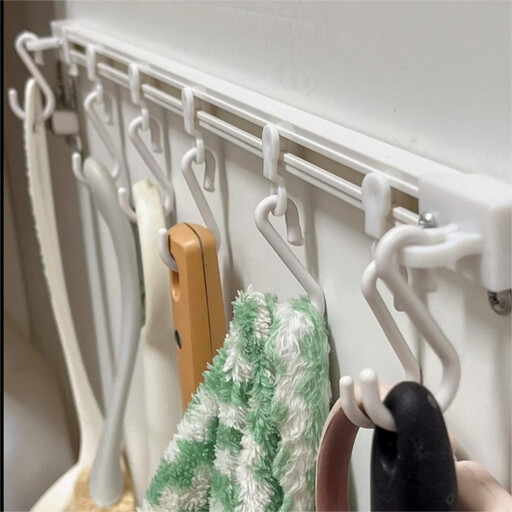
Why it stands out: This set combines various organisational methods in one package. It includes classic wall hooks for the kitchen, innovative sliding hooks for cabinet doors, and versatile S-hooks. This combination allows you to make optimal use of unused space on walls and cabinet doors.
Advantages:
Who is it for? This set is ideal for anyone looking for a comprehensive and flexible kitchen organisation solution. It is particularly well-suited for renters and owners of smaller kitchens, as it offers various ways to create storage space without extensive modifications.
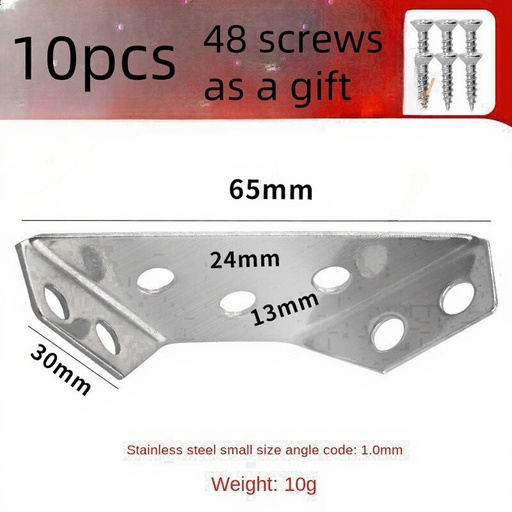
Why it stands out: This product is not a finished hook but a hardware component for building stable structures. It is used to create and reinforce 90-degree joints in furniture and shelves. For the DIY enthusiast, it provides the foundation for constructing a custom, heavy-duty storage system.
Advantages:
Who is it for? This product is aimed at DIY enthusiasts and individuals planning a custom, permanently installed storage solution. It is ideal for reinforcing kitchen cabinets or building a sturdy wall shelf to serve as the base for a comprehensive organisation system in the kitchen.
Hook rails are an excellent way to create order. Another method for optimising storage space lies within your cabinets. Functional hardware can significantly improve the accessibility and use of existing space.
If you are interested in making your cabinets more efficient from the inside out, you will find a selection of components in our kitchen cabinet hinges category to help you make better use of the space in your cupboards.
A no-drill kitchen rail is typically attached using strong, double-sided adhesive tape or a special mounting adhesive. Thoroughly clean and degrease the surface (e.g., tiles) before applying the rail. Press it firmly according to the manufacturer's instructions and wait for the recommended curing time before loading it with weight.
A hook rail can hold numerous kitchen utensils, including spatulas, whisks, soup ladles, measuring cups, small cutting boards, pot holders, and tea towels. With sturdy, drilled-in rails, you can also hang lighter pots and pans to save space in your cabinets.
The load capacity of an adhesive hook rail varies greatly depending on the manufacturer, the adhesive used, and the condition of the wall surface. The specifications often range from 2 to 5 kilograms. It is essential to follow the manufacturer's specific instructions and load limits to prevent it from falling. For heavy items, a drilled installation is recommended.