
Lieferung heute & morgen

Qualitätsgarantie

Willkommens-Angebote freischalten: KOSTENLOSE Lieferung | Bis zu 80 % RABATT | Kostenlose 30-Tage-JoyPlus-Testphase
App herunterladen
A good kitchen knife is the foundation of every great meal. Yet, the market is crowded and full of marketing promises that often do more to obscure than to clarify. Choosing the wrong knife not only leads to frustration while cutting but can also be an unnecessary expense. As your Joybuy Product Recommendation Officer, I'll help you identify the key features and avoid common purchasing traps.
Before we dive into the technical details, it's important to understand three common misconceptions that often lead to poor buying decisions.
To make an informed decision, you should understand and evaluate three core aspects of a knife.
The steel is the heart of every knife. Most sharp kitchen knives today are made of stainless steel. Pay attention to the exact steel designation, if provided. Steels like 40Cr13 offer a good balance of corrosion resistance and ease of sharpening. Brands like WMF often use their own proprietary, specially hardened steel alloys. A hardness rating of 55–58 HRC is an excellent compromise between edge retention and durability for most all-purpose knives, such as a chef's knife.
Not every knife is suitable for every task. The shape of the blade determines its function:
The handle is the interface between you and the blade. It must feel secure and comfortable in your hand. Wooden handles, such as those made from rosewood or acacia, offer a classic look and a warm feel but require more maintenance. Plastic or composite material handles are hygienic, durable, and often dishwasher-safe, although hand washing is always preferable for the blade. The shape of the handle should allow for fatigue-free use even during extended work, a critical criterion for professional knives.
Here are some product recommendations tailored to different needs and use cases.
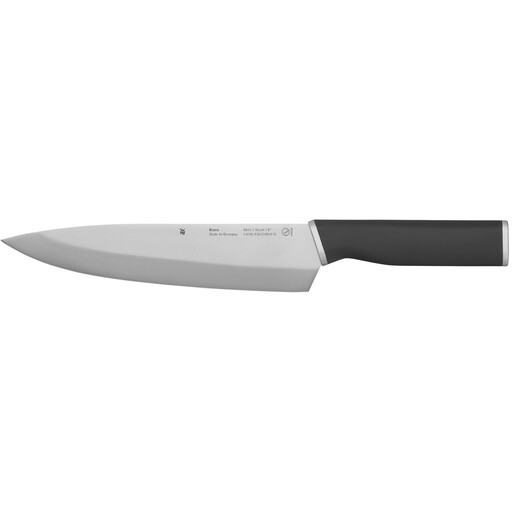
Why This Fits Their Persona: Ideal for cooks who value brand quality, durability, and a versatile tool. The 20 cm chef's knife is the perfect all-rounder for daily, demanding cutting tasks in the modern kitchen.
This knife relies on provable performance over visual gimmicks. The WMF-specified Performance Cut technology and specially hardened blade steel focus on long-lasting, measurable sharpness and balance.
Made in Germany: Crafted from corrosion-resistant, specially hardened blade steel. Ergonomic Design: The handle ensures a well-balanced feel and comfortable handling.
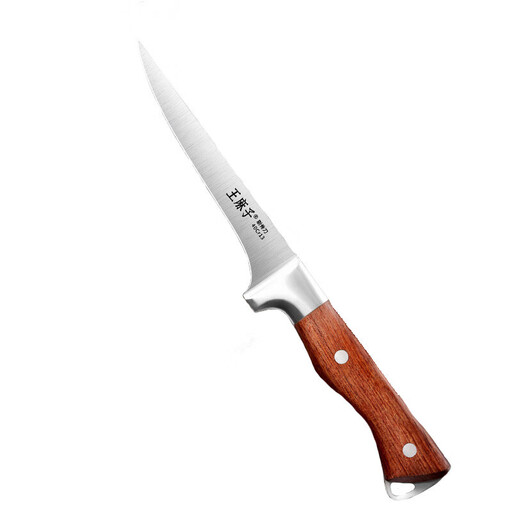
Why This Fits Their Persona: Designed for users who need a specialized tool for boning and breaking down meat. The narrow, sharp blade allows for precise work along the bone.
This boning knife focuses on a single function, optimizing its blade shape and material for that purpose. It doesn't try to be an all-rounder; instead, it delivers specialized performance for a demanding task.
40Cr13 Steel: Offers good edge retention while being robust enough for contact with bone. Rosewood Handle: Provides a secure grip and a classic aesthetic for a professional tool.
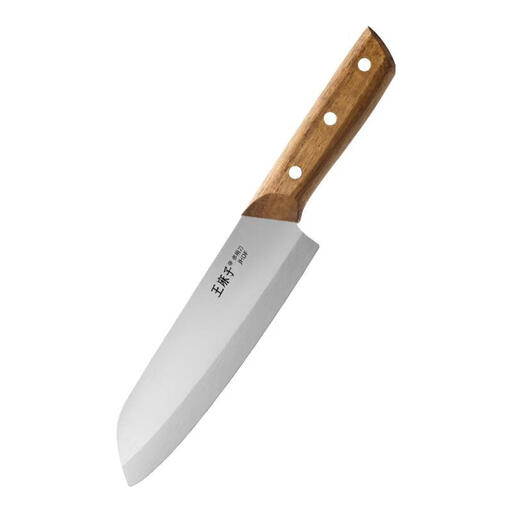
Why This Fits Their Persona: A versatile Santoku knife for daily use. It's ideal for users looking for a reliable, low-maintenance knife for slicing vegetables and meat without investing in an expensive specialty tool.
This knife focuses on fundamental functionality. It uses a proven 400-series stainless steel and a practical Santoku shape, offering high versatility without superfluous and costly design features.
Multi-purpose Blade Shape: Suitable for slicing, dicing, and chopping. Low-Maintenance Acacia Wood Handle: Offers a good grip and is durable with proper care.
We have compiled a full, up-to-date list of products that fully meet these strict selection criteria and all applicable safety regulations.
The frequency of sharpening depends heavily on usage, steel hardness, and the cutting surface. As a rule of thumb, the edge should be regularly maintained with a honing steel (e.g., before each intensive use). A fundamental re-sharpening with a whetstone or knife sharpener is required every few months to once a year, depending on use.
Authentic Damascus knives can combine high sharpness with a degree of flexibility by layering different types of steel. The main advantage often lies in the aesthetics and the craft tradition. For pure cutting performance in everyday use, a high-quality mono-steel knife, such as a WMF knife made from specially hardened steel, often offers a better price-to-performance ratio than a cheap knife with a Damascus look.
It is generally not recommended. The harsh detergents, high temperatures, and contact with other dishes can damage and dull the fine cutting edge. Handles made from natural materials like wood are especially vulnerable and can swell or crack. The gentlest and safest method to ensure the longevity of your sharp kitchen knives is to wash them by hand with warm water and mild soap.