
Lieferung heute & morgen

Qualitätsgarantie

Willkommens-Angebote freischalten: KOSTENLOSE Lieferung | Bis zu 80 % RABATT | Kostenlose 30-Tage-JoyPlus-Testphase
App herunterladen
A good kitchen knife is the cornerstone of any kitchen. But the market is crowded and full of marketing promises that often obscure more than they clarify. The wrong choice not only leads to frustration while cooking but can also be an unnecessary expense. As your Joybuy Product Recommendation Officer, I'll help you identify the crucial features and avoid the common pitfalls of buying a knife.
Before we dive into the key parameters, let's clear up the most common misconceptions that lead to poor purchasing decisions.
To find the right tool for your needs, you should examine three technical aspects.
The blade material determines its sharpness, edge retention, and maintenance requirements.
Each blade shape is optimized for a specific task. A basic set usually includes:
The handle is the connection between you and the blade. It must feel secure and comfortable in your hand. Handles made of synthetic materials (e.g., polypropylene or Fibrox on Victorinox knives) are hygienic, non-slip, and easy to clean. A seamless transition between the handle and the blade prevents dirt from accumulating and adds to the knife's stability.
Instead of making a one-size-fits-all recommendation, we have selected products for specific user profiles.
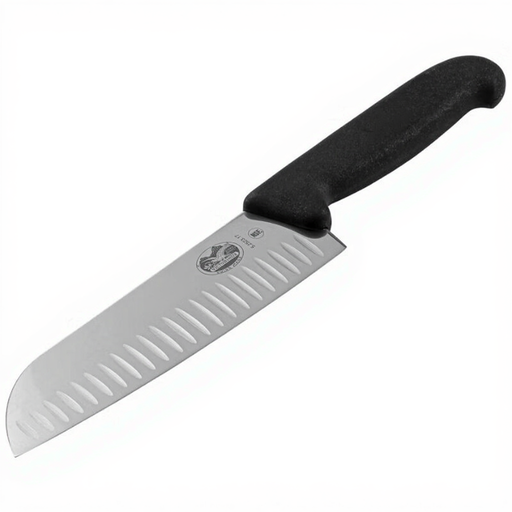
Why This Fits Their Persona: This knife is a reliable workhorse for daily kitchen tasks. It combines the versatility of a Santoku knife with an extremely low-maintenance and safe design, ideal for families and home cooks who value functionality.
It bypasses the "miracle steel" myth by relying on proven stainless steel and a functional, non-slip Fibrox handle, rather than on exaggerated marketing claims.
The Granton edge reduces food from sticking. The knife is dishwasher-safe and offers a high level of safety thanks to its ergonomic handle.
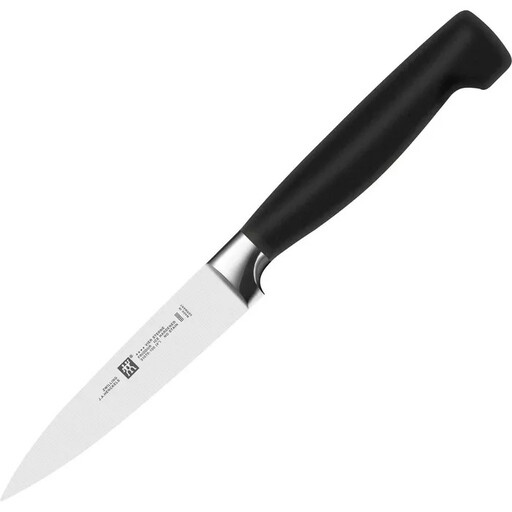
Why This Fits Their Persona: For cooks who seek precision, durability, and a renowned brand. This paring and garnishing knife from Zwilling is a precision tool known for its excellent craftsmanship and balance.
It avoids the unbalanced design trap. The SIGMAFORGE technology (forged from a single piece of steel) and the seamless transition to the handle ensure perfect balance and secure handling.
The ice-hardened FRIODUR blade offers exceptional edge retention and corrosion resistance. The ergonomic handle allows for fatigue-free work.
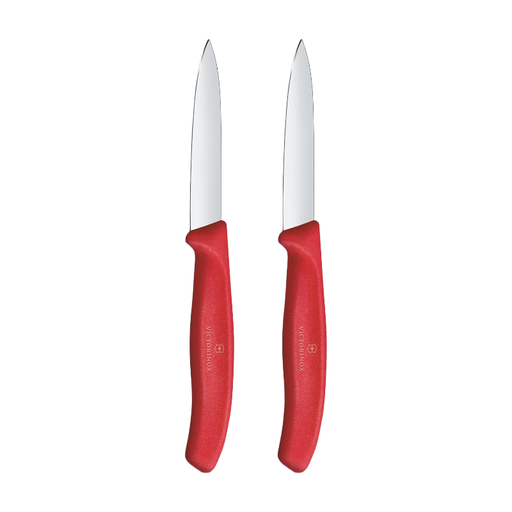
Why This Fits Their Persona: This set is ideal for anyone who needs precise tools for detail work like peeling, coring, and garnishing. It offers two specialized, lightweight knives for maximum control.
It counters the superfluous knife set trap by offering a focused, high-quality solution for a specific purpose, rather than a collection of mediocre all-purpose knives.
Swiss precision with extra-sharp, straight blades. The lightweight, ergonomic handles provide excellent control for delicate tasks and are also dishwasher-safe.
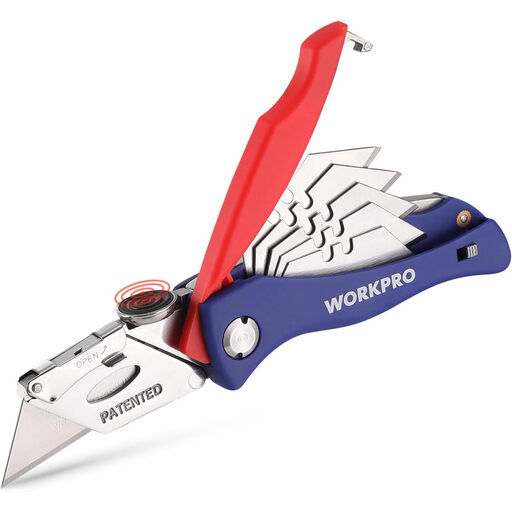
Why This Fits Their Persona: This robust and foldable utility knife is designed for craftsmen and DIY enthusiasts who need a reliable tool for demanding cutting jobs (carpet, PVC, cardboard).
It avoids the pitfall of unsafe and unstable utility knives. The lock-back safety mechanism securely locks the blade during use, and the stainless steel construction ensures durability.
Features a patented quick-change blade mechanism and integrated storage for 5 SK5 carbon steel replacement blades. The belt clip ensures easy transport.
We have compiled a complete, up-to-date list of products that fully meet these strict selection criteria and rigorous safety standards.
1. How often should you sharpen a kitchen knife? The frequency depends on usage and blade quality. For home use, it's recommended to hone the edge weekly with a honing steel (this doesn't sharpen, but realigns the fine edge). An actual resharpening, where material is removed, is only necessary once or twice a year, depending on the blade's condition.
2. What is the difference between a chef's knife and a Santoku knife? A chef's knife has a curved blade, which is ideal for a rocking-chop technique. A Santoku knife has a straighter edge and a sloped tip, making it particularly effective for drawing and pushing cuts. It is often lighter and shorter than a European chef's knife and is prized for precisely slicing vegetables, fish, and meat.
3. Are ceramic knives a good choice?Ceramic knives, like the Huohou Ceramic Knife Set, are a sensible addition to the kitchen. They are extremely hard, stay exceptionally sharp for a long time, and are taste-neutral. Their strength lies in cleanly slicing fruits and vegetables. However, due to their brittleness, they are unsuitable for hard materials like bones or frozen items and can be damaged if dropped. They don't replace a steel knife but rather complement it for specific tasks.